

EU Delays Plug-in Hybrid Emissions Rating Update
The European Commission said on Saturday it was postponing until 2030 a planned change to how the emissions of plug-in hybrid cars are rated. The move gives carmakers more time before tougher rules take effect.
The change was due to start on Sunday, November 29. It would have updated the “utility factor”, the official share of driving that a plug-in hybrid is assumed to do on electric power. That update will now not happen until January 1, 2030.
It also means official emissions figures for these cars will stay lower than real-world driving suggests for several more years.
What the Commission decided
The update had been due to start on November 29, 2026. The update was designed to better reflect real-world driving, which shows plug-in hybrids spend less of their time on electric power than official tests assume.
Under the proposal, the current utility factors will stay frozen. The freeze will apply only to plug-in hybrids with an electric range of at least 80 kilometres, about 50 miles. The change will apply from Sunday, November 29, even though the proposal still needs approval.
The Commission said in a statement: “The proposed amendments will provide a temporary short-term flexibility to vehicle manufacturers, providing them with the opportunity to invest in the improvement of such vehicles, and incentivising PHEVs with longer electric ranges as the ‘utility factors’ will only be frozen for vehicles having an electric range of at least 80 kilometres.”
What is a utility factor?
A plug-in hybrid has both a petrol engine and a battery that can be charged from a plug. The utility factor is the share of driving that officials assume the car does on electric power alone. The higher that share, the lower the car’s official CO2 figure.
That official figure matters. The figure sets the car’s official CO2 rating. A car that looks clean on paper can still burn more petrol on real roads.
The problem is the gap between the test and the road. Real-world data shows many plug-in hybrid drivers rarely plug in. When the battery runs flat, the petrol engine does the work, and the car’s real CO2 output rises.
Why the change matters for drivers
For drivers, the delay changes little in the short term. A plug-in hybrid bought today will still run the same way tomorrow. What changes is the paperwork behind it: the official figure stays as it is, rather than rising to match how the cars are really used.
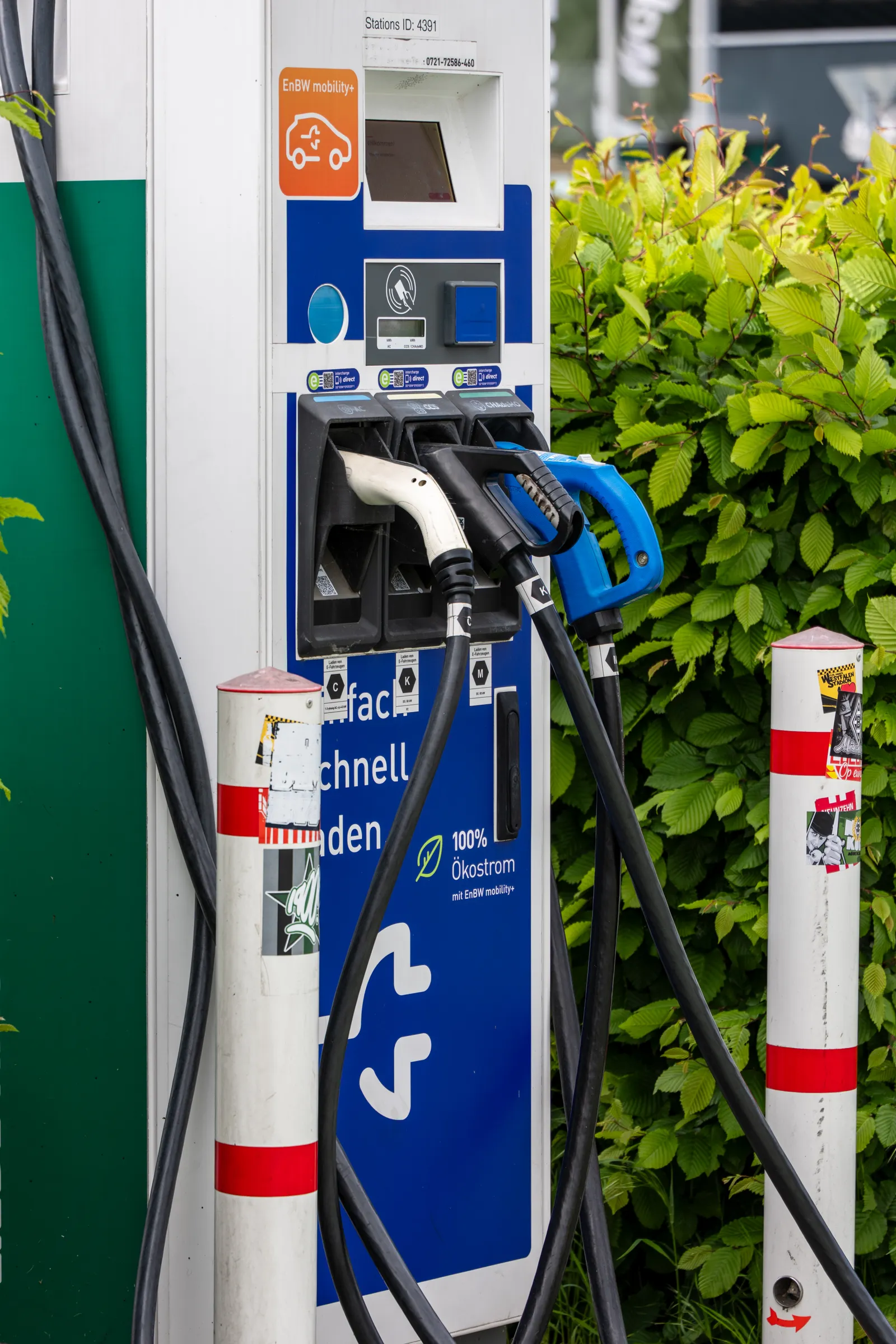
Buyers who want the promised savings need to look past the official figure. The car’s real electric range is the number that counts, along with how often the driver can charge at home or at work. A plug-in hybrid that is never charged is, in daily use, a heavy petrol car.
The 80-kilometre line is the key detail. Cars that can travel at least 80 kilometres on battery power alone keep the old, friendlier rating until 2030. Cars below that line are not covered by the freeze. The Commission says the line is meant to push carmakers toward longer electric ranges.
The decision is one more step in a busy year for EU car policy. The EU also set import quotas on hybrid cars this year, limiting how many Chinese-built hybrids can enter the market. Carmakers around the world are leaning more on hybrids as they work through tariffs and the slow shift to fully electric cars. Charging is moving fast too, and XPeng will speed up charging on its existing EVs with a software update.
What the delay means for the official figures
The utility factors are set under the WLTP type-approval procedure, the test that fixes a plug-in hybrid’s official CO2 figure. The Commission describes plug-in hybrids as a bridge technology on the road to zero-emission driving. Freezing the factors at their 2025 levels keeps the official figures where they are, rather than moving them closer to real-world driving.
The Commission is open about that trade-off. Its own release notes that CO2 figures measured at type approval differ from the real-world data it collects each year, and that postponing the update means that gap stays stable. The change would apply from November 29, 2026, to keep the method steady and give carmakers clear rules while the freeze lasts.
The next steps split in two. The change to the Euro 7 rules is an implementing act, which the Commission will adopt after the Technical Committee on Motor Vehicles gives its view. The change to the Euro 6 rules must first go to the European Parliament and the Council for scrutiny, and the Commission will only adopt it formally if that scrutiny allows it.
What happens next
The proposal is not final. The Commission will submit it to the European Parliament and the Council for scrutiny. Either side may raise objections. Until they have their say, carmakers cannot treat the delay as certain.

If the freeze goes ahead, the utility factor will be updated regularly from 2030, based on real-world performance of plug-in hybrids. The Commission says that will keep the ratings honest over time, once the delay ends.
For shoppers, the advice stays the same whatever Brussels decides. A close look at the leading compact hybrid SUVs shows how much electric range and charging habits change the real cost of running one. The cheapest car to run is the one that matches how its owner actually drives.
The delay gives carmakers breathing room, and it gives buyers of long-range plug-in hybrids a longer run of friendly official figures. The trade-off is plain: the gap between the test and the road will stay where it is until 2030. The next test will be whether drivers plug in more often, and whether the Parliament and member states accept the freeze at all.
Frequently Asked Questions
What did the EU decide on Saturday?
The European Commission proposed to postpone until January 1, 2030 an update to the utility factor used to rate plug-in hybrid emissions. The update had been due to start on November 29, 2026.
Which plug-in hybrids are covered by the freeze?
Only models with an electric range of at least 80 kilometres, about 50 miles. The freeze would apply from November 29, 2026.
Why was the update planned in the first place?
Because real-world driving shows plug-in hybrids use electric power less than official tests assume. The Commission’s own data shows a gap between type-approval CO2 figures and real-world driving.
Is the decision final?
No. The Commission must submit the proposal to the European Parliament and the Council for scrutiny, and either side may raise objections. If it goes ahead, the utility factor will be updated regularly from 2030 based on real-world driving data.


