

XPeng Will Lift 5C EVs to 6C Charging With a Software Update
XPeng will make its existing electric cars charge faster, with no new hardware. The Chinese carmaker will raise the peak charging rate of its 5C-equipped cars to 6C through a software update sent over the air.
The change cuts the time for a 10 percent to 80 percent charge from 12 minutes to 10.7 minutes on a compatible fast charger. That is a saving of 1 minute 18 seconds, or about 11 percent.
The plan was announced at XPeng’s AI Day in Guangzhou on November 25, by chairman and chief executive He Xiaopeng. The update will roll out in stages across all models with 5C batteries, including cars with lithium iron phosphate packs and cars with ternary lithium packs. XPeng has yet to publish a rollout schedule by model or market.
What the update changes
The C-rate is a simple idea. It measures how fast a battery charges, relative to its size. At 1C, an empty battery would fill in one hour. At 5C, it would fill in 12 minutes. At 6C, it would fill in 10 minutes.
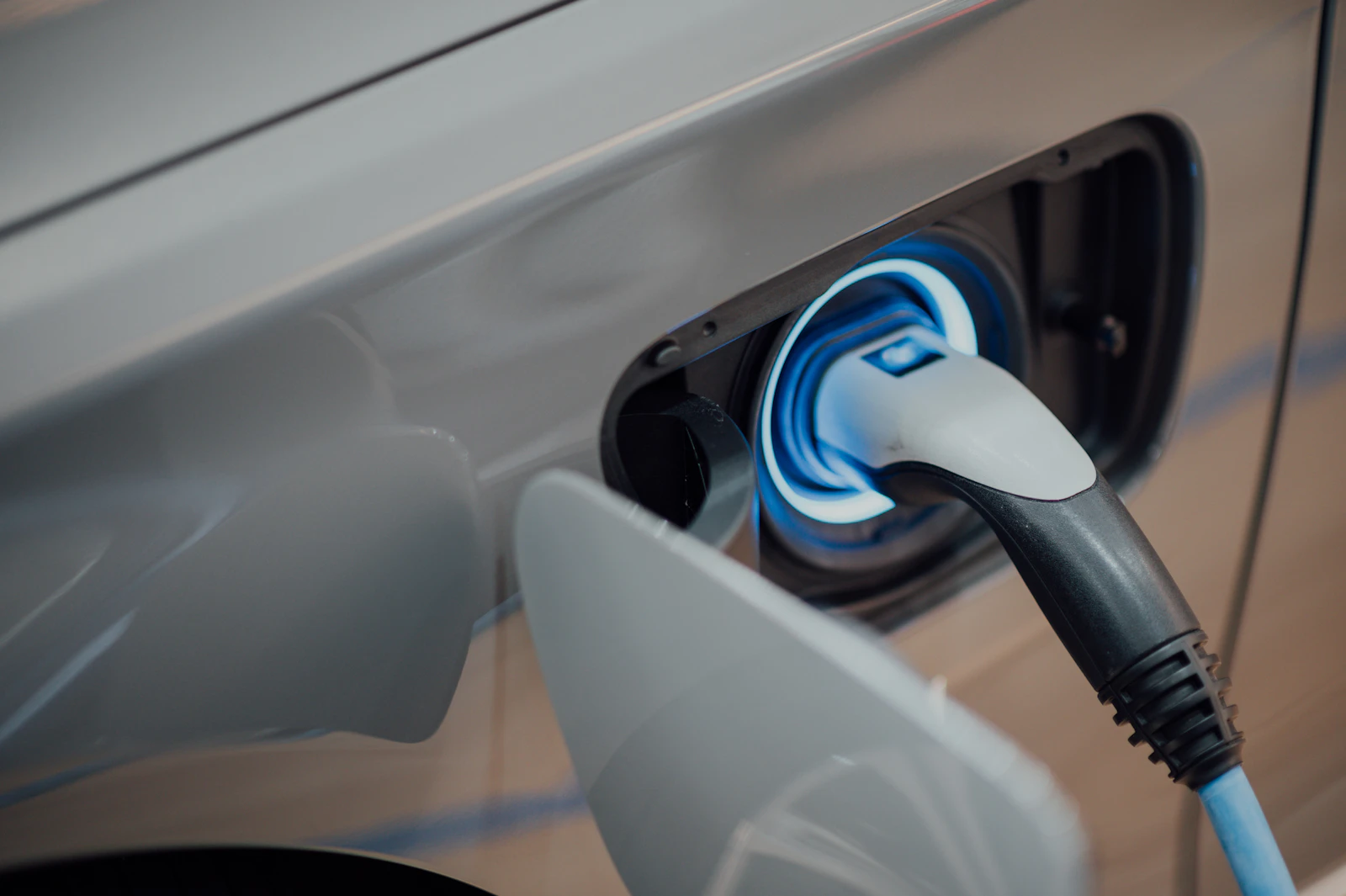
In practice, a battery holds its peak rate for only part of the charge. The rate rises and falls as the battery fills and warms up. That is why the real gain is smaller than the numbers suggest: 1 minute 18 seconds on a 10 to 80 percent charge, not two full minutes.
The gain is still real. A driver who stops to charge on a long trip will spend less time waiting. Over a year of road trips, those minutes add up. And the driver gets the faster charging on the battery already in the car, with no visit to a workshop and no new parts.
The update adds around 20 percent more charging current, relative to battery capacity, than 5C allows. That is the step from 5C to 6C, and it is the largest single gain XPeng has offered to its existing cars through software alone.
How the faster charging works
A battery does not charge at one speed from empty to full. The battery management system, the car’s own computer for the battery, tells the charger how much current to supply. That current changes with the temperature of the cells and with how full the battery is.
The software update changes the limits the battery management system allows. It lets the battery take more current at its peak, and it holds that peak for longer. The cells, the cooling and the wiring stay the same. Only the rules change.
There is one limit the software cannot move. At a charging station that is already giving its maximum output, the update alone cannot increase the current. The car can only take what the charger can give. The 10.7-minute figure needs a charger that can deliver the full 6C rate.
That is why XPeng is also building its own charging network. It opened its first X-Energy station in September in San Po Kong, Hong Kong. The station is open to electric cars of all brands, and it can deliver up to 1,000 kilowatts, or 1 megawatt, and 1,000 amps. A 400 kilowatt-hour battery on site supplies extra power during fast charging, so the station draws no more than 240 kilowatts from the grid.
On November 27, XPeng said it planned a second Hong Kong station, and its first X-Energy sites in Australia, Germany and the Netherlands. The 800-volt systems behind the fastest charging cars explain why high-power stations matter: without them, even the best battery cannot charge at its peak.
What owners still do not know
XPeng has not said when each model gets the update, or which markets get it first. Owners of the G6 SUV and the X9 people mover, which are sold in Australia with 5C charging, will be watching for the schedule. So will owners of the G9L, the three-row luxury SUV that is due to arrive soon.
Safety was the first question put to He Xiaopeng at the event. He said the company had tested the batteries under extreme conditions: more than 1.2 million hours of durability testing in total, the equivalent of more than 25 million kilometres, at temperatures from minus 30 degrees to plus 45 degrees, plus crash, crush, fire and immersion tests. XPeng did not explain how the 25 million kilometre figure was worked out.

Faster charging puts more stress on a battery, and owners will want to see how the packs hold up over time. The tests XPeng cites are a start, not a verdict. The verdict will come from cars that have charged at 6C for years.
Charging stations and what comes next
The update is part of a wider push. At the same event in Guangzhou, XPeng confirmed an export version of its P7, a sporty five-seat electric fastback sedan, will be made for Europe. XPeng picked Europe as the first market for its new P7 sedan earlier this week, and the charging update gives those cars a stronger story to tell. Europe’s rules are shifting for hybrids too, as the EU delayed a planned change to plug-in hybrid emissions ratings.
XPeng also said its driver-assistance system, called NGP, will move to a subscription model from the second quarter of 2027. Owners who already have the cars, and cars bought before the subscription starts, will not have to pay. The system will reach Australia and New Zealand in 2027.
Cars that pick up new skills through software updates are now normal, and XPeng has made the idea central to its pitch. Megawatt charging is also moving from trucks toward cars, and the stations XPeng is building are part of that shift.
The update shows what software can do for a car that is already on the road. A faster charge, no new parts, no workshop visit. The test now is the rollout: which cars get it, when they get it, and whether the batteries stay healthy at the higher rate.
Frequently Asked Questions
What is 6C charging?
The C-rate measures how fast a battery charges, relative to its size. At 1C an empty battery would fill in one hour, at 5C in 12 minutes, and at 6C in 10 minutes. In practice a battery holds its peak rate for only part of the charge.
How much time will the update save?
On a compatible fast charger, a 10 percent to 80 percent charge falls from 12 minutes to 10.7 minutes. That is a saving of 1 minute 18 seconds, or about 11 percent.
Which cars will get the update?
All XPeng models equipped with 5C batteries, including cars with lithium iron phosphate packs and cars with ternary lithium packs. The update will roll out in stages, and XPeng has yet to publish a schedule by model or market.
Does it need new hardware?
No. The higher rate comes through an over-the-air software update to the battery management system, on the battery already installed. The car still needs a charger that can deliver the full 6C rate to see the gain.


