
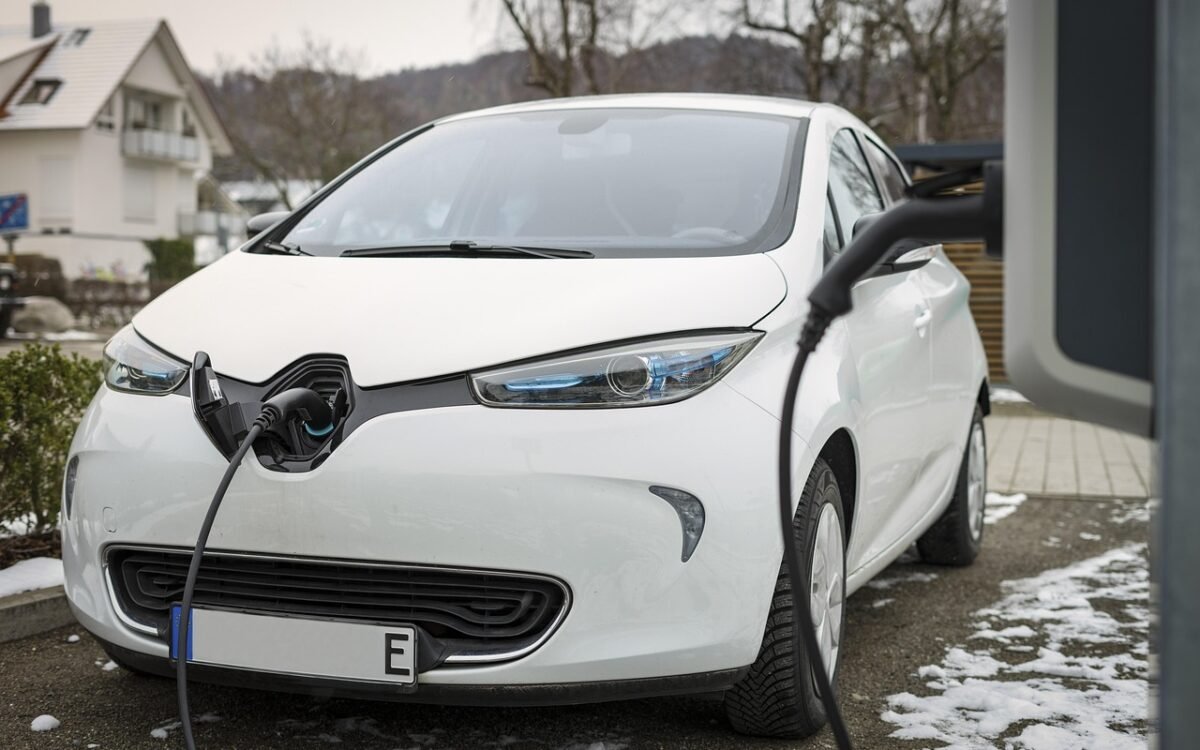
The European Union has put a hard limit on hybrid car imports. From 1 December 2026, only a set number of hybrid cars from China, Japan, South Korea and other countries will be allowed into the bloc.
The measure is temporary, but it is strict. Once a country’s quota is used up, no more of its hybrid cars can enter the EU during the 200-day period.
Brussels says the move will protect European carmakers from a surge of imports. China is the main target, yet close allies such as Japan and South Korea are caught in the same net.
What are the EU hybrid import quotas 2026?
The EU hybrid import quotas 2026 are provisional safeguard measures published by the European Commission on 24 November 2026. They take effect on 1 December and run for 200 days, until 18 June 2027.
The regulation is numbered 2026/2614. It sets a maximum number of hybrid passenger cars that may be imported from each named country, as Reuters reported.
Imports outside the quotas are not allowed. That makes this a hard cap, not just a higher tariff on extra cars.
The quotas cover plug-in hybrids, full hybrids and mild hybrids. Range-extender vehicles are excluded and continue to be treated as battery-electric vehicles.
How big is each country’s quota?
China gets the largest allowance, but also the sharpest cut. Its 200-day quota is 191,780 hybrid cars, equal to an annual quota of 350,000 vehicles.
Japan is next, with about 170,000 cars over the 200 days, as NHK reported. Turkey follows with 126,320, the United Kingdom with 105,402 and South Korea with 67,924.
Smaller country quotas were also set. Mexico gets 34,755 cars, Morocco 23,954, Serbia 19,353 and the United States 18,482.
Why has the EU moved now?
The Commission says hybrid imports have surged to a level that threatens European industry. Total imports of the affected hybrids rose by 49% in recent years.
According to the investigation, imports climbed from 957,965 units in 2023 to 1,423,691 units in the year to 30 June 2026.
That 49% rise is the core of the Commission’s case. China’s role is central to the story. Its global hybrid exports rose from 191,000 in 2023 to more than 1.12 million in 2025, as Europe Says reported.
The Commission said the surge was driven by growing global production overcapacity. It also pointed to trade-restrictive measures in other major markets pushing more cars towards Europe.
How did hybrids become the new flashpoint?
The quotas follow the EU’s earlier tariffs on battery-electric cars from China. Those duties, introduced in 2024, reached up to 35.3% on top of the standard 10% import duty.
Chinese carmakers then shifted towards hybrids. Plug-in hybrids with engines that drive the wheels still faced only the 10% base duty, so they became the cheaper route into Europe.
EU imports of Chinese hybrids jumped from 107,000 in 2024 to 302,000 in 2025. The Commission expects about 800,000 in 2026 if no limits are imposed.
That is why the new cap matters so much. At 350,000 a year, China’s quota is less than half the volume expected without limits.
Electrive’s report on the new regulation sets out the full country-by-country figures.
Why are Japan and Korea included?
World Trade Organization rules require safeguard measures to apply to all major suppliers, not just one country. That is why Japan, South Korea, Turkey and the UK are included.
For most of those countries, the quotas are generous. They are based on 2025 import volumes plus about 15%, so they should cover existing shipments.
China is the exception. Its quota is set far below the current pace of imports, which makes it the only country facing a real squeeze in the short term.
Even so, the inclusion of allies has caused friction. The UK, Japan, South Korea and Turkey have questioned the investigation’s transparency at the WTO.
That challenge was noted as The News reported on the announcement.
What happens to cars above the quota?
Cars above a country’s quota cannot clear EU customs during the 200-day period. Importers will need to plan shipments carefully around the three sub-periods.
The 200 days are split into three parts: 1 December 2026 to 28 February 2027, 1 March to 31 May 2027, and 1 June to 18 June 2027. China’s allowance is divided across them: 86,301, then 88,219, then 17,260 cars.
How have China and other countries reacted?
China’s Ministry of Commerce urged Brussels on 24 November to honour the consensus reached by both sides. Beijing said it would protect the legitimate rights of the Chinese industries concerned.
The two sides had reached an understanding in Beijing in October 2026. That deal already pointed to a 350,000 annual limit on Chinese hybrids from December.
Reports say the longer deal would run for four years, with the quota rising by 6% a year. That longer arrangement has not been confirmed in the published regulation, which covers only the 200-day provisional period.
What does this mean for European car buyers?
In the short term, most buyers may notice little change. Japanese, Korean and European-built hybrids should still be available in normal numbers.
Chinese hybrids are a different story. Popular plug-in hybrid models from brands such as BYD, Chery and MG could become harder to find if demand outruns the quota.
Prices could rise on the most sought-after Chinese models. When supply is capped and demand stays strong, dealers have less reason to offer discounts.
German brands, by contrast, saw sales fall 5.7% in the same month. Their market share slipped from 41.5% to 38.2%, which helps explain why Brussels acted.
What does this mean for European carmakers?
The quotas give them breathing space. With Chinese supply capped, European brands have a better chance to sell their own hybrids at fair prices.
What happens next?
The safeguard investigation that led to the quotas began on 30 October 2026. The Commission can adopt definitive measures within nine months, with a possible two-month extension.
That means a longer-term decision could come in 2027. Until then, carmakers and importers must plan without knowing whether the caps will stay, grow or end.
Our Automotive News coverage will follow the investigation and the quota figures. Our latest news coverage will also track the wider trade dispute.
The message from Brussels is clear. The hybrid route that let Chinese carmakers sidestep electric-car tariffs is closing.
Local production is becoming the surest way to keep growing in Europe. Follow further developments in our automotive coverage.
Frequently Asked Questions
When do the EU hybrid import quotas 2026 start?
The quotas start on 1 December 2026 and run for 200 days, until 18 June 2027. They were published in Regulation 2026/2614 on 24 November 2026.
How many Chinese hybrid cars can enter the EU?
China can export 191,780 hybrid cars during the 200-day period. That equals an annual quota of 350,000 vehicles, less than half the 800,000 the Commission expects in 2026 without limits.
Which countries are covered by the quotas?
China, Japan, Turkey, the UK, South Korea, Mexico, Morocco, Serbia and the US all have country-specific quotas. Other countries fall under a small residual quota.
Do the quotas cover all hybrid cars?
No. They cover plug-in hybrids, full hybrids and mild hybrids. Range-extender vehicles are excluded and are treated as battery-electric vehicles for customs purposes.
Will hybrid car prices rise in Europe?
Prices could rise for the most popular Chinese hybrid models if demand exceeds the capped supply. Most Japanese, Korean and European-built hybrids should stay available in normal numbers.


