

Musk Says Tesla FSD V15 Will Let Drivers Point and Go
Tesla’s Full Self-Driving system will soon let drivers point at a spot on the car’s screen and have the car drive there. That is what chief executive Elon Musk said on Friday night, in a short post that set off a wave of talk among Tesla owners.
Musk posted at 10:06 p.m. Eastern on Friday, November 27. His words were simple: “The ability to point at a spot on the screen in reality view and have the car go there.” The feature is part of FSD V15, the newest version of Tesla’s driver-assistance software.
He was answering an owner who had posted about passing 1,000 miles on V15 and still liking Reality View, the 3D picture of the drive that V15 added. Six minutes later, Musk said “Yeah” when Tesla commentator Sawyer Merritt said he expected the feature to include choosing a parking space.
What Musk said on Friday night
The post came late on a Friday, as it often does with Musk. He did not give a build number, and he did not say whether every V15 car would get the feature at once. What he did give was a time frame, in a follow-up post: a week or two.
That puts the arrival of point-to-drive between December 4 and December 11, if Musk’s timing holds. Musk has a record of missing his own dates on software, so owners will treat the window as a guide, not a promise.
The idea is easy to picture. Today, a driver types in a destination or taps a pin on the map. With point-to-drive, the driver would look at the 3D view on the screen, tap the place they want to go, and let the car work out the route. The driver keeps watching the road the whole time, because V15 is still Full Self-Driving (Supervised).
How point-to-drive would work
Reality View is the key. It is the 3D picture of the road that V15 shows on the car’s central screen. It is made by the same AI model that does the driving, so what the driver sees is close to what the car sees.
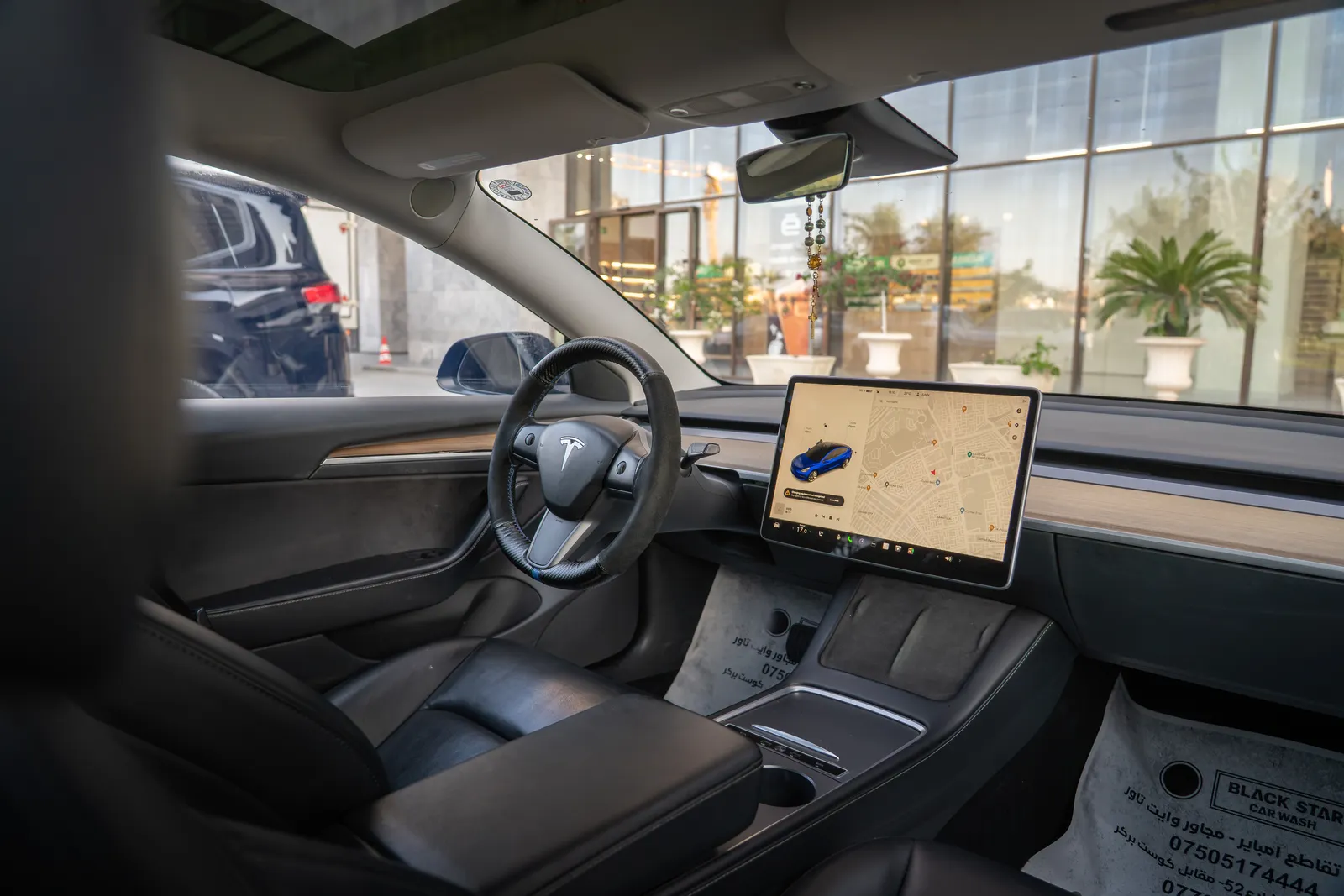
Today, V15 already highlights parking lots and street parking in Reality View when the car reaches its destination. The driver can tap one to send FSD there, but FSD still chooses the individual space. When the driver parks by hand, a system called Autopark shows arrows over open spaces, and the driver taps one.
Point-to-drive would go further. The driver could tap any spot on the screen, not just a parking lot, and the car would head for it. Musk’s “Yeah” to the parking-space question suggests the feature will also let the driver pick the exact space, rather than leaving the choice to the car.
The screen shows arrows for turns ahead and pins for where the car plans to park. Tesla’s own post about V15 on November 21 described Reality View as a way to “see & control what FSD is planning to do.” Point-to-drive would make that control direct: tap the spot, and the car goes there.
What Reality View does today
V15 began rolling out on November 21. Fleet trackers logged it first on United States Model Ys with AI4, the newest Tesla driving computer. On November 26, the tracker Not a Tesla App reported it had reached older AI4 Model Ys without the front bumper camera. So far it is still limited to the Model Y.
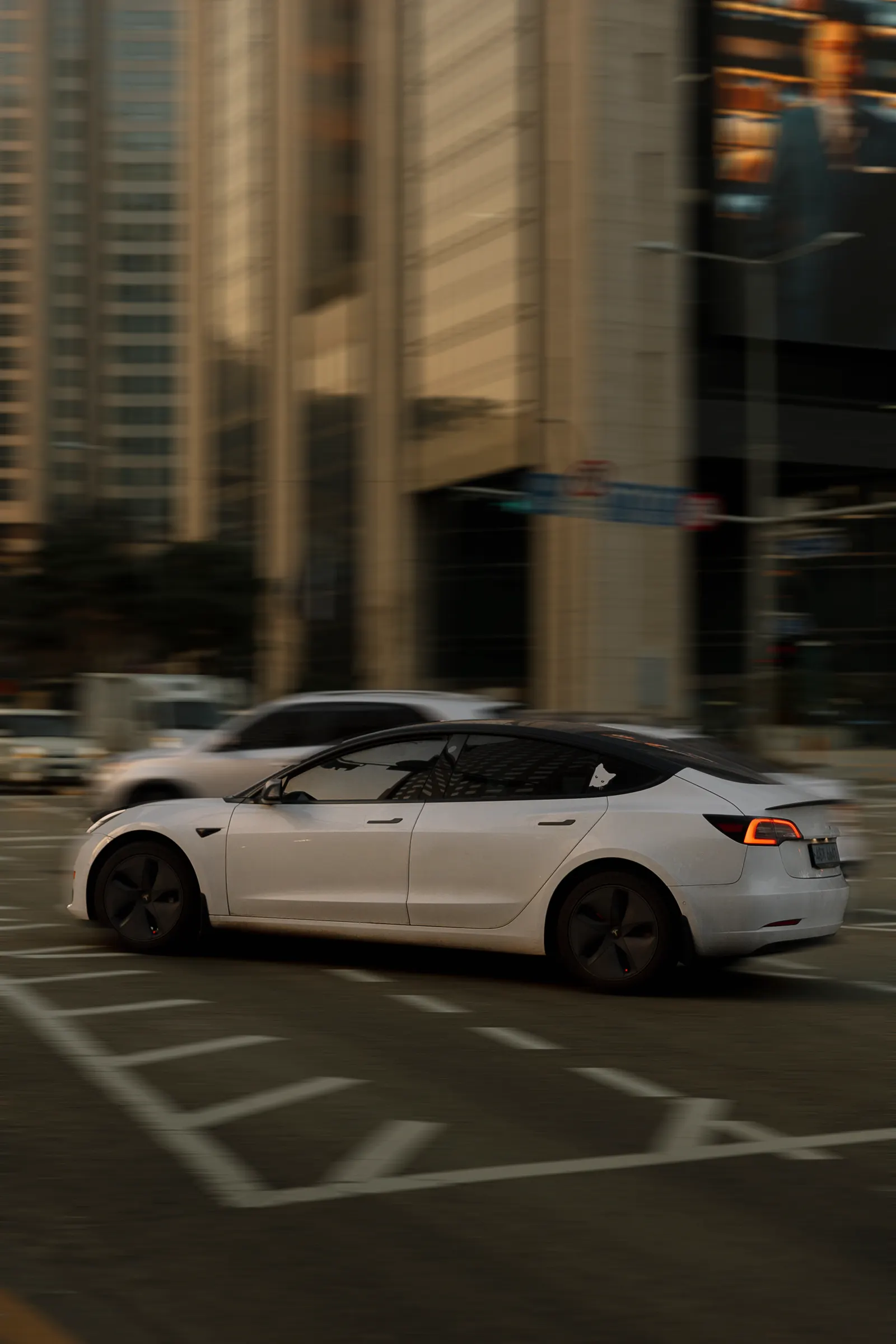
The view is likely limited to Hardware 4 cars with the newer AMD Ryzen processor. Older cars with earlier hardware may not get the full picture, because the 3D view needs the newer computer to run well. Tesla has not said which cars will get point-to-drive, or whether it will come to every V15 car at the same time.
Musk has said V15 goes to wide release in December. He also answered “Yeah” when asked whether it would come with Tesla’s holiday update, the software package Tesla sends out each year in December. Drive Tesla Canada also reported on Saturday that the point-to-drive feature is coming to Reality View.
Cars that gain new skills through software updates are now normal, and Tesla has led that shift. That driver-assistance technology faces a key EU vote on December 15, which will decide how far Tesla’s system can go in Europe.
What is still not clear
The biggest open question is the timing. “A week or two” is vague, and Musk’s software dates often slip. Owners will watch for the first cars to get the feature, and for the build number that carries it.
The second question is the reach. If point-to-drive needs the newest hardware, many Tesla owners will not get it, at least not at first. Tesla has not said whether the feature will work on older Model Ys, or on the Model 3, Model S and Model X.
The third question is the use. A tap on the screen sounds simple in a car park. On a busy street, the driver must pick a spot that is safe and legal to reach. The car still has to make the right calls, and the driver still has to watch it do so.
The feature matters because it changes how drivers talk to their cars. Driverless taxis face tough questions on safety, cost and public trust, and the same questions follow any system that lets a driver point and let go. Tesla also runs a driverless service in Texas For now, owners have a date range and a short post. The week of December 4 will show whether point-to-drive is ready, and whether Musk’s Friday-night promise turns into software on real cars. It is a coming feature that lets a driver point at a spot on the screen in Reality View and have the car drive there. Elon Musk described it on Friday night, November 27, in a post at 10:06 p.m. Eastern. Musk said it would arrive in a week or two, which points to December 4 to December 11. He did not name a build number, and Tesla’s software dates have slipped before. Tesla has not said. V15 itself is still limited to the Model Y, and Reality View is likely limited to Hardware 4 cars with the newer AMD Ryzen processor. It is not clear whether every V15 car will get the feature at once. No. V15 is still Full Self-Driving (Supervised), so the driver keeps watching the road. The driver taps where to go, but stays in charge of the car.Frequently Asked Questions
What is tap-to-drive in FSD V15?
When will point-to-drive arrive?
Which cars will get it?
Does it mean the car drives itself?
Sources


