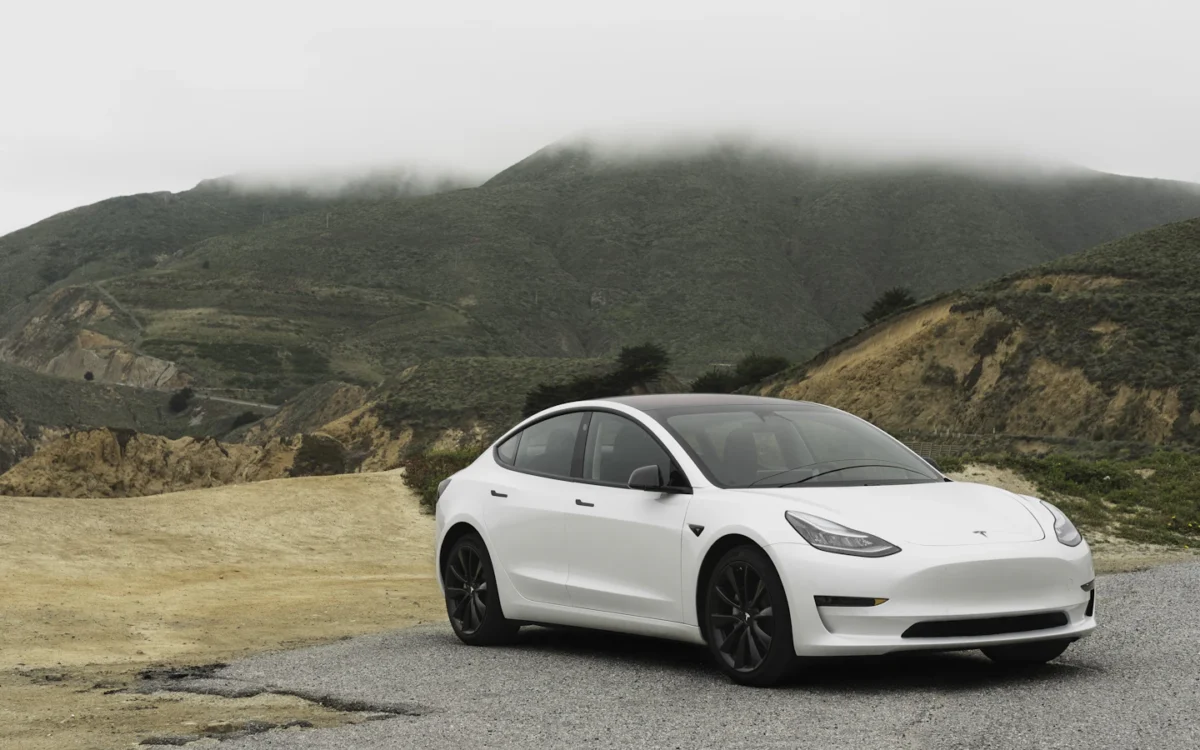
EU May Vote on Tesla’s Assisted-Driving System on December 15
The European Union may vote on December 15 on whether to approve Tesla assisted driving across the bloc, according to a draft agenda published by the European Commission. It would be the first time EU countries have been asked to vote formally on the system.
Reuters reported on November 26 that the Commission’s draft agenda for the December 15 meeting says EU countries “will further examine the Dutch request to grant type approval for the system ‘with possible vote’.” The wording matters because it raises the prospect of a decision, not just another discussion.
The vote would be a key step in Tesla’s effort to roll out its assisted-driving technology across Europe. For drivers, it could decide when one of the most talked-about driver assistance systems becomes widely available on European roads.
What is being decided?
The question before EU countries is whether to grant type approval to Tesla’s assisted-driving system, which the company now calls Tesla Assisted Driving. The Netherlands, as the national authority that received Tesla’s application, has asked for EU-wide approval.
Nearly a dozen countries have already followed the Dutch lead, according to Reuters. But a single country’s approval is not enough. For the system to be approved across the whole bloc, it needs the backing of at least 15 of the EU’s 27 member states, representing at least 65 percent of the bloc’s population.
That threshold is known as a qualified majority. It means Tesla needs broad support, not just a handful of friendly regulators. The December 15 meeting of the Technical Committee for Motor Vehicles is where that support will be tested.
Why was the decision delayed?
The meeting was originally expected to take place on December 1. Reuters reported on November 25 that the discussion had been postponed to December 15, after two committee meetings ended without a decision.
The delay is not unusual for a new technology. Driver assistance systems sit in a grey area between conventional cruise control and full self-driving, and regulators in different countries have taken different views on how much responsibility a driver should keep.
Tesla’s system still requires a human driver to supervise it. It is not a fully driverless system. But the line between assistance and autonomy is exactly what regulators are arguing about, and that debate has slowed approvals in Europe compared with the United States.
How have Tesla’s shares reacted?
Tesla shares closed at $380.14 on November 25, down 1.18 percent on the day. Financial media linked the drop to the postponed EU review and to fresh reports about merger talks between Tesla and SpaceX.
The Financial Times reported on November 24 that Tesla and SpaceX are discussing an all-stock merger valued at about $3.5 trillion. Neither company has announced a deal, and there is no agreed valuation or exchange ratio. Investors are watching both stories at once, which makes it hard to separate the effect of the EU delay from the merger speculation.
After the market closed, Tesla shares recovered slightly in after-hours trading, reaching $383.23. The next firm date for investors is now December 15, when the EU committee meets.
What happens if the vote goes ahead?
If EU countries vote in favour, Tesla would be able to offer its assisted-driving system across the bloc under a single approval, rather than seeking permission country by country. That would speed up the rollout and cut the cost of bringing the technology to European drivers.
If the vote is delayed again, or if countries vote against approval, Tesla would face a longer wait. The company could still pursue national approvals, as it has done in the Netherlands, but that route is slower and more fragmented.
Either way, the December 15 meeting is now the date to watch. The draft agenda is the first time the Commission has explicitly raised the possibility of a vote, which suggests the process is moving toward a decision rather than drifting.
Why does this matter beyond Tesla?
The decision will set a precedent for how Europe approves advanced driver assistance systems from all manufacturers. The difference between Level 2 and Level 3 autonomous driving is already confusing for buyers, and a clear EU ruling would help define what carmakers can sell and what drivers can expect.
It also comes as Tesla reshapes its model range. Tesla’s line-up has been shaken up around the Model Y and Cybertruck, and the company recently dropped its entry-level Model Y. Software and driver assistance are becoming as important to Tesla’s business as the cars themselves.
The wider robotaxi race adds pressure too. Autonomous robotaxis are expanding in the United States, and Europe does not want to fall too far behind. Approving Tesla’s system would not make cars driverless overnight, but it would signal that Europe is willing to let advanced assistance systems onto its roads.
For now, European Tesla drivers must wait. December 15 will show whether the bloc is ready to say yes, or whether the debate continues into 2027.
More coverage of Tesla and driver assistance can be found in our more Automotive News.
Across the Atlantic, lawmakers are moving in a different direction — Congress is nearing a deal to ban Chinese vehicles from the United States.
Frequently Asked Questions
When will the EU vote on Tesla’s assisted-driving system?
A meeting of EU countries is scheduled for December 15, and a draft agenda published by the European Commission says the Dutch request for type approval will be examined “with possible vote.” No vote is guaranteed, but it is the first time the Commission has explicitly raised the possibility.
What is Tesla Assisted Driving?
It is Tesla’s driver assistance system, previously known as Full Self-Driving (Supervised). It still requires a human driver to supervise the car at all times and is not a fully driverless system.
Why was the EU decision postponed?
The discussion was originally expected on December 1 but was postponed to December 15 after two committee meetings ended without a decision, according to Reuters.
What majority is needed for EU-wide approval?
Approval requires the backing of at least 15 of the EU’s 27 member states, representing at least 65 percent of the bloc’s population.
How did Tesla’s shares react to the delay?
Tesla shares closed at $380.14 on November 25, down 1.18 percent, with financial media linking the fall to the postponed EU review and to reports of Tesla-SpaceX merger talks.