
Level 2+ vs. Level 3 Autonomous Driving: What Hands-Free Systems Can Safely Do
Hands-free driving sounds like the car is doing the driving. In most cars on sale today, it is not. The difference in Level 2 vs Level 3 autonomous driving is who is legally in charge.
At Level 2, the system steers and manages speed, but you are still the driver. At Level 3, the system takes over the whole driving task, but only in narrow conditions. Knowing which one you have changes how you use it.
This guide explains both levels in plain language: what each system can safely do, where it works, who is responsible when things go wrong, and what to check first.
What Does Level 2 vs Level 3 Autonomous Driving Actually Mean?
The six levels come from SAE J3016, a standard from SAE International. It classifies the feature that is switched on, not the car itself. One car can have a Level 2 highway feature and a Level 4 parking feature.
The standard asks two questions. Who performs the dynamic driving task, which means steering, braking, accelerating and watching the road? And who takes over when the system reaches its limits?
Levels 0 to 2 are driver support. The human is driving, even when hands and feet are still. Levels 3 to 5 are automated driving. The system performs the whole task while it is engaged.
That split is the whole story. Everything else, from hands-free steering to eyes-off driving, follows from which side of the line a feature sits on. The four questions that cut through hands-free claims are who drives, who watches, who takes over, and where it works.
What Is Level 2 Driving, and Why Are You Still the Driver?
Level 2 combines lane centring with adaptive cruise control. The car steers and manages speed at the same time. It can look impressively capable on a long motorway stretch.
But the law still treats you as the driver. You must watch the road continuously and be ready to take over instantly. The system is assistance, not a replacement for you.
That is why Level 2 cars watch you back. Cameras track your eyes and head position. If you look away too long, the system warns you, then slows down or switches off.
Most hands-free systems on sale in 2026 are Level 2. They let you take your hands off the wheel on mapped roads, but your eyes must stay on the road. Hands-free does not mean driver-free, as our automotive technology coverage explains.
What Is Level 2+, and Why Does the Plus Sign Confuse Buyers?
“Level 2+” is a marketing label, not a level in the SAE standard. It usually means a Level 2 system with extra abilities, such as automatic lane changes or driving on more road types.
The plus sign suggests something close to Level 3. It is not. The driver still supervises continuously and stays legally responsible. Nothing about liability or fallback changes.
Some Level 2+ systems handle city streets and turns at junctions. That makes them feel more advanced than a highway-only Level 2 system. But feeling advanced is not the same as being autonomous.
Judge any system by the four questions, not the name. Who drives, who watches, who takes over, and where does it work? If the answer to “who watches” is still you, it is Level 2.
What Changes at Level 3?
At Level 3, the system performs the entire driving task within its design domain. It steers, brakes, accelerates and watches the road. You do not need to supervise moment to moment.
That is the first level where you may legally look away. You can read or answer email on the centre screen while the system drives. You cannot sleep, and you cannot leave the driver’s seat.
The catch is the takeover request. When the system reaches the edge of its conditions, it asks you to drive again. You must be ready to take over within the time it gives you.
Level 3 is also called conditional automation for a reason. The conditions are narrow: approved roads, certain speeds, good weather and daylight. Outside them, the system simply will not switch on.
How Does a Level 3 Takeover Request Actually Work?
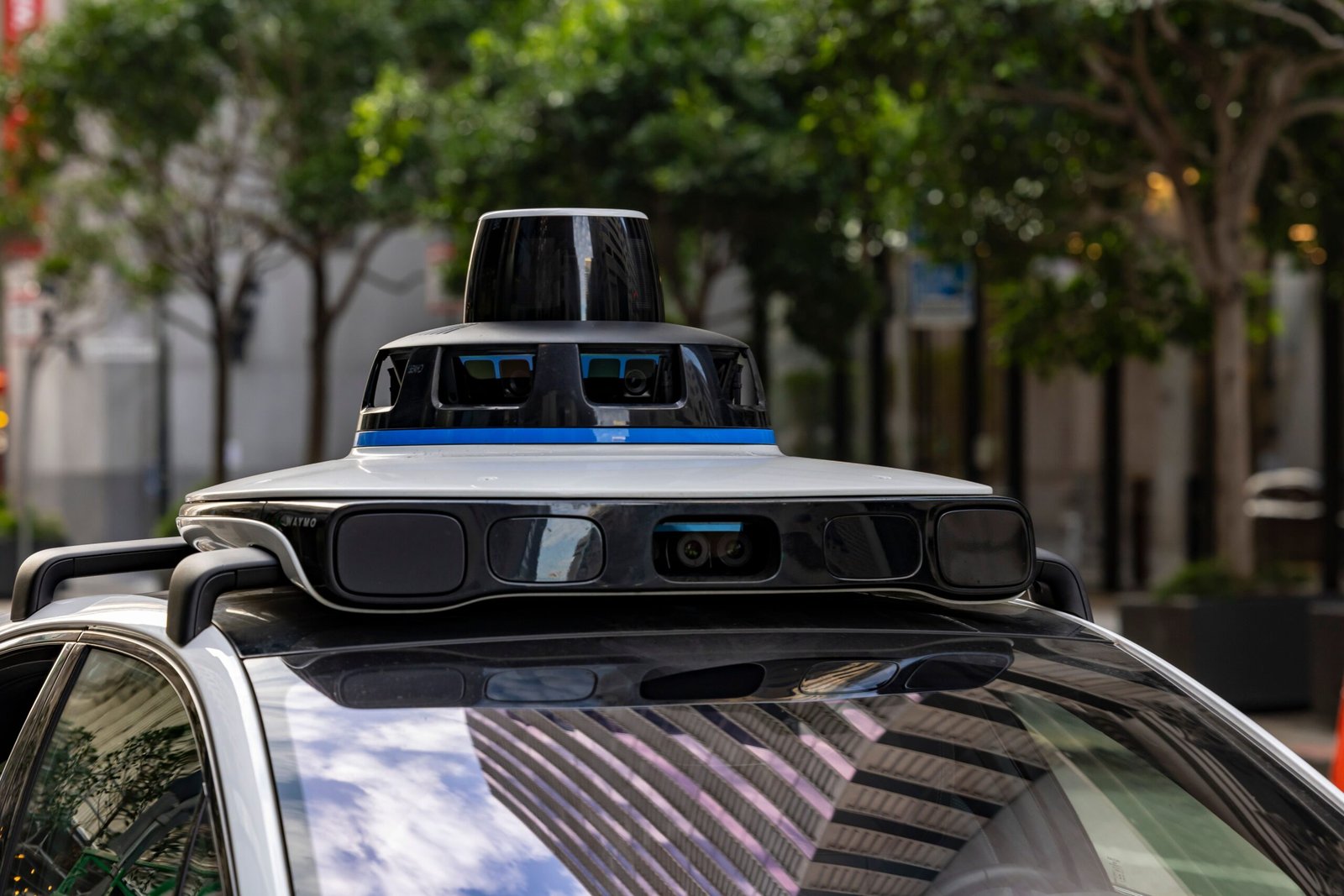
When a Level 3 system nears its limits, it issues a takeover request with sound, light and vibration. International rules for lane-keeping systems require at least 10 seconds of warning. The car keeps driving while you re-engage.
Research shows why those seconds matter. In a German insurers’ study of 60 drivers, 90 percent looked at the road again after 3 to 4 seconds. Their hands reached the wheel after 6 to 7 seconds.
Full awareness took longer. Glances at the mirror and speedometer, the signs that a driver understands the traffic around them, needed 12 to 15 seconds. For some drivers, even 10 seconds was not enough.
That gap is Level 3’s weak spot. The system must keep driving safely while a distracted human rebuilds their picture of the road. It is the main reason so few Level 3 systems exist.
Which Hands-Free Systems Can You Buy Today, and What Level Are They?
Every driver-assist system sold for personal use in 2026 is Level 2, with one famous exception. That includes the best-known hands-free brands, whatever their names suggest. In fact, every consumer driver-assist system available in 2026 is Level 2.
GM’s Super Cruise is Level 2. It steers hands-free on more than 630,000 miles of mapped North American roads. A camera watches your eyes, and the car slows to a stop if you do not respond.
Ford’s BlueCruise is also Level 2. Its hands-free zones cover about 130,000 miles of divided highways in the United States and Canada. An infrared camera checks that your eyes stay on the road.
Tesla’s Full Self-Driving (Supervised) is Level 2 as well. It works on more road types than most rivals, but the driver must supervise and be ready to take over. The word “supervised” is doing real work in the name.
The exception was Mercedes Drive Pilot, the first and only certified Level 3 production vehicle in the United States. It worked on approved German motorways at up to 95 km/h, and on some freeways in Nevada and California at up to 40 mph.
In January 2026, Mercedes paused Drive Pilot for new cars, citing cost and low demand. Its replacement is a Level 2 system, so buyers gain speed and coverage but lose the right to look away.
Who Is Responsible If Something Goes Wrong?
At Level 2, you are. The driver remains legally responsible at every second, even when the system is steering. That is why insurers and courts treat a Level 2 crash like any other crash.
At Level 3, responsibility shifts while the system is engaged. The carmaker accepts liability for the driving task until it hands control back. That shift is what makes Level 3 so hard to certify.
The shift is also why Level 3 systems are narrow. A carmaker will only accept liability where it has tested the system thoroughly, on mapped roads, in known conditions, with redundant hardware.
For buyers, the practical rule is simple. If you must watch the road, you carry the risk yourself.
If the car lets you look away, the carmaker carries it, but only inside the system’s approved conditions. The legal and technical divide between the levels is what makes this distinction matter.
What Hardware Makes Level 3 Different From Level 2?
Level 2 cars typically use cameras and radar, with a single path for braking and steering. If one part fails, the driver is the backup. That is acceptable because the driver is always watching.
Level 3 cars add redundancy. They use dual braking systems, duplicate steering motors and backup computers. If one system fails, another keeps the car safe while it asks you to take over.
They also add sensors that Level 2 cars often skip. LiDAR builds a precise 3D map of the surroundings, and high-definition maps tell the car exactly where the lanes and exits are.
All that hardware costs money and takes space. It is one reason Level 3 stayed in flagship models, and why its replacements stepped back to Level 2.
Where Can You Use Each System?
Every automated feature has an operational design domain, the set of conditions it was built for. Road type, speed, weather, light and geography all count. Outside the domain, the feature will not engage.
Level 2 hands-free systems work on pre-mapped highways. Super Cruise covers hundreds of thousands of miles, BlueCruise a smaller network. Coverage grows through updates, but it is never everywhere.
Level 3 domains are far narrower. Drive Pilot worked only on approved motorway sections, in daylight, on dry roads, below its speed cap. Crossing into a state without approval switched it off.
Weather is a hard limit for both levels. Heavy rain, snow and fog degrade cameras and sensors. No hands-free system is a bad-weather system, and none should be used as one. The levels from 0 to 5 all depend on the system staying inside its design domain.
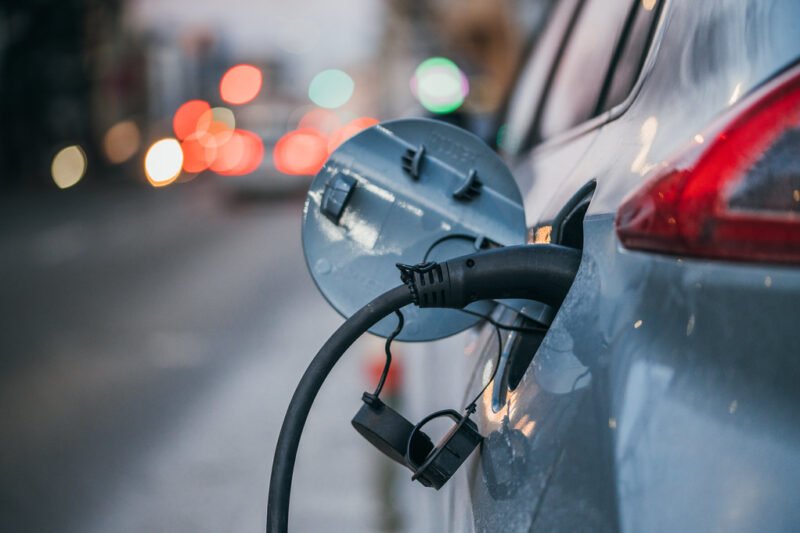
Many of these systems now appear on electric vehicles, where driver assistance is often bundled with the car. The same rules apply: check the level, not the badge.
What Should You Check Before Trusting a Hands-Free System?
Read the owner’s manual, not the marketing page. The manual states the system’s level, its operating domain and what it expects from you. That is the only reliable source for your exact car.
Check whether your regular roads are mapped. A system that works on 600,000 miles of highway is useless on your commute if your commute is not among them. Ask the dealer to show you the map.
Check the subscription. Many hands-free systems need a paid connectivity plan after a free trial period. Prices and terms vary, so confirm what the feature costs to keep using.
Finally, test the driver monitoring. Sit in the car, switch the system on and look away briefly. You should get a clear warning. If the system lets you ignore the road, its safeguards are weak.
Independent tests help too. Consumer Reports ranks driver-assist systems, and the gap between the best and worst is wide. The difference is almost entirely about how well each system keeps the driver engaged.
Is Level 3 Worth Waiting For?
Level 3 offers something real: minutes of your attention back on a motorway. For drivers in heavy traffic, that is a genuine comfort. But its limits are tight, and its only certified example has been paused.
Level 2+ systems, meanwhile, keep getting better. They cover more roads, change lanes and handle more situations, all while keeping you in charge. For most buyers in 2026, that is the practical choice.
The technology will return. Carmakers are working on wider Level 3 domains and Level 4 robotaxis in mapped cities, likely at higher speeds and on more roads.
Until then, the honest test is the one in this guide. If the system needs your eyes, it is Level 2, whatever the badge says.
Buy the car for what it does, not for what its name promises. Keep up with the latest developments in our automotive news and automotive coverage.
Frequently Asked Questions
Is hands-free driving the same as self-driving?
No. Hands-free driving is a Level 2 feature. The car steers and manages speed, but you must watch the road and stay ready to take over. Self-driving only starts at Level 4 in mapped areas.
Can I watch a film while my car drives itself?
Only in a certified Level 3 system, and only while it is engaged inside its approved conditions. At Level 2, looking away is unsafe and can switch the system off. Even at Level 3, you must stay in the driver’s seat.
What happens if I fall asleep with Level 2 engaged?
The driver monitoring camera should notice first. It warns you with sound and light, then escalates. If you still do not respond, the car slows down, switches the system off and may call for help. Never rely on this as a safety net.
Why is Level 3 so rare?
Three reasons: liability, the takeover problem and cost. The carmaker accepts responsibility while Level 3 is engaged, the handover to a distracted driver takes seconds, and redundant hardware is expensive. Regulators must approve each system road by road.
Will my car get Level 3 through a software update?
Almost certainly not. Level 3 needs certified hardware, including redundant braking and steering, plus regulatory approval for the exact roads it covers. A software update cannot add that hardware or that approval to a car built as Level 2.
Sources: VnRobo, CASRAI, Safe Self Drive, Embark Drive, AutoEdgeView, EV-Global, ai.cars, RankGrids, German Insurers Accident Research, Richard Djarbeng and Factlen, all accessed 25 November 2026.
All figures are reported results from the sources named in the article. Capabilities, approvals and prices vary by country, model and model year, so check the owner’s manual before trusting any hands-free system.