How Overtourism Taxes and Timed Entry Systems Are Reshaping Global Hotspots
Overtourism visitor taxes are now part of almost every big trip. In 2026, more than 35 destinations raised or introduced a visitor charge, from Venice to Kyoto and Hawaii.
The change is not just about money. Cities are using fees, daily caps and timed tickets to control crowds, protect fragile sites and fund repairs.
For travellers, the result is a new kind of planning. The price on the booking page is often only part of the real cost, and the most famous sights now need a slot booked weeks ahead.
This guide explains how the new systems work, what they cost, whether they actually cut crowds, and how to plan around them.
What is driving the new wave of visitor taxes?
Tourism has bounced back hard since the pandemic, and the pressure is concentrated in a few famous places. Streets, squares and fragile sites were built for far fewer people than now arrive.
Kyoto set a record with 56 million visitors in 2024, according to travel industry reporting. Venice’s historic centre, home to around 50,000 residents, hosts tens of millions of visits a year.
Residents feel the strain first. Rents rise as flats become holiday lets, buses fill with day-trippers, and narrow streets jam at peak hours.
Governments have answered with two tools at once. The first is a charge on visitors, usually per night or per entry. The second is rationing, through daily caps and timed slots.
The two tools have different aims. A tax raises money for services and repairs. A cap or timed slot limits how many people can enter at once.
Many places now use both. Venice charges day-trippers and is weighing higher fees, while Machu Picchu and the Acropolis cap daily numbers outright.
How does the Venice entry fee work in 2026?
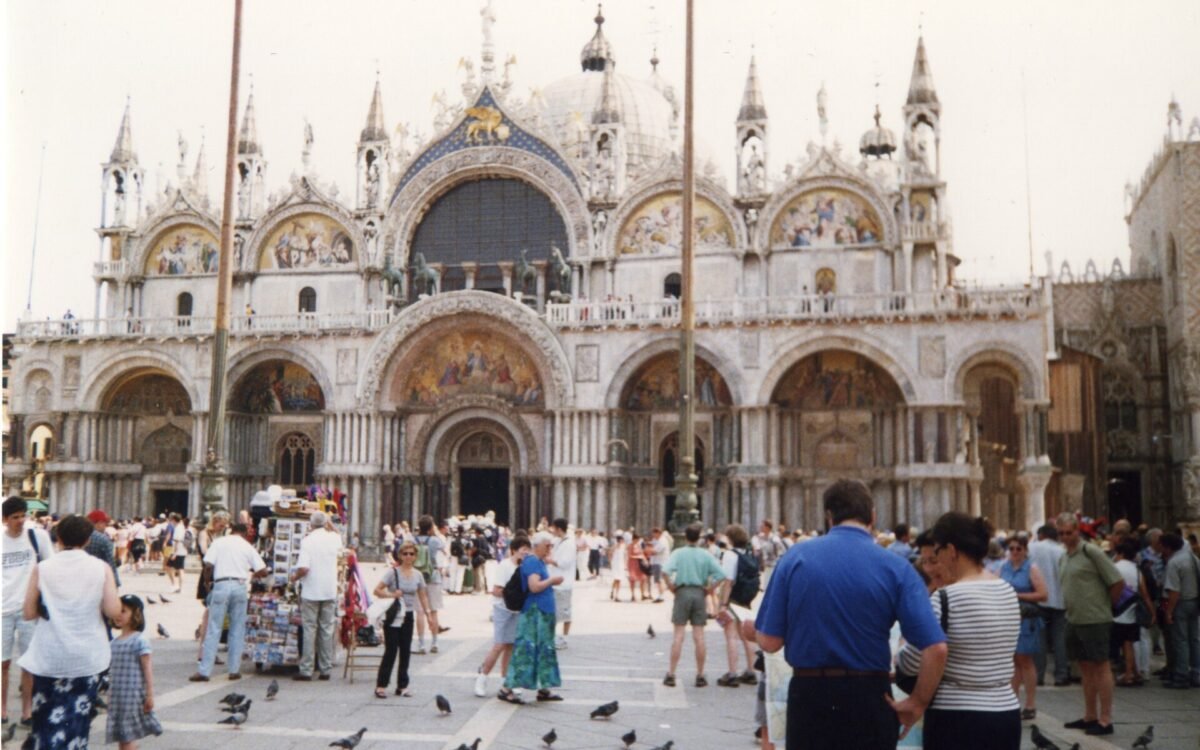
Venice runs the most closely watched experiment in overtourism management. Its access fee, the contributo di accesso, applies only to day-trippers entering the historic centre on set days.
In 2026 the fee applied on 60 days, from 3 April to 26 July, between 8:30 am and 4 pm. Visitors paid €5 if they booked at least four days ahead, or €10 if they paid later.
Overnight guests do not pay the fee at all. They already pay a separate tourist tax through their accommodation, which runs from €1 to €5 per person per night.
Children under 14, residents of the Veneto region and several other groups are also exempt. Some exempt visitors still have to register online and carry a QR code.
Fines for entering without a valid ticket run from €25 to €150, plus the €10 fee, under the current regulation.
The city reported more than €5.2 million from nearly 680,000 tickets in the 2026 trial, according to Reuters. Paying day-trippers averaged 11,326 a day, about a third fewer than in 2024.
Venice’s city executive has since approved 72 fee days for 2027, running from late March to mid-August. The mayor has floated fees of up to about €30 on the busiest days, though national law currently caps the charge at €10.
Which European cities charge the highest tourist taxes?
Barcelona now sits near the top of the European scale. Catalonia doubled its regional tourist tax on 1 April 2026, and the city surcharge rose from €4 to €5 per person per night.
Guests at five-star hotels in Barcelona now pay up to €12 per person per night in combined charges. The municipal surcharge is set to rise by €1 a year until it reaches €8 in 2029.
The money is legally earmarked for environmental and social projects, with published annual reports. Barcelona is also phasing out short-term tourist apartments by 2028.
Amsterdam takes a different route. Its tourist tax is 12.5 percent of the room price, excluding VAT, the highest percentage rate in Europe. Day cruise passengers pay a separate €15 charge.
The Dutch hotel VAT rate also jumped from 9 percent to 21 percent on 1 January 2026. Together, taxes now make up roughly a third of an Amsterdam hotel night.
Kyoto’s change is the steepest anywhere in 2026. Since 1 March, its lodging tax runs from ¥200 to ¥10,000 per person per night, set by the price of the room.
The top tier, for rooms costing ¥100,000 or more a night, rose tenfold from ¥1,000 to ¥10,000, about €57. A couple at a luxury hotel can now pay ¥20,000 a night in tax alone.
Edinburgh became the first city in the United Kingdom to levy a visitor charge. Its 5 percent accommodation levy began on 24 July 2026 and applies to the first five nights of a stay.
The city expects the levy to raise about £50 million a year by 2028-29. Stays booked before 1 October 2025 were exempt, a detail that rewarded early planners.
Greece replaced its old stayover tax with a Climate Crisis Resilience Fee on 1 January 2024. It runs from €2 to €15 per room per night in high season, and €0.50 to €4 in low season.
Cruise passengers disembarking in Greece also face a fee of €3 to €20, depending on the port. The revenue goes to a national account for natural disaster recovery.
How do timed entry systems change a visit?

Timed entry is the second half of the new system, and it changes trips more than any tax. The walk-up visit is disappearing at the world’s most famous sites.
Machu Picchu sets the pattern. Peru’s Ministry of Culture caps entry at 4,500 visitors a day, rising to 5,600 on designated high-season dates in 2026.
Tickets are sold by circuit, route and timed window, not simply by day. The classic viewpoint route sells out first, and June to August tickets need booking 10 to 12 months ahead.
The Inca Trail is tighter still. Only 500 people a day may start it, including porters, guides and cooks, which means roughly 200 trekkers. Permits release once a year, normally in the first week of October.
The Acropolis in Athens caps daily entry at 20,000 and sells hour-long timed slots. Its summer ticket costs €30, and in July and August the slots typically go five to seven days ahead.
The Louvre moved to timed tickets with a daily cap and a two-tier price: €22 for visitors from the European Economic Area and €32 for everyone else. The museum passed 9 million visitors in 2025.
Pompeii limited entry to 20,000 a day from late 2024. The Colosseum sells timed slots, with the standard ticket allowing up to 75 minutes on its first two tiers.
Do visitor taxes actually reduce overtourism?
The honest answer is: partly, and rarely on their own. A €5 or €10 fee is small next to the cost of a holiday, so it seldom stops anyone from coming.
Venice’s own numbers show the limit. Paying day-trippers fell by about a third in 2026, yet the fee set no maximum on entries, so peak days stayed crowded.
Kyoto’s top-tier tax is a different story. At ¥10,000 a night, it is large enough to change where luxury travellers stay, though it does little to thin the crowds at temples and lanes.
Revenue is where taxes clearly deliver. Hawaii’s Green Fee is expected to raise about $100 million a year for wildfire recovery, reef restoration and climate adaptation.
Edinburgh’s levy is projected at £50 million a year, and Venice raised over €5.2 million in a single trial season. The question is whether that money reaches the streets and sites it promises to protect.
Where does the money from tourist taxes go?
The stated purposes fall into three groups: city services, conservation, and crowd control. Which one dominates depends on the destination.
City services come first in Edinburgh and Barcelona, where revenue funds transport, cleaning and housing projects. Barcelona’s published reports let residents check what was spent.
Conservation leads in Hawaii, Bali and the Maldives. Hawaii’s Green Fee funds reef restoration and wildfire recovery, while Bali’s levy supports cultural preservation and environmental programmes.
Bali’s experience shows the collection problem. The island charges international visitors IDR 150,000, about $9, once per trip, yet only about a third of foreign visitors paid it in 2025.
Crowd control is Venice’s stated aim, though its fee raises money too. The city says the charge is meant to manage peak-hour crowds rather than to fill its coffers.
How should travellers plan and budget for these fees?
Start by treating visitor charges as a line in the trip budget, not a surprise at check-in. Across a week, they can add 8 to 15 percent to a trip’s cost in the most taxed destinations.
A couple spending five nights in Barcelona at a five-star hotel could now pay up to €120 in combined tourist taxes. The same stay in Amsterdam carries a 12.5 percent charge on the room rate, plus 21 percent VAT.
Book the famous sights first. Machu Picchu, the Inca Trail, the Alhambra’s Nasrid Palaces and gorilla permits need months of lead time, while the Acropolis and most European museums need days to weeks.
Watch the booking window. Venice charged €5 for early payment and €10 for late payment, so booking four days ahead literally halved the fee. Edinburgh exempted stays booked before 1 October 2025.
Carry proof. Venice issues a QR code, Machu Picchu tickets are tied to a passport, and Alhambra tickets are issued in the visitor’s name with ID checked at the gate.
Finally, check the rules again close to departure. Fees and caps changed repeatedly through 2026, and several destinations have further rises already scheduled for 2027.
What is coming next for popular destinations?
The direction is clear: more places, higher charges, tighter slots. Several destinations already have further increases scheduled for 2027.
Barcelona’s city surcharge rises by €1 a year until it reaches €8 in 2029. Vienna’s hotels are campaigning against an increase planned for 2027, and Amsterdam has discussed raising its rate further.
Thailand has delayed a 300-baht national entry fee several times, but it remains on the agenda for mid-2026. Norway has added 3 percent municipal levies in Lofoten, Tromsø and Bergen.
Japan tripled its international departure tax on 1 July 2026, from ¥1,000 to ¥3,000, for everyone leaving the country. That charge applies on top of city lodging taxes such as Kyoto’s.
The deeper shift is structural. Timed entry and named tickets are becoming the default at marquee sites, and the passport-matched ticket is now normal at Machu Picchu, the Alhambra and the Louvre.
We will keep tracking these changes in our travel news coverage. The travellers who do best are the ones who treat the fee and the slot as part of the journey, not an afterthought.
Frequently asked questions
How much is the Venice entry fee in 2026?
Day-trippers paid €5 if they booked at least four days ahead, or €10 if they paid later, on 60 set days from 3 April to 26 July 2026, between 8:30 am and 4 pm. Overnight guests, children under 14 and Veneto residents were exempt.
Which city has the highest tourist tax in Europe?
Kyoto’s top tier is the highest nightly charge, at ¥10,000 per person for rooms costing ¥100,000 or more. In Europe, Amsterdam’s 12.5 percent of the room rate is the highest percentage levy, while Barcelona charges up to €12 per person per night.
Do overtourism visitor taxes actually stop crowds?
They reduce crowds only modestly on their own, since most fees are small next to the cost of a holiday. Daily caps and timed entry cut numbers far more directly, as Machu Picchu’s hard limit shows.
What is timed entry, and which attractions use it?
Timed entry means booking a specific arrival slot instead of walking in. Machu Picchu, the Acropolis, the Louvre, the Colosseum, Pompeii and the Sagrada Família all use it, with tickets often tied to your name or passport.
How can I avoid paying tourist taxes?
You cannot negotiate a tourist tax, but you can plan around it. Travel off-season, stay outside the most taxed districts, check exemptions such as age or overnight-stay rules, and book early where early payment halves the fee, as in Venice.