Airport Security and Lounge Strategy: Global Entry, Clear, and Priority Pass
Airports in 2026 reward travellers who plan ahead. The right mix of fast-track security and lounge access can turn a stressful morning into a calm one.
This airport fast track lounge guide compares the three names that matter most: Global Entry, CLEAR and Priority Pass. Each one solves a different part of the airport journey.
Used together, they cover identity checks, security screening, customs and the wait before boarding. Used badly, they can cost hundreds of dollars for nothing.
What do Global Entry, CLEAR and Priority Pass actually do?
A security checkpoint has two steps, and the programs split the work between them. At the first step, an officer checks your ID and boarding pass.
At the second step, you and your bags are screened. CLEAR handles the first step, while TSA PreCheck changes the second one.
CLEAR is a private service, not a government program. A kiosk scans your eyes or fingerprints, confirms your identity, and a CLEAR employee walks you to the front of the queue.
Global Entry is different again. It is a US government program run by Customs and Border Protection, and it speeds up your return through US customs.
Global Entry also includes full TSA PreCheck benefits. That bundling is the main reason the two programs are always compared side by side.
Priority Pass does none of this. It is a lounge membership that buys you a quiet seat, food, Wi-Fi and sometimes a shower while you wait for your flight.
How much does each program cost in 2026?
The prices look close until you notice the billing rhythm. Two programs charge once every five years, while the other two charge every year.
| Program | Cost | Lasts | What it covers |
|---|---|---|---|
| TSA PreCheck | $79.75–$85 | 5 years | Faster security screening |
| Global Entry | $120 | 5 years | PreCheck plus US customs |
| CLEAR+ | $209–$219 | 1 year | Front of the ID-check queue |
| Priority Pass Standard | $99 + $35/visit | 1 year | Lounge access, pay per visit |
| Priority Pass Standard Plus | $329 | 1 year | 10 lounge visits included |
| Priority Pass Prestige | $469 | 1 year | Unlimited lounge visits |
Global Entry costs $120 for a five-year membership, according to NerdWallet’s comparison of the two government programs. Children under 18 are free when a parent is a member.
TSA PreCheck costs between $79.75 and $85 for five years, depending on which enrollment provider you use. Renewing online costs less, from about $58.75 to $70.
CLEAR+ is the expensive outlier. One 2026 guide puts the standard rate at $209 a year, after a rise from $199 on 1 July 2026, while another October 2026 source lists $219.
Which program should you buy first?
Start with how often you leave the country. If you fly abroad even once or twice a year, Global Entry is the best first buy.
It costs only $35 to $42 more than PreCheck alone, and it covers both checkpoints. For a domestic-only traveller, that extra money buys nothing useful.
If you never leave the country, buy TSA PreCheck on its own. It costs about $16 a year over five years and works at more than 200 US airports.
Travellers who cannot get Global Entry should know about a free option. Mobile Passport Control is a free official app that gives faster customs lanes at more than 30 airports.
It needs no appointment and no background check. It will not help at security, but it costs nothing, so it is worth having on your phone.
How does CLEAR+ work, and when is it worth it?
CLEAR+ replaces the ID check with a biometric scan. You look into a camera or touch a fingerprint reader, and an employee escorts you to the front of the screening lane.
It does not replace PreCheck. Without PreCheck, you still take off your shoes and take out your laptop. With both, you skip the ID queue and then move quickly through screening.
CLEAR+ runs at more than 55 US airports, with over 150 lanes at the busiest hubs, according to David’s Guide’s 2026 review. PreCheck works at more than 200, so check your home airport first.
If your home airport has no CLEAR lane, the membership buys nothing on most trips. That single check decides whether CLEAR+ is worth anything to you.
The cost-per-trip math is honest. At $219 a year, CLEAR+ costs about $18.25 per departure if you fly from a CLEAR airport twelve times a year.
At fifty departures it drops to about $4.38 each. Infrequent flyers pay the most per use, which is exactly backwards from how most people assume it works.
How do Priority Pass lounges work, and what do they cost?
Priority Pass is an independent lounge network that works across airlines and cabin classes. You show a digital pass at the door and walk in, whoever you are flying with.
NerdWallet’s lounge guide puts the network at more than 1,900 lounges worldwide. Other sources count closer to 1,700, so treat the total as approximate.
Coverage is uneven in practice. Big hubs have several lounges, while smaller or budget-airline airports may have none at all in your terminal.
The three direct tiers are simple. Standard costs $99 a year and charges $35 per visit, Standard Plus costs $329 with ten visits included, and Prestige costs $469 with unlimited visits.
Every tier charges $35 per guest per visit, even Prestige. A travelling partner roughly doubles your real cost unless your card-linked membership includes free guests.
The break-even points are clear. NomadGear’s 2026 cost guide finds Standard Plus beats pay-per-visit Standard past about seven visits a year, and Prestige overtakes Standard Plus past about fourteen.
How can a credit card pay for all of this?
Almost nobody should pay full price for these programs. Many premium travel cards reimburse the Global Entry fee or include lounge access as a card benefit.
Several cards carry an annual statement credit for CLEAR+ of about $209 a year. If you already hold one of those cards, CLEAR+ costs you nothing out of pocket.
Priority Pass Select is the version that comes bundled with a card rather than bought directly. The Chase Sapphire Reserve, at $795 a year, includes it with two free guests.
The Capital One Venture X, at $395 a year, also includes Priority Pass lounges. The American Express Platinum, at $895 a year, includes its own lounge collection plus Priority Pass.
Do the maths before you celebrate. A $795 card fee is not free lounge access, and a card bought only for lounges rarely pays for itself.
What are the 2026 guest rules you need to know?
Guest rules tightened sharply in 2026, and this is where most travellers get caught out. Free guests are no longer the default on premium cards.
From 1 February 2026, the personal Capital One Venture X stopped offering free Priority Pass guests. Guests now cost $35 each at Priority Pass lounges and $45 at Capital One’s own lounges.
From 8 July 2026, guests at American Express Centurion Lounges must be on the same flight as the cardholder. Guests cost $50 per adult and $30 per child.
From 15 August 2026, Chase Sapphire Lounges left the Priority Pass network entirely. Only eligible Chase cardholders get in now, with two free guests and extra guests at $27 each.
Both Capital One and American Express now require $75,000 of annual card spending to unlock limited free guest access. BestMoney’s 2026 card comparison sets out each issuer’s rules.
Check the guest column before you book a family trip. In 2026, guest fees can add more than $100 to a single lounge visit.
How do you stack the programs for the fastest airport day?
The fastest airport day uses each program for the one job it does best. Together they form a chain from the terminal door to the gate.
First, CLEAR+ gets you past the identity check at the front of the queue. Then PreCheck gets you through physical screening with your shoes on and your laptop in your bag.
If you have time before boarding, Priority Pass gets you into a lounge for food, Wi-Fi and a quiet seat. On the way home, Global Entry gets you through US customs.
Watch the entry windows. Chase Sapphire Lounges admit you within three hours of departure, and Centurion Lounges do the same, so arriving too early buys no extra lounge time.
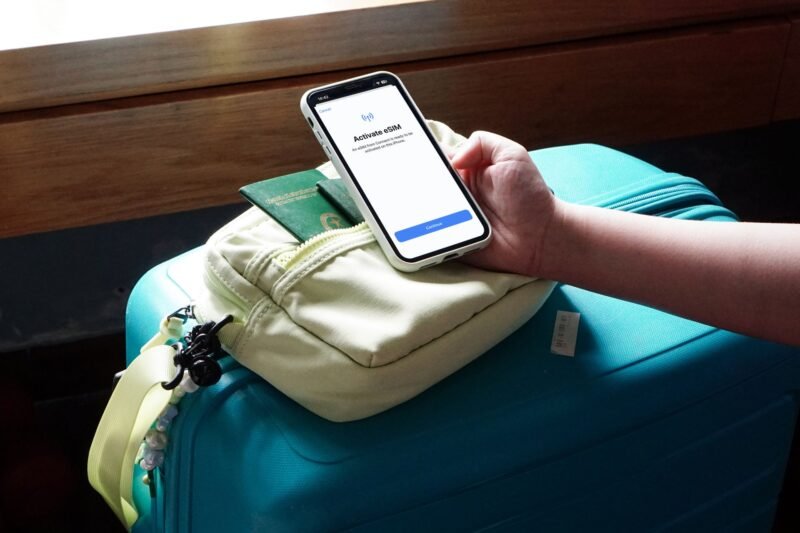
Keep your digital passes ready before you travel. Priority Pass now runs through its redesigned app, and most card-linked memberships need activation before the first visit.
For more ideas on planning a smooth trip, see our travel tips and travel guides before you book your next flight.
What mistakes waste the most money?
The most expensive mistake is buying CLEAR+ at an airport that has no CLEAR lane. Always check the current airport list before you pay.
The second is buying the top Priority Pass tier for four visits a year. Prestige only beats Standard Plus once you pass about fourteen visits, so count your trips first.
The third is paying the full CLEAR+ sticker price. Airline status and card credits cut the price sharply, and some travellers get it free through a card they already hold.
The fourth is forgetting to enrol. Priority Pass through a card is not automatic on every card, and an unactivated membership is useless at the lounge door.
Finally, never buy two programs that do the same job. Global Entry already includes PreCheck, so buying both is paying twice for the same benefit.
You can find more practical advice in our Travel section and the latest travel news before your next trip.
How do you apply, and how long does approval take?
TSA PreCheck is the quickest to start. The online application takes about five minutes, then you visit an enrollment centre for fingerprints and a photo.
Most applicants receive their Known Traveler Number in three to five days, though some applications can take up to 60 days. Apply well before your trip.
Global Entry takes longer. You create a Trusted Traveler Programs account, complete the application and pay the fee, then wait for a background check.
If you are conditionally approved, you must attend an in-person interview at an enrollment centre. First-time members cannot skip this step, and the $120 fee is not refunded if you are turned down.
CLEAR+ is the fastest to join. You can enrol at an airport kiosk, and your membership works the same day. That speed is part of what the annual fee buys.
Renewal is kinder than it used to be. The Global Entry renewal grace period has grown from six months to 24 months if you apply before your membership expires.
Frequently asked questions
Is Global Entry worth it if I only fly domestically?
No. Global Entry’s extra benefit is faster US customs on international arrivals, so a domestic-only traveller gains nothing over TSA PreCheck alone.
Does CLEAR+ replace TSA PreCheck?
No. CLEAR+ only skips the identity-check queue. PreCheck is what speeds up the physical screening, so the two work as a pair rather than as substitutes.
How many Priority Pass visits do I need to break even?
Standard Plus beats pay-per-visit Standard past about seven visits a year. Prestige only beats Standard Plus once you pass about fourteen visits a year.
Can I bring guests into a lounge for free in 2026?
Sometimes, but the rules tightened in 2026. Direct Priority Pass tiers charge $35 per guest, and most premium cards now need $75,000 of annual spending for free guests.
What is the cheapest way to get lounge access?
Check your cards first, since many premium cards include Priority Pass or a lounge credit. If none do, a Standard Plus membership is the cheapest direct route for regular travellers.