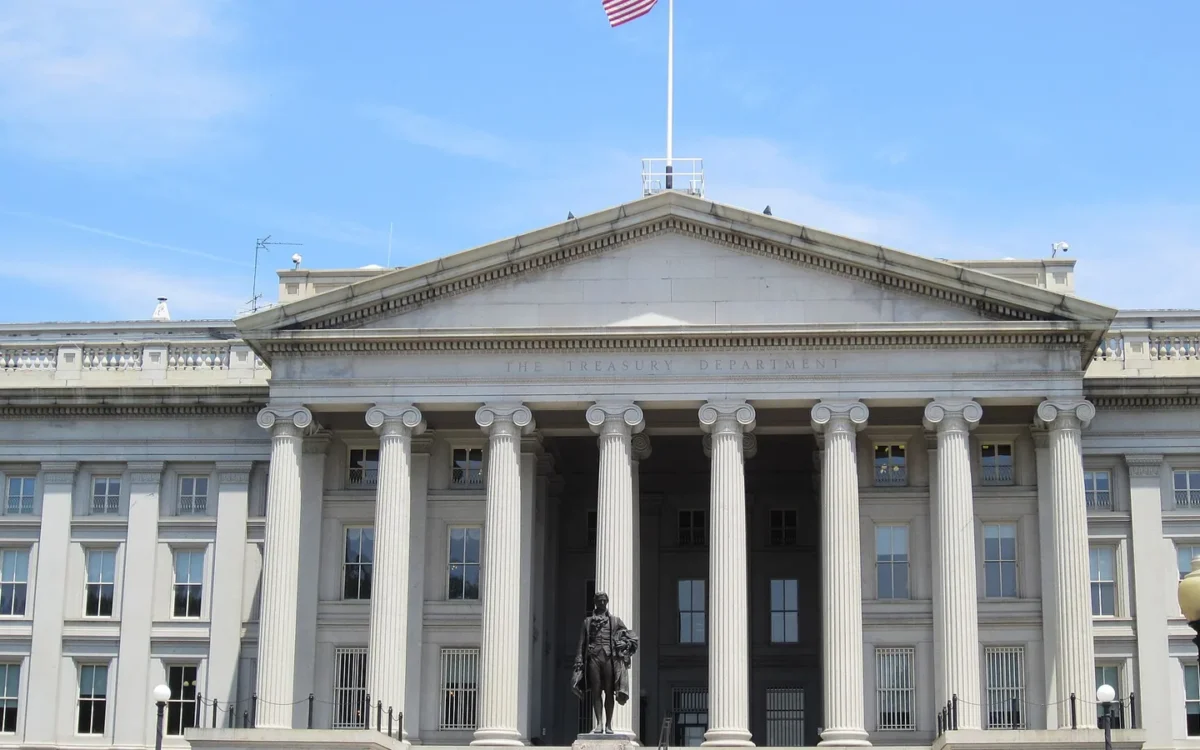
The Financial Crimes Enforcement Network — FinCEN, the Treasury Department’s financial intelligence unit — is investigating a cybersecurity incident after an unauthorised party gained access to a limited subset of its systems. Some systems have been taken offline as a precaution, and a notice about the FinCEN cybersecurity incident was posted to its filing portal on 25 November.
FinCEN has not said how the intruder got in, how long the systems will be down, or who was behind it. The FBI, the Cybersecurity and Infrastructure Security Agency (CISA) and third-party forensic examiners are working to determine the scope and impact. It has also not said whether any data was taken or altered.
What happened in the FinCEN cybersecurity incident?
What is known so far is narrow. An unauthorised party gained access to a limited subset of FinCEN’s systems, and the agency took some of those systems offline as a precaution while the incident is investigated. The notice appeared on the BSA E-Filing System portal, the site through which financial institutions file their reports.
What is not known is wider. CyberScoop, which first reported the incident, said FinCEN did not say how the intruder gained access, how long the systems would be offline, or who was responsible. The agency is working with the FBI, CISA and outside forensic examiners to establish the scope — a process that, in incidents like this, usually takes days or weeks rather than hours.
What is FinCEN, and why does it matter?
FinCEN is the part of the Treasury that collects and analyses financial intelligence. Its main tool is the BSA E-Filing System, the portal for the Bank Secrecy Act of 1970 — the law that forms the backbone of US anti-money-laundering rules.
Under that law, banks, credit unions, brokerages, casinos and other financial institutions must file suspicious activity reports, known as SARs, and currency transaction reports. Those reports feed a database that supports criminal, tax and national-security investigations. When the system that collects them is disrupted, the flow of that information slows — and investigators lose a source they rely on every day.
In practice, those reports support criminal, tax and national-security investigations, so a disruption to the filing system matters to law enforcement as well as to the institutions that file the reports. That is why an incident at FinCEN matters beyond the agency itself. It does not hold the public’s money, but it holds the records that show where money moves — and who moves it.
What is still working?
The filing website remains operational, though some services are temporarily unavailable, and deadlines have been extended for affected filers. The Financial Institutions Hotline is unaffected and available to expedite SAR information to law enforcement.
There is also one piece of good news so far: as of today, there is no evidence that the beneficial ownership databases were breached. Those registers — which record who really owns companies — are among the most sensitive records FinCEN holds, and their apparent safety is the most important detail in an otherwise thin picture.
Is this connected to the CIA breach?
It is not known to be related. The FinCEN incident came to light the same day as the CIA cybersecurity breach, in which an unclassified intelligence network was compromised. Officials have not said the two incidents are connected, and they may turn out to be coincidence — two separate intrusions disclosed in the same week.
But the pattern is hard to ignore. A single router failure disrupted air traffic control earlier this month, and the mass Optimizely supply-chain hack showed how one weak link can expose many victims at once. Government systems are now being hit with the same regularity as private ones.
What happens next?
FinCEN says it is working to return its systems to normal as soon as possible. Filers who cannot complete a report should keep their records and use the extended deadlines, and use the hotline for anything urgent — the system is designed to keep the most time-sensitive reports moving even while other services are down.
The questions to watch are straightforward: whether any data was taken or altered, how long the affected systems stay offline, and whether the incident turns out to be linked to the CIA breach or to the other government incidents disclosed this week.
Until those questions are answered, the picture is limited to what FinCEN has said: a limited set of systems was accessed, some are offline as a precaution, filings continue, and the most sensitive databases show no sign of a breach. For an agency whose job is to follow the money, the next step is to establish exactly what happened to its own.
Frequently Asked Questions
What is FinCEN?
The Financial Crimes Enforcement Network is the US Treasury Department’s financial intelligence unit. It collects and analyses reports on suspicious financial activity under the Bank Secrecy Act.
What happened in the FinCEN cybersecurity incident?
An unauthorised party gained access to a limited subset of FinCEN’s systems. Some systems were taken offline as a precaution, and a notice was posted to the BSA filing portal on 25 November.
Was any data stolen?
FinCEN has not said whether any data was taken or altered. There is no evidence so far that the beneficial ownership databases were breached.
Can banks still file reports?
Yes. The filing website remains operational, though some services are temporarily unavailable and deadlines have been extended for affected filers. The Financial Institutions Hotline is unaffected.
Is it linked to the CIA breach?
It is not known to be related. The two incidents were disclosed the same day, and officials have not linked them.
Sources
- CyberScoop — FinCEN investigates cybersecurity incident, takes systems offline — https://cyberscoop.com/fincen-investigates-cybersecurity-incident-systems-offline/