Northern Italy Beyond Venice and Milan: Dolomites, Bologna, and Lake Como
Most visitors to northern Italy follow the same two stops: Venice and Milan. Both are worth a visit, but they are only a small part of the region.
This Northern Italy travel guide shows how to link those three places into one trip. It covers the best hikes, the dishes to order, the ferries to catch and the costs to expect.
Why should you look beyond Venice and Milan?
Venice is struggling with its own popularity. The city recorded about 5.86 million arrivals and 12.93 million overnight stays in 2025, according to its municipality.
Day visitors add far more. Roughly 30 million people visit Venice each year, many without staying overnight, according to Time Out. Travel Binger’s guide to skipping Venice lists quieter towns nearby.
The city now charges some day visitors just to enter. The 2026 access fee costs 5 euros if booked online in advance and 10 euros on the day.
Milan has the opposite problem: it is a working city of fashion and finance, not a slow holiday town. A day or two there is plenty for most travellers.
The Dolomites, Bologna and Lake Como offer what both cities lack: space, quiet mornings and food that locals actually eat. They sit within a few hours of each other by train and road.
How should you plan a Northern Italy trip?
Start by choosing your order, not your dates. A simple loop runs Milan to Lake Como, then east to the Dolomites, then south to Bologna.
Trains connect the cities well. Milan to Bologna takes roughly one hour, and Bologna to Venice takes about 90 minutes, according to Italy Traveler.
Lake Como is 40 minutes from Milan by train. The Dolomites need a car or a train-plus-bus combination, so plan them as a separate block.
Do not try to base the whole trip in one place. The Dolomites are not one compact trail network, and a route that looks close on a map can need a mountain pass or a lift.
Split your nights instead. Two nights at Lake Como, three or four in the Dolomites and two in Bologna makes a comfortable week.
What are the best Dolomites hiking routes?
The Dolomites are a UNESCO-listed limestone range across South Tyrol, Trentino and Belluno. The classic hikes are day walks, not climbs, and most need no technical gear.
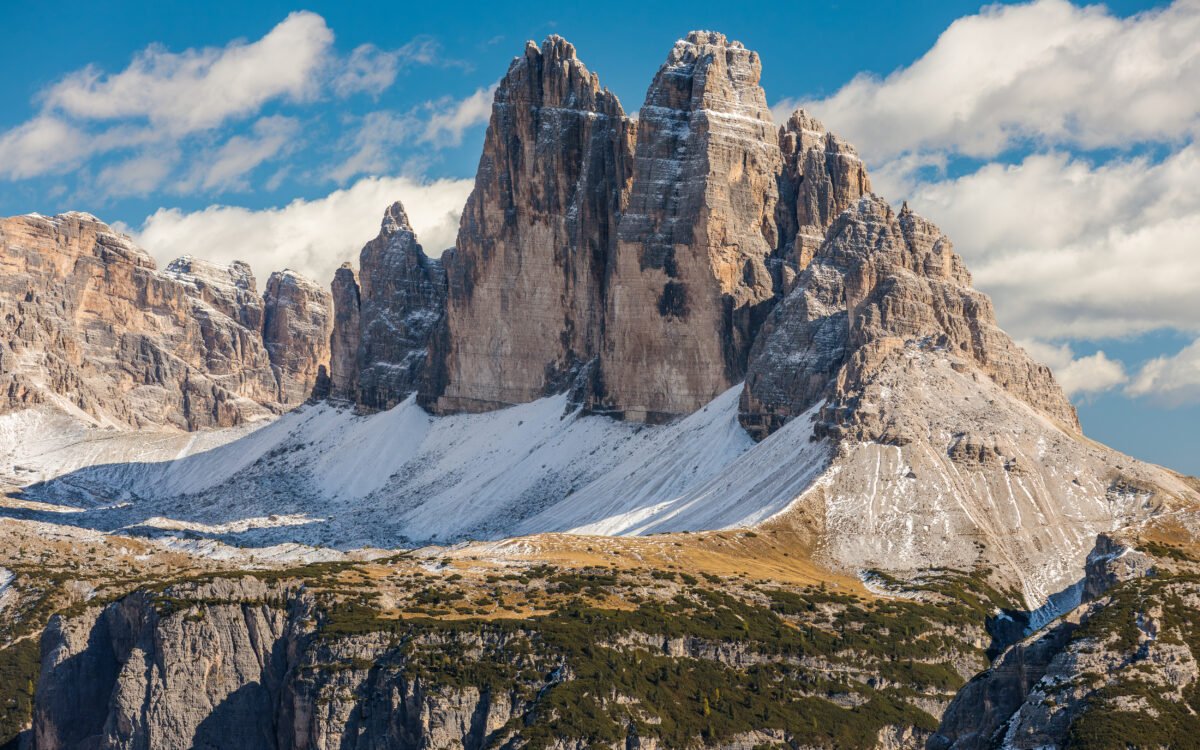
The best first hike is the Tre Cime di Lavaredo loop. It runs about 9 to 10 kilometres and takes roughly three to four and a half hours, according to Global Summit Guide.
The loop starts at Rifugio Auronzo and passes several mountain huts. It is the busiest trail in the range, so start early in July and August.
Driving to the trailhead now needs a mandatory online reservation for the toll road. The 2026 fee is 40 euros for cars, 26 euros for motorcycles and 60 euros for camper vans, per Voyage Magazine’s 2026 trail notes.
Seceda is the best lift-assisted day. A cableway runs from Ortisei up to the ridgeline, where a sawtooth cliff edge drops over green meadows.
The main Seceda lifts ran from 22 May to 2 November in 2026, according to Global Summit Guide. The walk itself is easy to moderate, with options from short strolls to longer routes.
Alpe di Siusi suits a slow day. It is Europe’s largest high alpine meadow, and its flat paths work well for families and tired legs.
Lago di Braies is the easiest reward. The loop around the turquoise lake is about 3.5 to 4 kilometres and takes one to two hours.
Serious walkers should look at the Alta Via 1. The point-to-point trek runs about 120 to 125 kilometres and takes eight to twelve days, hut to hut.
| Hike | Distance | Time | Difficulty |
|---|---|---|---|
| Tre Cime di Lavaredo loop | 9–10 km | 3–4.5 hours | Moderate |
| Seceda ridgeline | Route-dependent | Flexible | Easy–moderate |
| Alpe di Siusi meadows | Flexible | 2 hours to full day | Easy |
| Lago di Braies loop | 3.5–4 km | 1–2 hours | Easy |
| Alta Via 1 | 120–125 km | 8–12 days | Moderate–hard |
Base yourself in two towns, not one. Cortina d’Ampezzo covers Tre Cime, Cinque Torri and Lago di Sorapis, while Ortisei covers Seceda and Alpe di Siusi.
Book huts months ahead for the Alta Via 1. For day hikes, check lift dates and parking rules before you travel, as access rules have tightened in recent years.
How do you eat your way through Bologna?
Bologna is widely called the food capital of Italy. It sits at the centre of Emilia-Romagna, the country’s richest food region, and its nickname is La Grassa, “The Fat”.
Start with three dishes. Tagliatelle al ragù, tortellini in brodo and Mortadella Bologna IGP are the ones to try first, according to Bologna Bites.
Tagliatelle al ragù is the dish the world gets wrong. There is no spaghetti bolognese here; the slow meat sauce clings to wide ribbons of fresh egg pasta.
The updated ragù recipe was deposited with the Bologna Chamber of Commerce in 2023. It uses beef, fresh pork pancetta, soffritto, wine, tomato and stock.
Tortellini in brodo is the festive dish. Tiny pasta parcels are stuffed with pork loin, prosciutto, mortadella and Parmigiano, then served in a clear capon broth.
Cream sauce on tortellini was invented for export. In Bologna, ordering it is a mistake locals will notice at once.
Mortadella Bologna IGP is a protected pork product with a smooth texture and visible cubes of white fat. Try it freshly sliced at a salumeria or in a simple panino.
Then move on to lasagne verdi, crescentine fritte and cotoletta alla Bolognese. The lasagne uses green spinach pasta layered with ragù, béchamel and Parmigiano.
The Quadrilatero is the easiest place to eat well. Its four medieval streets have been Bologna’s food market since the Middle Ages.
Delis, cheese shops and salumerie line Via Drapperie, Via Pescherie Vecchie, Via Caprarie and Via degli Orefici. Eat lunch standing at a counter, as locals do.
Prices are fair for the quality. A plate of tagliatelle al ragù costs roughly 10 to 16 euros, tortellini in brodo 10 to 15 euros and cotoletta 14 to 20 euros, according to Food You Should Try.
A guided food tour is worth it on a first visit. It lets you try several dishes in one walk while a guide explains what you are eating.
What is the best Lake Como itinerary?
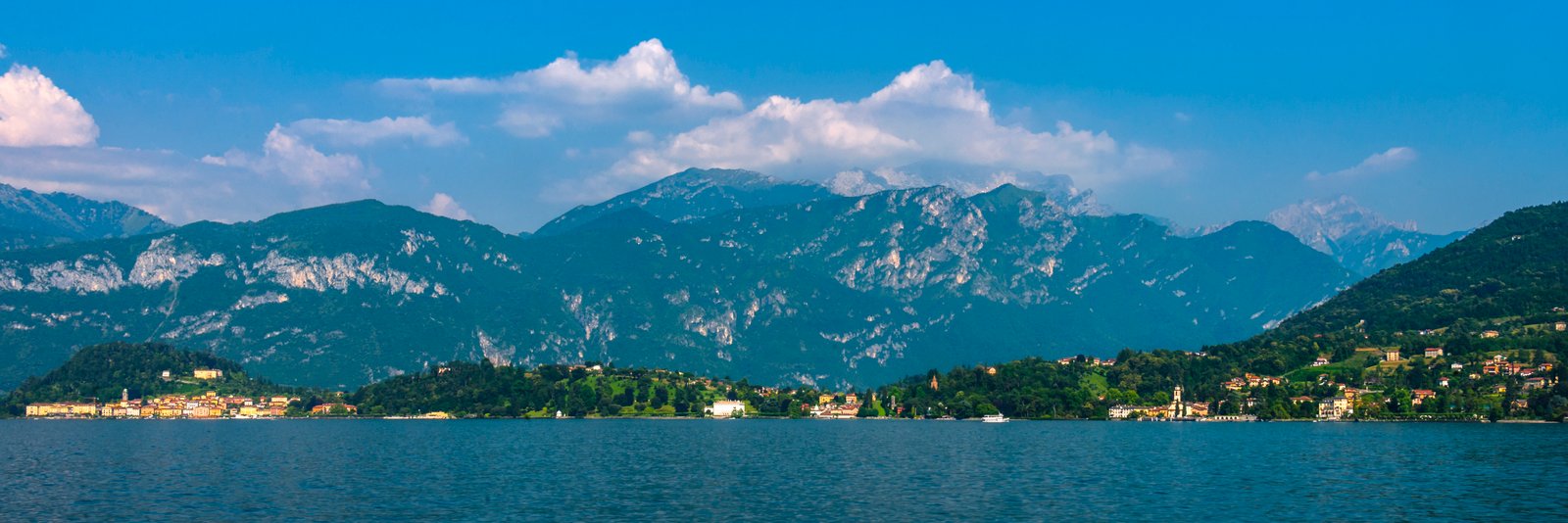
Lake Como is a Y-shaped lake in Lombardy, ringed by steep green hills and small towns. The best way to see it is by ferry, not by car. A five-day Lake Como itinerary covers Como, Bellagio, Varenna, Menaggio and Lenno.
Start in Como town. Take the train from Milan, which costs about 4.80 euros each way and takes 40 minutes, according to Visit Italy’s three-day Lake Como plan.
Ride the funicular up to Brunate for the view over the lake. A return ticket cost about 6.50 euros in 2026, and the ride takes around seven minutes.
Then take a fast ferry to Bellagio. The crossing from Como takes about 60 minutes, so aim for a morning departure before the day-trippers arrive.
Bellagio is known as the pearl of the lake. Walk up the Salita Serbelloni for the postcard view, then visit the gardens of Villa Melzi.
Entry to Villa Melzi cost about 8 to 10 euros in 2026. The gardens are quietest before 11 in the morning, so go early and allow 45 minutes.
From Bellagio, take the slow ferry to Varenna. The crossing takes about 15 minutes and runs roughly every hour.
Varenna is smaller and calmer than Bellagio. Walk the lakeside path known as the Walk of Lovers, then climb to the castle ruins above the town.
The path is steep and takes about 20 minutes. Entry to the castle cost about 4 euros, and the view over the lake is better than from any villa.
A 24-hour ferry pass cost about 18 euros per person in 2026, while a 72-hour pass cost about 52 euros, according to Visit Italy’s two-day Lake Como guide.
Ferry schedules change by season, so check departures the night before. The last ferry from Bellagio to Como runs at around 19:30 in July.
If you have a third day, walk the Greenway del Lago. The 10-kilometre trail runs along the lake from Lenno to Colonno, past villas and small villages.
Avoid Bellagio on Saturdays in July and August. The ferries are packed, so a Tuesday or Thursday visit is far calmer.
When is the best time to visit Northern Italy?
June and September are the preferred planning windows for a mixed trip, according to Travel Highlights. June gives longer days, while September is calmer.
Late spring and early autumn suit cities and lakes best. Daytime temperatures range from 18 to 25 degrees Celsius, avoiding the humid summer heat of the Po Valley.
July and August are strongest when the Dolomites are the priority. Lifts, huts and high routes are open, but cities and lakes need more crowd planning.
For hiking, the season runs from late June through September, when snow has melted from high trails. Afternoon storms can still disrupt mountain days.
September and early October are excellent for food-focused travel. Harvest season brings calmer lakes, clearer air and the truffle and wine festivals of Piedmont and Emilia-Romagna.
Winter shifts the focus to skiing. Cortina d’Ampezzo and Val Gardena are top ski towns, while the lowlands turn cold, damp and foggy.
How much does a Northern Italy trip cost?
Northern Italy is not cheap, but it rewards travellers who book early and stay outside the most famous towns. Prices below are 2026 estimates from travel guides.
A typical central three-star hotel might start at around 160 to 220 euros per night for a double in high season, according to Italy Traveler.
A lake-view room in a mid-range hotel in Bellagio can reach 220 to 300 euros per night in May or September. Simpler stays in Como town may be closer to 140 to 190 euros.
In the Dolomites, many comfortable three-star hotels start at around 180 to 250 euros per night including half board in July and August.
Food is where Bologna saves you money. A full osteria lunch with pasta, wine and coffee often costs less than a single main course in Venice.
Trains are the cheapest way between cities. The Milan to Como train costs about 4.80 euros, and the Varenna to Milan train takes about one hour and five minutes.
Budget roughly 150 to 250 euros per person per day for a comfortable mid-range trip, including a hotel, meals, transport and one paid sight a day.
Prices change often, so check current fares and hotel rates before you book. The figures above are a starting point, not a guarantee.
What should you pack and know before you go?
Pack for three climates in one bag. The Dolomites are cool even in summer, Bologna is hot, and Lake Como evenings can turn chilly.
Bring proper walking shoes for the mountains. Trails are well marked, but they are rocky, and afternoon rain can make them slippery.
Carry cash in small towns. Some funiculars and small restaurants still take cash only, and card machines fail in mountain huts.
Learn a few Italian phrases. English is widely spoken in hotels, but in Bologna’s markets and Dolomites huts, a greeting in Italian opens doors.
Book the big things early. Tre Cime road access, popular villas and mountain huts all sell out in peak season.
Leave space in your plan for a slow day. The best moments in northern Italy are unplanned: a long lunch in Bologna, a quiet ferry at dusk, a meadow walk with no agenda.
For more ideas on planning slow, well-paced trips, see our Travel Guides and the wider Travel section, plus the latest News for travel updates.
FAQ
How many days do you need for Northern Italy?
Seven to ten days is the sweet spot. Two nights at Lake Como, three or four in the Dolomites and two in Bologna covers the three highlights without rushing.
Is the Dolomites trip possible without a car?
Yes, with planning. Trains run to Bolzano and Dobbiaco, and seasonal buses reach trailheads like Rifugio Auronzo. A car is easier, but public transport works for the main hikes.
What is the best base town on Lake Como?
Como town suits transport links, Varenna suits quiet romance, and Bellagio suits scenery and luxury. For a first visit, Como town or Varenna are the calmest choices.
Is Bologna worth visiting if you are not a foodie?
Yes. Bologna has the world’s oldest university, miles of UNESCO-listed porticoes and a lively student atmosphere. The food is a bonus, not the only reason to go.
Do you need to book Lake Como ferries in advance?
No, for standard ferries. Buy a 24-hour or 72-hour pass at the ticket office in Como before 9 in the morning, as the queue grows to 30 minutes by 10.