The Ultimate First-Timer’s Guide to Japan: Tokyo, Kyoto, and Osaka Itinerary
Japan rewards first-timers who slow down. It punishes those who try to see everything in a week.
This Japan travel itinerary guide follows the classic Golden Route: Tokyo, Kyoto and Osaka, in one straight line, over ten days.
It is the route most experienced travel writers recommend for a first trip. You fly into Tokyo and home from Osaka, so you never backtrack.
The plan below gives you four nights in Tokyo, three in Kyoto, two in Osaka, and one night in Hakone. It covers the sights that matter, the trains that connect them, and the rules that keep you out of trouble.
How many days do you need in Japan?
Seven days is the minimum for Tokyo and Kyoto. Ten days is the sweet spot for a first trip.
Ten days lets you see three cities without sprinting. You get three full days in Tokyo, three in Kyoto, and a proper day in Osaka.
Shorter trips force hard choices. With five days, you see Tokyo and one day trip. With seven, you add Kyoto but rush both cities.
The classic route works because Japan’s trains make it easy. The bullet train from Tokyo to Kyoto takes about two hours and fifteen minutes, so the one-way route beats a loop.
What does the 10-day Tokyo–Kyoto–Osaka route look like?
The shape is simple: fly into Tokyo, travel west, fly home from Osaka. Most guides agree on this shape.
Honto Japan’s 10-day Golden Route plan splits the trip into four nights in Tokyo, one in Hakone, three in Kyoto and two in Osaka.
YoNihon takes a similar line, with four nights in Tokyo, four in Kyoto and one in Osaka, flying home from Kansai Airport.
| Day | Base | Main plan |
|---|---|---|
| 1 | Tokyo | Arrive, settle in, early night |
| 2 | Tokyo | Asakusa, Ueno and Akihabara |
| 3 | Tokyo | Harajuku, Meiji Shrine, Shibuya |
| 4 | Tokyo | Mount Fuji day trip or free day |
| 5 | Hakone | Hot springs and a ryokan night |
| 6 | Kyoto | Shinkansen transfer, Higashiyama |
| 7 | Kyoto | Fushimi Inari at dawn, Arashiyama |
| 8 | Kyoto | Nara day trip, evening in Gion |
| 9 | Osaka | Osaka Castle, Dotonbori at night |
| 10 | Osaka | Last morning, fly home from KIX |
Book your flights open-jaw if you can. Into Tokyo’s Haneda or Narita, and home from Kansai International Airport near Osaka.
Haneda is closer to central Tokyo than Narita. Narita often has cheaper fares, so check both before you decide.
What should you do in Tokyo?
Tokyo is not one city. It is several cities stacked together, and each district has its own character.
Treat your arrival day as a half day. Jet lag eats the first day, so keep it light and sleep early.
Day two belongs to east Tokyo. Start at Senso-ji temple in Asakusa before the crowds arrive, then walk to the Tsukiji Outer Market and eat your way through the stalls.
Day three is the west side. Walk through Meiji Jingu shrine in the morning, then explore Harajuku’s side streets and Shibuya.
Cross Shibuya Crossing at dusk, when the neon comes on. Then take the lift to Shibuya Sky for the view over the city.
Book Shibuya Sky exactly 14 days ahead. Timed tickets sell out, and the rooftop is the best view in Tokyo.
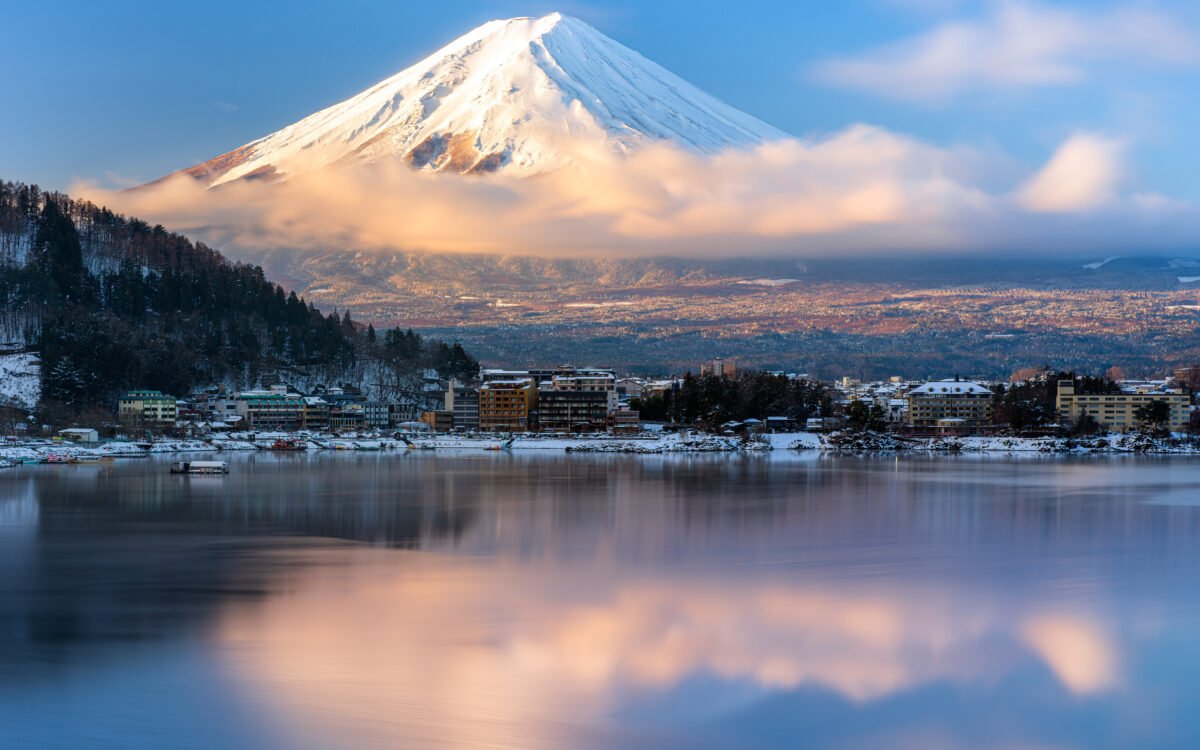
Day four is your flex day. Take a Mount Fuji day trip to the Fuji Five Lakes, or stay in Tokyo and explore at your own pace.
Our Travel Guides section covers more city-by-city routes like this one, including slower Tokyo itineraries for travellers with extra days.
What should you do in Kyoto?
Kyoto has one rule: go early. The famous sites are transformed at 7am and mobbed by 10am, so set an alarm and start before the crowds.
Arrive from Hakone by bullet train on day six. Spend the afternoon in Higashiyama, walking the lanes of Ninenzaka and Sannenzaka to Kiyomizu-dera temple.
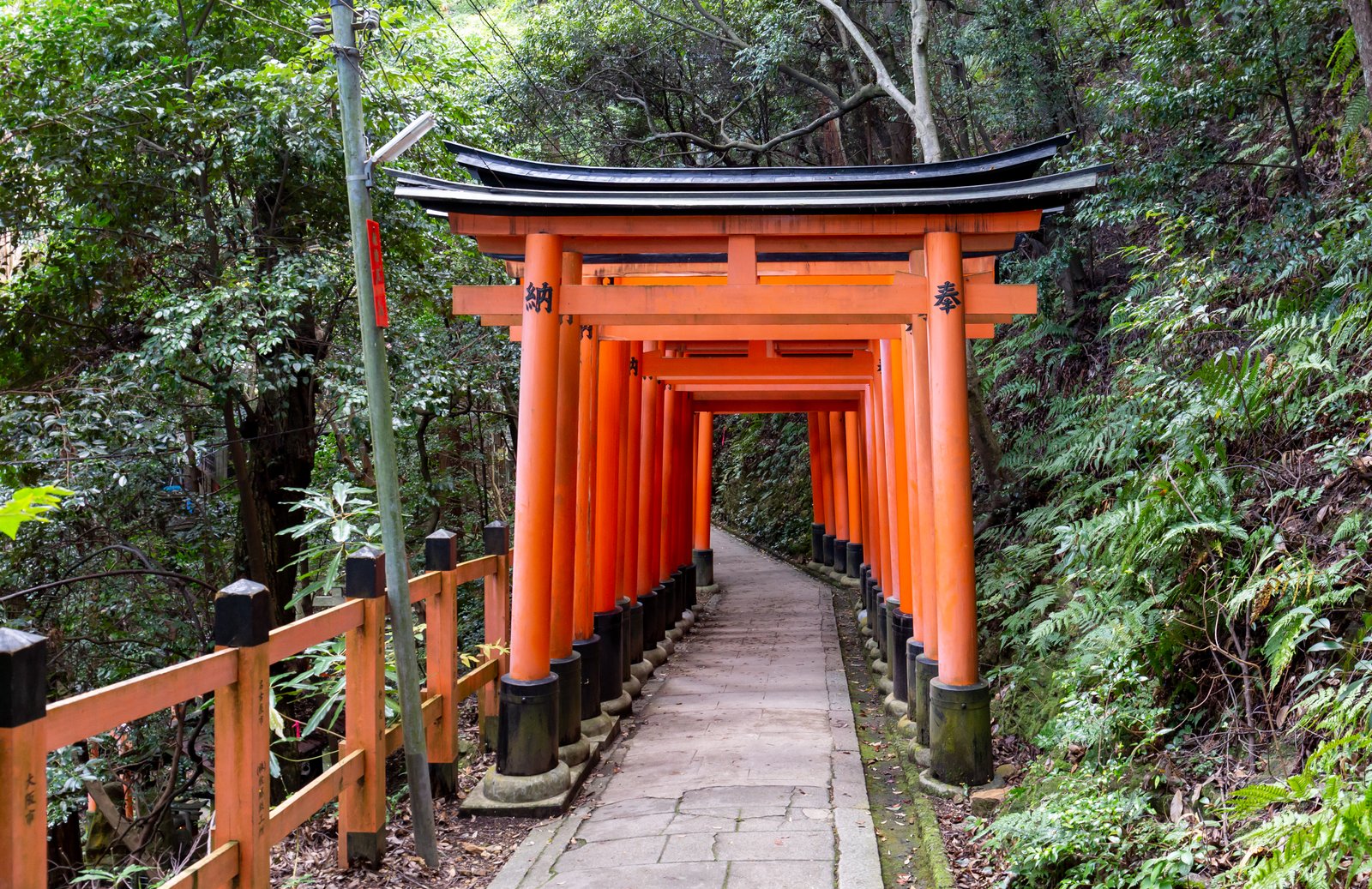
Day seven starts at Fushimi Inari before dawn. The shrine is open 24 hours, and the torii tunnels are empty at sunrise.

Spend the afternoon in Arashiyama. The bamboo grove is busiest at midday, so visit Tenryu-ji temple first and the grove later.
Day eight is your Nara day trip. The bowing deer and the Great Buddha are under an hour from Kyoto by train.
Return to Kyoto for the evening in Gion. Walk Hanamikoji Street at dusk, when the lanterns come on and the district feels like another century.
Gion is a working district, not a theme park, and the women in formal dress are geiko and maiko on their way to appointments.
Since April 2024, Gion’s private lanes have been closed to visitors. Signs warn of fines of up to ¥10,000 for entry or unauthorised photography there.
What should you do in Osaka?
Osaka is Japan’s street food capital. It is louder, funnier and more relaxed than Tokyo or Kyoto.
Kyoto to Osaka is the easiest hop in Japan. JR Special Rapid trains run about every 15 minutes and take roughly 30 minutes to Osaka Station.
The fare is ¥580, with no reservation needed, according to YoNihon’s route guide. That is the kind of local train that makes the Kansai region so easy.
Start day nine at Osaka Castle in the morning, then head to Kuromon Market for lunch. It is smaller than Tokyo’s markets and easier to navigate.
Spend the evening in Dotonbori. The canal, the neon signs and the food stalls are Osaka at its loudest and most generous.
Try takoyaki and kushikatsu from the stalls. Eat standing up, like the locals do, and keep moving between vendors.
Day ten is a slow morning and the airport. Kansai International Airport is about an hour from central Osaka by train.
How do you get around Japan without overspending?
The Japan Rail Pass used to be automatic advice. Since the October 2023 price rise, it is a calculation, not a default.
The 7-day ordinary pass costs ¥50,000 through the official booking site. Passes bought through overseas agencies cost ¥53,000 from 1 October 2026.
Before October 2023, the same pass cost ¥29,650. The 14-day pass is ¥80,000, and the 21-day pass is ¥100,000, according to Migaku’s 2026 comparison.
For this itinerary, the national pass usually costs more than single tickets. The Tokyo to Kyoto bullet train costs about ¥13,850 one way on a Hikari service.
Add the Kyoto to Osaka hop at ¥580, and your long-distance rail comes to far less than ¥50,000. The pass only pays off on much longer routes.
The fastest Nozomi trains are excluded from the pass, so holders ride the slower Hikari instead. There is a supplement for Nozomi trains: ¥4,960 from Tokyo to Kyoto, according to Takara Trails’ 2026 guide.
For most first-timers, the better system is simple. Buy single bullet train tickets, and use an IC card on your phone for everything local.
Suica and PASMO cards work on trains, buses and convenience stores across Japan. Load one on your phone before you land.
If your trip stays in one region, look at regional passes. The Kansai Wide Area Pass costs ¥12,000 for five days and covers Kyoto, Osaka, Nara and Himeji.
The JR Tokyo Wide Pass costs ¥16,000 for three days and covers Nikko, Mount Fuji and Karuizawa from Tokyo. It suits a Tokyo-based trip with day trips.
When is the best time to visit Japan?
For most first-timers, the answer is late October to early December. Mild days, settled weather and the autumn leaves make it the best overall window.
Tokyo’s average high is 16.7°C in November, with rain falling to 96 mm, according to The Japanese Way’s month-by-month guide. Autumn colour peaks in Tokyo and Kyoto in that window.
Spring is the famous choice. Cherry blossom runs from late March to early April in Tokyo, Kyoto and Osaka.
Tokyo’s normal full-bloom date is 31 March, on Japan Meteorological Agency averages. In 2026, the bloom peaked on 28 March, three days ahead of average.
Japan welcomed a record 42.7 million international visitors in 2025, according to JNTO figures. April was the busiest month, with 3.91 million arrivals.
February was the quietest, with 3.26 million. The gap between the busiest and quietest months is only about 20%, so Japan is never really empty.
Avoid the holiday rushes if you can. Golden Week runs from 29 April to 5 May, Obon falls in mid-August, and New Year runs from around 29 December to 3 January.
Summer is the hardest season for first-timers. June to mid-July is the rainy season, and August brings heat, humidity and typhoons.
Winter is the value pick. January and February are cold but dry, with clear skies and the best views of Mount Fuji.
Our Travel section has more seasonal guides to help you plan around the weather and pick the right month.
How much does a first trip to Japan cost?
A moderate 10-day trip costs roughly ¥200,000 to ¥280,000 per person, excluding international flights, according to Japan Atlas.
That covers mid-range hotels, rail, food and entry fees. It works out to about $1,350 to $1,900 at recent exchange rates.
Hotels are the biggest cost. Budget ¥10,000 to ¥18,000 a night for a double room in Tokyo or Kyoto, and ¥8,000 to ¥15,000 in Osaka.
A night in a ryokan costs more: ¥20,000 to ¥40,000 per person with meals. It is worth one night, in Hakone, for the experience alone.
Kyoto added a new cost in 2026. From 1 March, its accommodation tax runs from ¥200 to ¥10,000 per person per night, depending on the room rate, according to TabiCalc’s Kyoto guide.
Most mid-range rooms fall in the ¥400 or ¥1,000 band. The top rate applies only to rooms costing ¥100,000 or more per person per night.
From 1 April 2027, Tokyo’s hotel tax becomes 3% of the room-only rate, with rooms under ¥13,000 per person per night exempt, according to JapanPrep.
What cultural etiquette should first-timers know?
Japanese etiquette comes down to one idea: do not inconvenience other people. The rules all flow from that.
Shoes come off at the genkan, the sunken entrance of homes, ryokan inns, temples and some restaurants. Step onto the raised floor, not onto the entrance tiles in your socks.
Trains are close to silent. Put your phone on silent, take no calls, and keep conversation low. Eating while walking is also frowned upon.
There is no tipping anywhere in Japan. Service is included, and staff may chase you to return money left on a table.
At the table, say “itadakimasu” before eating and “gochisosama deshita” as you leave. Never stand chopsticks upright in rice.
That gesture echoes a funeral rite, and so does passing food from chopstick to chopstick. Both are genuinely offensive, not just impolite.
At a shrine, bow once at the torii gate and walk along the edge of the path. The centre is reserved for the kami, the spirits of the shrine.
Before entering an onsen, wash thoroughly at the shower stools. Swimwear is not worn, and the small towel never goes in the water.
Tattoos still carry an association with organised crime, and some baths, pools and gyms do not admit people who have them. Attitudes are relaxing.
A small tattoo can often be covered with a skin-coloured patch. Some onsen are openly tattoo-friendly, and a private bath avoids the question entirely.
The Japan National Tourism Organization’s etiquette guide is a good pre-trip read. It covers bowing, shoes, onsen rules and useful phrases in plain language.
What should you book before you fly?
Several headline attractions cannot be bought on the day. Work through this list as soon as your flights are fixed.
Ghibli Museum tickets in Mitaka are reservation-only. They go on sale at 10am Japan time on the 10th of the month before your visit.
Shibuya Sky sells timed tickets exactly 14 days ahead, from midnight Japan time. Book the sunset slot if you can get it.
Bullet train seats from Tokyo to Kyoto go on sale one month before departure. Reserve if you travel on a weekend or in peak season.
Mount Fuji’s climbing season runs from early July to early September. In 2026, all four main routes charged a ¥4,000 fee, and the Yoshida Trail was capped at 4,000 climbers a day.
Book your Kyoto hotel three to six months ahead for November. Foliage weeks fill early, and Kyoto’s rates are among the highest in Japan then.
For the latest headlines and travel news, check our News section before you travel and again while you are there.
What mistakes do first-timers make?
The first mistake is buying the Japan Rail Pass without doing the maths. For the Golden Route, single tickets usually cost less.
The second is overpacking the days. Three sights a day, done slowly, beats six sights rushed. Build in a rest hour every afternoon.
The third is ignoring the early start. Kyoto’s temples at 7am are a different place from the same temples at 10am.
The fourth is eating only in tourist areas. Walk one street back from any famous sight, and the food gets better and cheaper.
The fifth is forgetting cash. Cards work in cities, but small restaurants, shrines and rural buses often take cash only.
Watch first, copy what locals do, and say “sumimasen” when you get it wrong. That is most of the etiquette you will ever need.
FAQ
How many days is enough for a first trip to Japan?
Ten days is enough for a first trip to Japan. It covers Tokyo, Kyoto and Osaka without rushing, with a night in Hakone in between.
Seven days works for Tokyo and Kyoto only. Five days is enough for Tokyo plus one day trip, but not for the full Golden Route.
Is the Japan Rail Pass worth it for Tokyo, Kyoto and Osaka?
For this route, the Japan Rail Pass is usually not worth it. The 7-day pass costs ¥50,000, while single tickets for the same journeys cost far less.
The pass pays off on longer routes with several bullet train journeys in one week. Add up your fares first, then decide.
What is the best time to visit Japan for the first time?
Late October to early December is the best time for most first-timers. The weather is mild and settled, and the autumn leaves peak in Kyoto and Tokyo.
Late March to early April brings cherry blossom, but it is the most expensive and crowded window of the year.
How much money do I need for 10 days in Japan?
Budget roughly ¥200,000 to ¥280,000 per person for 10 days, excluding international flights. That covers mid-range hotels, rail, food and entry fees.
Add more for a ryokan night, peak-season hotels, or a Universal Studios Japan day in Osaka.
What etiquette rules matter most in Japan?
Take your shoes off where others do, keep quiet on trains, never tip, and wash before entering an onsen. Do not stand chopsticks upright in rice.
At shrines, bow at the torii gate and walk along the edge of the path. In Gion, stay on public streets and never photograph geiko or maiko without permission.