

DPP Gains Ground in Taiwan Local Elections as Nuclear Referendum Passes
Taiwan’s ruling party made big gains in local elections on Saturday, nearly doubling the cities and counties it controls. The Democratic Progressive Party, known as the DPP, won 10 of the 22 races for mayor and county chief. The opposition Kuomintang, or KMT, won 11, and an independent won one. The result was the DPP’s best local showing in a decade.
The KMT kept the biggest prize, the capital Taipei, after a close race. But the DPP took back Taichung, the island’s second-largest city, and five other places it had lost. Voters also backed a referendum to bring back nuclear power, a clear shift in energy policy.
Taipei stays with the KMT after a close race
In Taipei, KMT Mayor Chiang Wan-an won a second term. He beat DPP challenger Puma Shen, a lawmaker known for his work on civil defence. The final count gave the KMT 11 of the 22 posts, and Taipei was the closest of the big-city races. Chiang won 781,312 votes, or 53.72 percent, against 664,586 for Shen. With nearly 90 percent of polling stations counted earlier in the night, Chiang led by about 53.8 percent to 45.6 percent.
Shen conceded defeat in Taipei late on Saturday in front of thousands of supporters. “I know there’s many people crying here. I want to thank every person who voted for me,” he said. He added that no matter who won, it was “a victory for Taipei and a victory for democracy.” Chiang thanked his rival. “Together, we have completed a celebration of democracy,” he said.
The DPP has won the Taipei mayor’s office only once, in 1994. The city has long been a KMT stronghold. Shen’s strong run still showed how much the race had changed. He had been seen as a long shot at the start of the campaign.
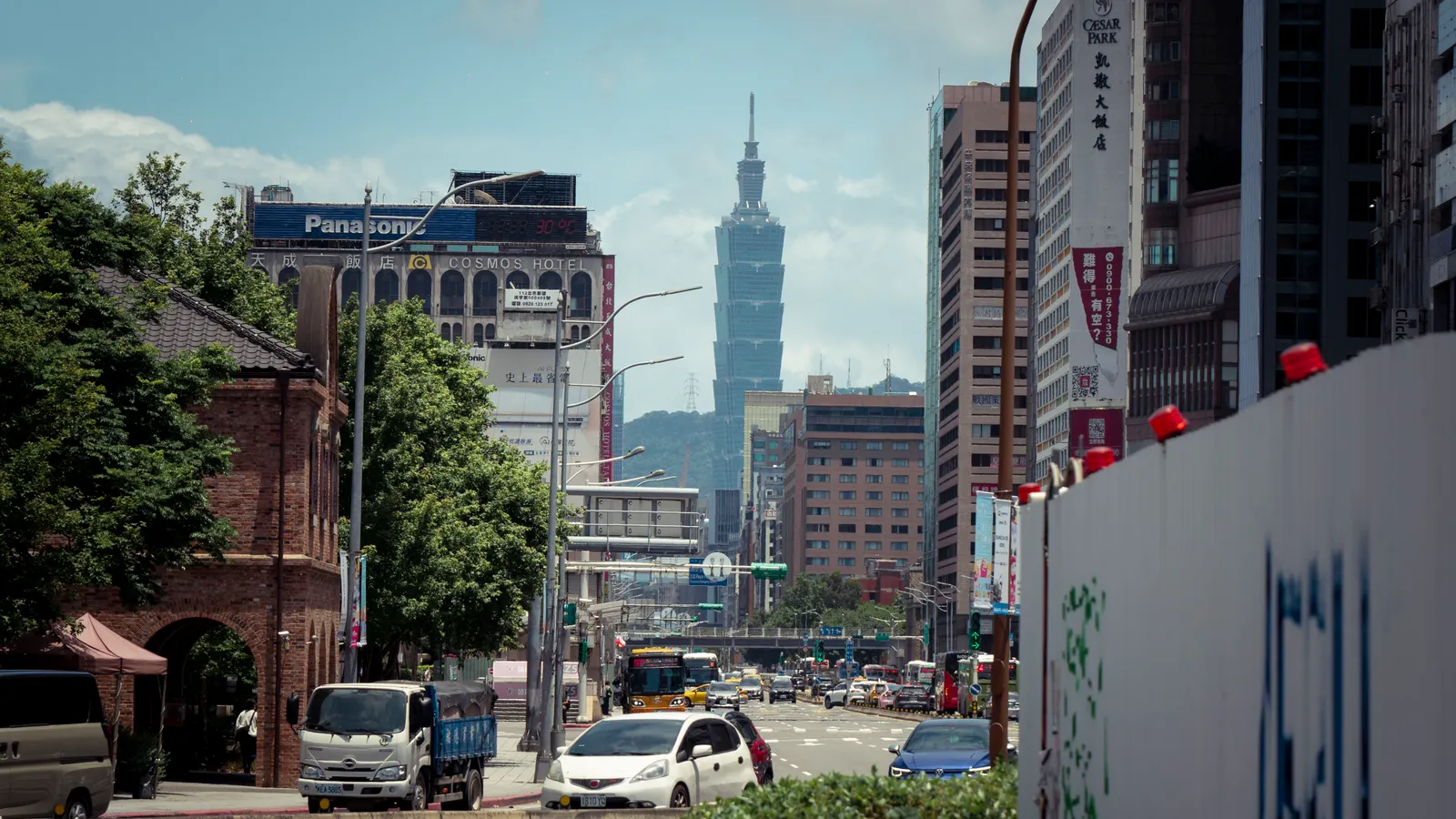
The DPP’s gains reach beyond the capital
The DPP won only five of the 22 races four years ago. This time it won 10. It took Taichung, Changhua, Chiayi City, Hsinchu County, Yilan and Yunlin from rival parties. The KMT took Penghu from the DPP. The six largest cities split evenly, three each. The KMT held Taipei, New Taipei and Taoyuan. The DPP held Taichung, Tainan and Kaohsiung.
In Taichung, DPP lawmaker Ho Hsin-chun beat KMT candidate Johnny Chiang by 35,079 votes. She won 776,310 votes, or 50.68 percent, to his 741,231. The win ended eight years of KMT rule in the city. In New Taipei, the KMT’s Lee Shu-chuan won with 1,120,555 votes, or 51.21 percent. In Taoyuan, Mayor Chang San-cheng won a second term with 647,498 votes, or 55.68 percent.
The DPP also held its southern strongholds. In Tainan, Chen Ting-fei won 521,419 votes, or 52.49 percent. In Kaohsiung, Lai Jui-lung won 774,882 votes, or 52.9 percent. The result echoed other close votes in the region this year. New Zealand’s final election count left parliament deadlocked.
The DPP even won more votes than the KMT across the island. It took 6,032,152 votes, or 48.04 percent, against 5,884,236, or 46.86 percent, for the KMT. But the KMT still won one more mayoral race. Turnout was 65 percent of the 19.58 million people eligible to vote. More than 11,000 local posts were on the ballot, from mayors and councillors to village chiefs. The vote was one of the biggest stories in world news this weekend.
Two races decided by a few hundred votes
Two races were so close that recounts are likely. In Yunlin County, the DPP’s Liu Chien-kuo beat the KMT’s Chang Chia-chun by just 173 votes. Liu won 178,357 votes to Chang’s 178,184. The lead changed hands several times, and Chang’s team briefly declared victory.
In Hualien County, the KMT’s Yu Shu-chen beat independent Chang Chun by 357 votes. Yu won 63,013 votes to Chang’s 62,656. Both margins fall within 0.3 percent of valid votes, the level at which the losing side can seek a recount. The final results in both places depend on those checks and on formal confirmation by the Central Election Commission.
The commission will formally announce the elected candidates by December 4, and the new local leaders take office on December 25. Until then, all results remain preliminary.
Voters back a return to nuclear power
On the same ballot, voters backed a referendum to use nuclear power again and drop the “nuclear-free homeland” energy policy. The proposal, known as Referendum No. 22, passed with 7,434,677 votes in favour and 4,557,768 against. That is about 62 percent in favour. The yes votes cleared both legal tests: more yes than no, and yes votes equal to more than a quarter of all eligible voters.
The referendum does not itself restart any nuclear plant. Taiwan’s last nuclear plant shut last year. But it gives the government a political mandate to pursue nuclear power. Supporters say more energy is needed, in part to meet the power demands of the artificial intelligence industry. The yes vote won in all 22 cities and counties, with the strongest support in the outlying islands.

China watched the vote closely
China watched the vote closely. Beijing claims Taiwan as its own territory, though it does not control the island. China refuses to talk to President Lai Ching-te, whom it calls a “separatist”. Lai says only Taiwan’s people can decide their future. On Friday, 33 Chinese warplanes flew around Taiwan, along with eight warships, according to Taiwan’s defence ministry. Chinese state media also attacked Shen on the same day.
Leaders in Europe spent the same week in tense talks over budgets and support for Ukraine. The KMT has long favoured closer ties with Beijing, and its chair, Cheng Li-wun, met Chinese President Xi Jinping in April. But the campaign itself focused on local issues, such as transport, the environment and social welfare.
Voters said the economy mattered most. “If the Taiwan economy is good, only then will people be able to live well,” said voter Chang Li-fen. Washington’s tariff moves have hit trading partners across Asia. For many voters, jobs and prices counted for more than the dispute with Beijing.
The result gives the DPP a lift before national elections in early 2028. Lai is expected to seek a second term as president. Chen Shihmin, a professor at National Taiwan University, said the result would let the DPP unite behind Lai. “This result will allow the DPP to be united in supporting President Lai Ching-te when he seeks another term in 2028,” he said. The KMT has not yet named its candidate.
For now, both parties can claim something from the night. The DPP rebuilt its local base after a poor showing four years ago. The KMT kept the capital and still leads at the local level. The next test comes in 2028, when voters choose a president and a new parliament.
Frequently Asked Questions
What happened in Taiwan’s local elections?
The DPP won 10 of the 22 races for mayor and county chief, up from five in 2022. The KMT won 11, and an independent won one. The KMT kept Taipei, while the DPP took back Taichung and five other places.
Who won the Taipei mayoral race?
KMT Mayor Chiang Wan-an won a second term with 781,312 votes, or 53.72 percent. DPP challenger Puma Shen won 664,586 votes and conceded late on Saturday night.
What did the nuclear referendum decide?
Voters backed using nuclear power again and ending the “nuclear-free homeland” policy. The yes side won 7,434,677 votes to 4,557,768 against. The vote does not restart any plant by itself, but it gives the government a mandate to pursue nuclear power.
What happens next?
The Central Election Commission will formally confirm the winners by December 4, and the new local leaders take office on December 25. Recounts are possible in Yunlin and Hualien, where the margins were under 400 votes. National elections follow in early 2028.


