A new round of Trump tariffs would hit 14 major trading partners, including China, Japan and the European Union, in a move aimed at what the administration calls excess industrial capacity. The proposal, announced on 25 November, would set maximum potential rates of 20 to 40 percent — and it comes despite Republican losses in the midterm elections.
The tariffs are not in effect yet. They would follow an eight-month investigation into unfair trade, and a public hearing is scheduled before any duties can be imposed. The plan is also a legal rebuild: after the Supreme Court in February struck down the administration’s broad global duties, the White House is turning to a different trade law to keep its tariff policy alive.
Who is affected, and by how much?
The list covers 14 trading partners, and the rates are not the same for everyone. China faces the highest cap, at 20 percent, on top of the roughly 25 percent in duties left over from President Donald Trump’s first term. That is within the terms of the current US-China truce, which expires on 10 January. If the truce unravels, the rate could rise to 40 percent.
Vietnam is capped at 20 percent if it reaches a trade agreement with Washington, rising to 35 percent if negotiations fail. Japan and the EU are also on the list, though the administration says it intends to cap the rates at the lower levels already agreed under trade deals with individual partners.
Brazil is handled separately. The US Trade Representative has proposed a 10 percent tariff on finished Embraer commercial aircraft, and higher duties on Brazilian sugar above existing quotas. The aircraft had previously been exempt from the 25 percent tariffs imposed in July under a separate investigation. US Trade Representative Jamieson Greer said there had been no meaningful progress after months of talks.
Why is the US doing this now?
The legal basis is Section 301 of the Trade Act of 1974, which lets the United States investigate unfair trade practices and impose duties in response. The eight-month investigation behind this round looked at excess industrial capacity — factories abroad producing more than their home markets can absorb, with the surplus sold cheaply overseas. Greer said the trading partners’ industrial strategies targeted manufacturing, suppressed wages and labour standards, and relied on financial support and non-market inputs.
The timing is also about the courts. In February, the Supreme Court struck down the broad global duties the administration had imposed under a national-emergencies law. Section 301 gives the administration a different route: investigate first, then impose duties on the countries and products found to be trading unfairly.
The politics matter too. Reuters reported that the White House is undeterred by the Republican midterm losses — a sign the administration does not see the election results as a reason to change course on trade.
When would the Trump tariffs start?
Not before 25 January, when a public hearing is due to be held. The tariffs are proposed, not imposed, and businesses and trading partners will have a chance to argue their case. The final rates could be lower than the maximums announced.
The hearing date matters because it sets the earliest point at which duties could take effect, and because it gives negotiators a deadline. Vietnam’s rate, for example, depends on whether its talks with Washington succeed. The China truce expiring on 10 January is the other date to watch: if it falls apart, the cap on Chinese goods could double.
What does this mean for businesses and shoppers?
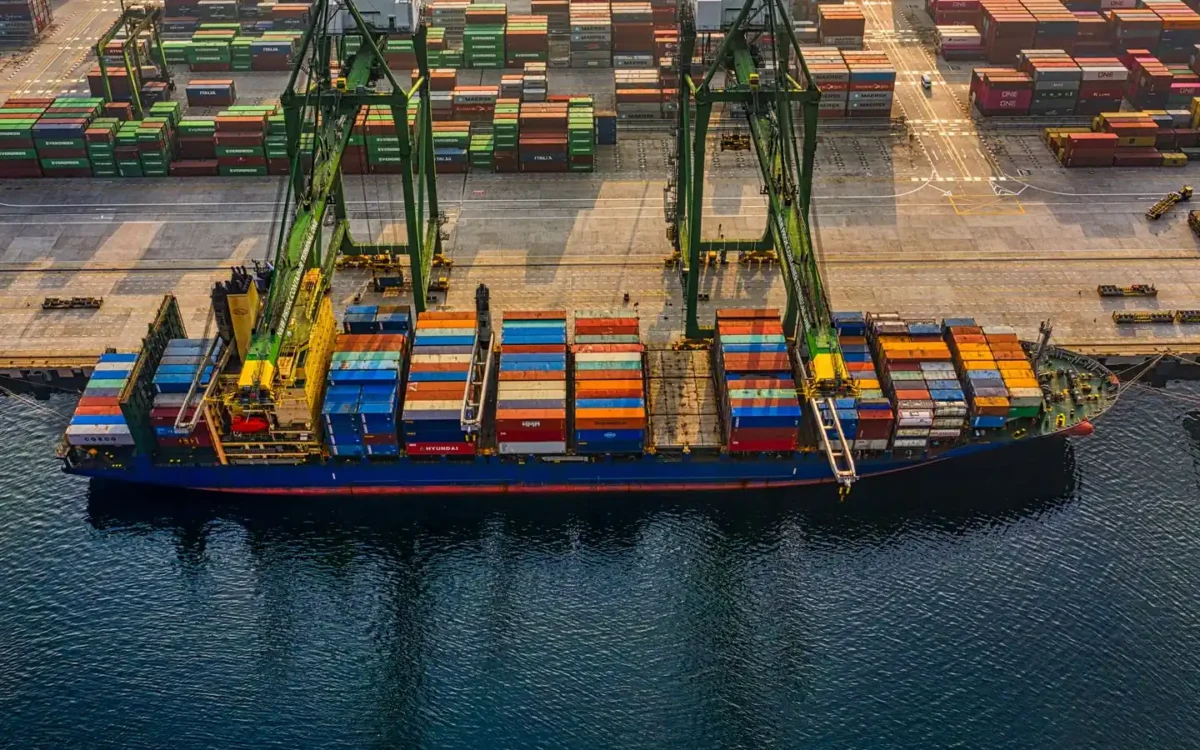
For importers, the proposal is a warning to plan for higher costs. Trade routes are already shifting as companies reroute supply chains around tariffs, and a new round of duties will push more of them to rethink where they buy and build. European markets have been bracing for US trade shocks for months, and the EU’s place on the list will keep that pressure on.
The measures are spreading beyond tariffs alone. The EU is already using import quotas against Chinese cars, a reminder that both sides of the Atlantic are reaching for trade defences at the same time. For shoppers, the effect is slower but real: tariffs on industrial goods raise costs for manufacturers, and those costs tend to show up in prices. Tariffs add to the inflation pressures central banks are watching, which is why traders pay such close attention to every new proposal.
The administration’s argument is that the short-term pain buys long-term leverage: factories rebuilt at home, and trading partners forced to negotiate. Whether that trade-off is worth it is the argument the hearing in January will be about — and the answer will depend on what happens at the negotiating table between now and then.
Frequently Asked Questions
Which countries are affected by the new Trump tariffs?
Fourteen major trading partners, including China, Japan and the European Union. Brazil is covered by separate proposals on aircraft and sugar.
How high could the Trump tariffs go?
Maximum potential rates are 20 to 40 percent. China is capped at 20 percent under the current truce, rising to 40 percent if the truce unravels. Vietnam would face 20 percent with a trade agreement, or 35 percent without one.
When do the Trump tariffs start?
Not before a public hearing on 25 January. The tariffs are proposed, not yet in effect, and the final rates could be lower than the announced maximums.
Why is Brazil treated separately?
The US Trade Representative proposed a 10 percent tariff on finished Embraer commercial aircraft and higher duties on Brazilian sugar above quotas, saying months of talks produced no meaningful progress. The aircraft had been exempt from the 25 percent tariffs imposed in July.
What is Section 301?
It is a provision of the Trade Act of 1974 that lets the United States investigate unfair trade practices and impose duties in response. It is the legal basis for this round of tariffs, after the Supreme Court struck down the administration’s emergency-law duties in February.
Sources
- Reuters (via Yahoo Finance) — US proposes new tariffs on 14 trading partners in fight over excess factory capacity — https://finance.yahoo.com/economy/policy/articles/us-proposes-tariffs-14-trading-131826582.html