Kuwait Summons Iran Envoy After Deadly Drone Strike
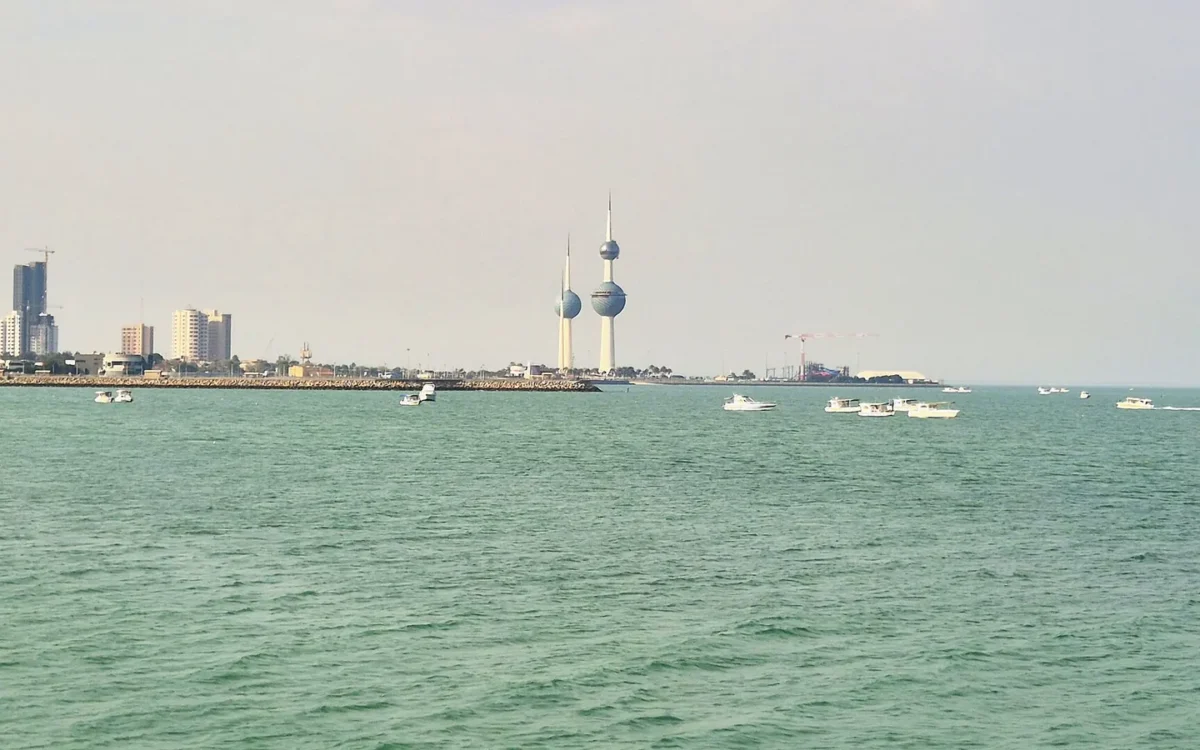
Kuwait summoned Iran’s ambassador on Friday, November 27, 2026, and handed him a formal protest note over what it called continued Iranian attacks, a day after a drone strike on a vital site killed two Italian nationals and wounded two other people. The move marks a sharp diplomatic step in a Gulf crisis that has already cost lives on Kuwaiti soil.
Deputy Foreign Minister Hamad Al Mashaan delivered the note to Ambassador Mohammad Toutounchi in Kuwait City. He condemned the attacks as violations of Kuwait’s sovereignty, international law and United Nations Security Council Resolution 2817 (2026), and said Kuwait held Iran fully responsible. Iran denies any role in the strike and has offered a joint investigation.
What happened on Thursday
Several hostile drones entered Kuwaiti airspace on Thursday and struck a vital site, according to Kuwait’s Foreign Ministry and its military. The strike killed two Italian nationals and injured a Kuwaiti citizen and a Pakistani citizen. The ministry said the attack also caused extensive material damage.
Kuwaiti military spokesperson Saud Abdulaziz Al-Atwan said on Thursday that Kuwaiti forces had detected and engaged the drones in the country’s airspace and attributed them to Iran. He said falling debris from the targeted facility killed the two Italians and injured the Kuwaiti and the Pakistani national.
The two Italians were technicians working at the site. They were the first European civilians to die since the start of the US-Israeli war on Iran, according to Hatha Alyoum.

Kuwait’s protest and its warning
The protest note was blunt. Al Mashaan called the attacks “a flagrant violation” of Kuwait’s sovereignty and territorial integrity and a serious breach of international law. He said Kuwait reserved its inherent right to self-defence under Article 51 of the UN Charter and would take all necessary measures to protect its sovereignty, its security, and its citizens and residents.
The language matters because it goes beyond a routine complaint. By citing a Security Council resolution and the right to self-defence, Kuwait put Tehran on notice that it views the strikes as a matter for the UN as well as a bilateral dispute. The ministry’s statement, posted on X, named the drone attack on Thursday as the most recent of the continued attacks it was protesting.
The summons follows the drone strike reported on Thursday that killed the two Italians, which already drew condemnation from Kuwait and Italy. Friday’s protest note turns that condemnation into a formal diplomatic step, delivered face to face to Iran’s ambassador.
Iran denies any role
Tehran has denied any involvement. Iranian Foreign Minister Seyed Abbas Araghchi said on Thursday that Iran had no role in the attack and was ready to cooperate with Kuwait and Italy to investigate it. He made the remarks in separate phone calls with Kuwait’s Foreign Minister Sheikh Jarrah Jaber Al-Ahmad Al-Sabah and Italy’s Foreign Minister Antonio Tajani.
In the calls, Araghchi said Iran “had no role or involvement whatsoever in the occurrence of this event,” and offered a joint investigation with Kuwait and Italy to examine the details and identify the origin of the drones and the parties involved. He expressed regret to his Kuwaiti counterpart over the casualties and the damage, and offered condolences to Italy over the deaths of the two Italians.
Tajani said Araghchi told him the drone “was absolutely not launched by Iranian armed forces, nor did it originate from Iran,” according to Italian news agency ANSA. Italy has said it will present its own formal protest to the Iranian embassy. For now, the two sides’ accounts cannot both be right: Kuwait says its forces tracked the drones and attributes them to Iran, while Tehran says it had nothing to do with them.
A Gulf under strain
The strike comes during a wider round of attacks across the Gulf, which our our World News coverage has followed through the autumn. Yemen’s Houthis have stepped up strikes on Saudi energy sites in recent days, and the group claimed attacks on Saudi Arabia’s largest refinery at Ras Tanura earlier in the week. Tensions in the Strait of Hormuz have kept energy markets on edge for months, and shipping and oil installations have become regular targets.
For Kuwait, a small state caught between larger powers, the danger is direct. Its air defences engaged the drones, but debris still fell on a site where foreign technicians were working. The deaths of two Europeans raise the political cost of each new attack, because they draw in governments beyond the region. Italy’s involvement, through its foreign minister and its protest, shows how quickly a local strike can become a European diplomatic issue.
What happens next depends on the investigation Kuwait has demanded and on whether the attacks stop. A joint inquiry of the kind Araghchi proposed would need access to drone wreckage, radar records and the damaged site. Kuwait has not said whether it will accept that offer. Its protest note holds Iran responsible, and its warning about self-defence leaves open the option of a military response if the attacks continue.
For now, the diplomatic track is the one in motion. The ambassador has been summoned, the protest is on the record, and both sides have stated their positions in public. The gap between them — Kuwait’s attribution and Iran’s denial — is the question that will decide whether this becomes a contained diplomatic row or another step in a wider Gulf conflict.
Frequently Asked Questions
Why did Kuwait summon Iran’s ambassador?
Kuwait summoned Ambassador Mohammad Toutounchi on Friday, November 27, 2026, to hand him a formal protest note over what it called continued Iranian attacks. The most recent was a drone strike on Thursday that hit a vital site, killed two Italian nationals and wounded a Kuwaiti and a Pakistani citizen.
What did Kuwait say in the protest note?
Deputy Foreign Minister Hamad Al Mashaan condemned the attacks as violations of Kuwait’s sovereignty, international law and UN Security Council Resolution 2817 (2026). He held Iran fully responsible and said Kuwait reserved its right to self-defence under Article 51 of the UN Charter.
What is Iran’s response?
Iran denies any role in the strike. Foreign Minister Abbas Araghchi told his Kuwaiti and Italian counterparts that Iran had no involvement and offered a joint investigation with Kuwait and Italy to find the origin of the drones. He also expressed regret over the casualties and offered condolences to Italy.
Who was killed in the drone strike?
Two Italian nationals were killed, and a Kuwaiti citizen and a Pakistani citizen were injured. Kuwait’s military said falling debris from the targeted facility caused the deaths and injuries. The strike also caused extensive material damage at the site.