
Houthis Hit Saudi Arabia’s Biggest Refinery as Oil Prices Surge
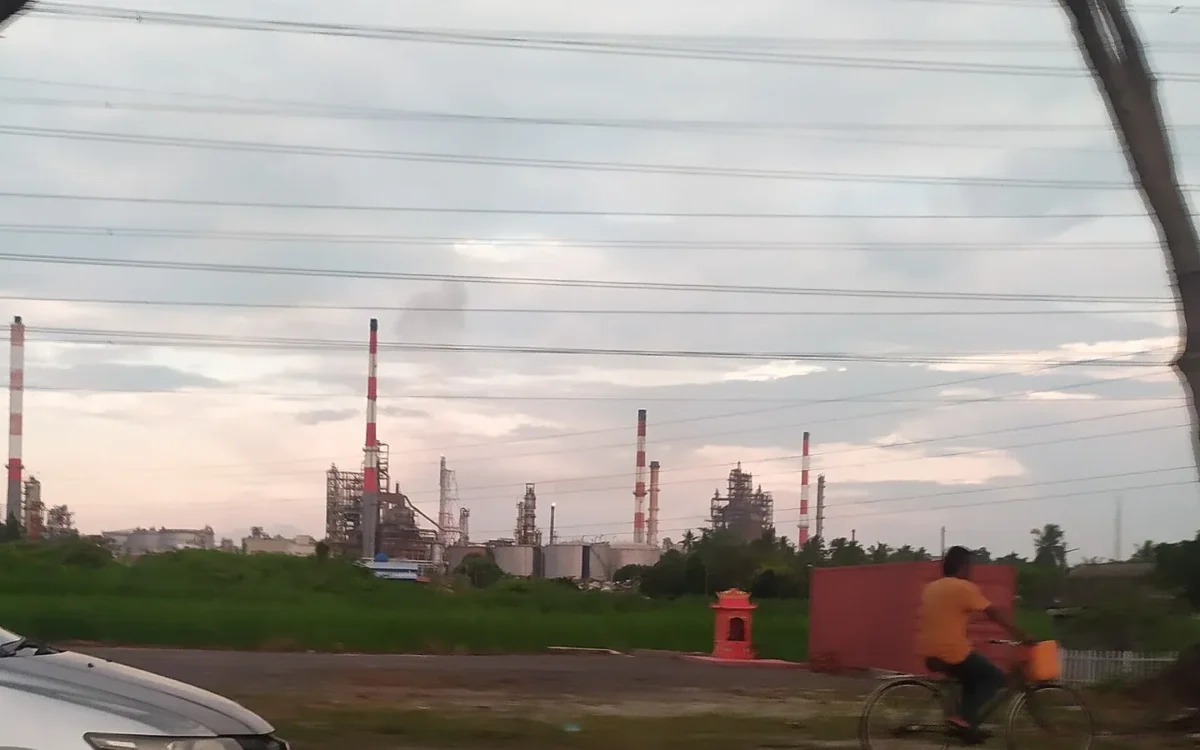
Yemen’s Houthi rebels have struck Saudi Arabia’s largest oil refinery, Ras Tanura, and followed it with an attack on another refinery that killed a worker, in a sharp escalation that has pushed oil prices higher and spread the regional war deeper into the Gulf’s energy heartland.
The Houthis said on Wednesday that they had attacked Ras Tanura, which sits beside one of the world’s largest crude export terminals on Saudi Arabia’s Gulf coast. Satellite imagery taken the same day showed a huge plume of black smoke rising from the coastal peninsula.
Houthi military spokesperson Yahya Saree said the strikes were “accurate and direct” and caused a fire at the refinery. The facility has a refining capacity of 550,000 barrels per day and has been targeted before, during the conflict with the Houthis and the wider Iran war.
A shipping source told CNN oil loadings at the terminal were suspended after the attack. It was unclear if they had resumed.
What do we know about the Ras Tanura attack?
The evidence for an attack is strong, even if the two sides disagree on the damage. Satellite imagery from both NASA and Planet Labs showed thick black smoke over the installation, covering about 600 square kilometres, roughly the size of Chicago.
A source with knowledge of the matter confirmed an attack on the refinery to Reuters. The Saudi-led coalition said only that air defences had intercepted and destroyed four drones over Ras Tanura, with falling debris but no reported injuries. It did not say the refinery had been struck.
The Saudi government and state oil firm Aramco did not immediately respond to requests for comment. CNN reported that it has not been able to independently verify the attacks, a caution that applies to much of the reporting from this war.
Brent crude settled 3.5 percent higher on Wednesday at $94.61 a barrel, while American WTI crude climbed 2 percent. On Thursday, Brent rose again and settled at $96.57 a barrel.
What happened at the Jazan refinery?
The escalation did not stop at Ras Tanura. On Thursday, a projectile struck an oil refinery in Saudi Arabia’s southwestern Jazan region, killing a Nepalese worker and injuring several others, according to the Saudi Ministry of Energy.
The strike sparked a fire and temporarily suspended some operations at the facility, the ministry said. The attack showed that the Houthis can reach targets on both of Saudi Arabia’s coasts: the Gulf in the east and the Red Sea in the west.
The Houthis also claimed responsibility for a strike on Wednesday on Riyadh’s King Abdullah Financial District that Saudi authorities said wounded 11 people. An eyewitness told CNN that Saudi Arabia’s trillion-dollar sovereign wealth fund, the Public Investment Fund, is headquartered inside the targeted skyscraper.
The Saudi-led coalition said in a later statement on Wednesday that the strike was carried out by a Houthi drone and vowed a “firm response.” The Houthis said they had also attacked the ports of Jeddah and Jazan on the Red Sea.
How is Saudi Arabia answering?
Saudi-led forces have stepped up attacks across Houthi-controlled areas of Yemen. On Thursday, the coalition said it carried out a “precision military operation” against Houthi capabilities, destroying 50 targets it described as legitimate military targets across Sanaa, Hodeidah and Saada governorates.
A day earlier, the coalition said it had attacked operational capabilities at the Houthi-controlled Hodeidah port and destroyed targets in Saada and Amran governorates.
The Houthi-controlled armed forces said Saudi warplanes and missiles carried out 109 strikes over the previous 24 hours across Yemen, including in Sanaa and Hodeidah. The Houthi-controlled health ministry in Sanaa said on Thursday that at least 19 civilians had been killed and 25 others wounded in Saudi strikes over the previous 48 hours.
Those casualty figures could not be independently verified. But the scale of the exchange is clear: both sides are hitting harder, and the targets are getting more valuable.
Why does Ras Tanura matter so much?
Ras Tanura is not just a refinery. It is part of a complex that housed Saudi Arabia’s main crude export terminal before the war with Iran began in late February. Damage that reduces its refining or exporting capacity would hit global oil supplies directly.
Analysts expect the attacks to raise the geopolitical risk premium on oil: Brent has risen from near $89 earlier in the week to above $96.
Strait of Hormuz tensions rattling energy markets this year, and the Ras Tanura attack adds a second front to those worries. Iran said mines struck ships in the Strait of Hormuz this week, and at least two tankers exploded and caught fire after hitting mines near Oman’s Khasab port.
Energy price swings feed straight into inflation, transport costs and household bills around the world. A sustained outage at Ras Tanura would be felt far beyond Saudi Arabia.
What is driving this escalation?
Fighting between the Houthi group and the Saudi-led coalition reignited in July after years of relative calm brought about by a 2022 United Nations-brokered ceasefire. Clashes intensified in recent months after the Houthis advanced toward the critical Bab el-Mandeb Strait in September.
The wider war between the United States and Iran, which began on February 28, has pulled the Houthis further in. The group is backed by Iran, and its attacks on Saudi Arabia serve Tehran’s interests by putting pressure on a key American ally.
The timing also matters for diplomacy. Saudi Crown Prince Mohammed bin Salman is planning his first trip to the United States since the Iran war began, where he is expected to attend next month’s G20 summit in Miami. The planned visit would set up the first in-person meeting between President Donald Trump and Prince bin Salman since the war began.
For now, the pattern is escalation on both sides: refineries and ports in Saudi Arabia, and air strikes across Yemen. Trade tensions are already straining the global economy, and an oil shock would make things worse.
The question is whether the Ras Tanura attack marks a new phase or a peak. If loadings stay suspended and damage proves serious, prices will keep climbing. If the refinery returns to normal, the spike may fade. Either way, the world is watching the Gulf’s energy lifeline more closely than it has in months.
Frequently Asked Questions
What is the Ras Tanura refinery and why is it important?
Ras Tanura is Saudi Arabia’s largest oil refinery, with a capacity of 550,000 barrels per day. It sits beside one of the world’s largest crude export terminals on the kingdom’s Gulf coast. Damage to it could cut both refining output and crude exports, which is why oil prices jumped after the attack.
Who attacked Ras Tanura and what is the evidence?
Yemen’s Iran-backed Houthis claimed the attack, saying their strikes were accurate and direct and caused a fire. NASA and Planet Labs images showed thick black smoke, and a source confirmed an attack to Reuters. The coalition said only that it intercepted four drones. Aramco did not immediately comment.
What happened at the Jazan refinery?
On Thursday, a projectile struck a refinery in Saudi Arabia’s southwestern Jazan region, killing a Nepalese worker and injuring several others, according to the Saudi Ministry of Energy. The strike caused a fire and temporarily suspended some operations. It showed the Houthis can hit targets on Saudi Arabia’s Red Sea coast as well as the Gulf.
How have oil prices reacted?
Brent crude settled 3.5 percent higher on Wednesday at $94.61 a barrel after the Ras Tanura claim, and rose again on Thursday to settle at $96.57. American WTI crude also climbed. Analysts say the attacks have raised the geopolitical risk premium on oil, though a sustained price rise depends on whether the damage causes a lasting outage.
How is Saudi Arabia responding to the attacks?
Saudi-led forces have stepped up strikes across Houthi-controlled Yemen, destroying 50 targets in Sanaa, Hodeidah and Saada on Thursday, according to the coalition. The Houthis say Saudi warplanes carried out 109 strikes in 24 hours. Saudi Arabia is also seeking stronger American defence support ahead of Crown Prince Mohammed bin Salman’s planned trip to the United States.