
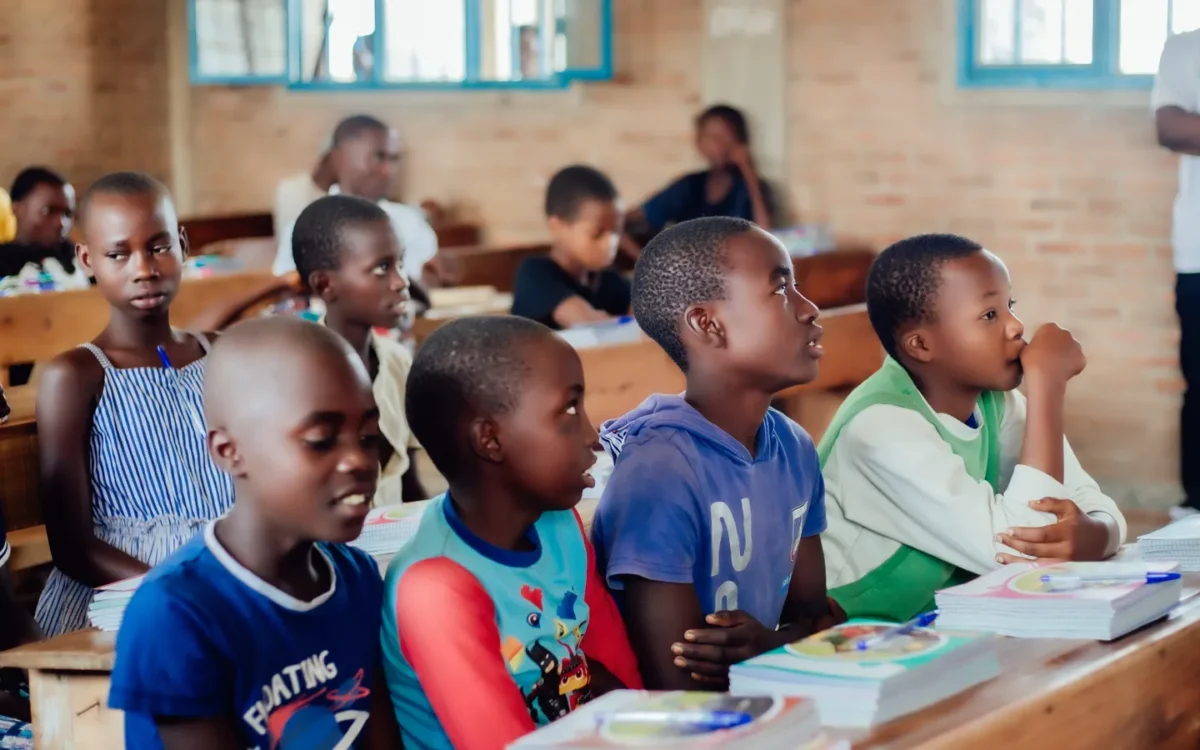
Zimbabwe Grade 7 Results: Pass Rate Rises to 50.94%
Zimbabwe’s Grade 7 pass rate rose to 50.94% in the 2026 examinations, after the country’s exam body released the results on Friday, November 27, 2026. The figure is up 2.45 percentage points from 48.49% last year, and it takes the national pass rate above 50% for the first time in recent years.
The Zimbabwe School Examinations Council, known as ZIMSEC, announced the results at a press briefing in Harare on Friday afternoon. Bindura Eye reported that ZIMSEC board chairperson Professor Paul Mapfumo told journalists the results would be available online from 4pm on November 27, through the ZIMSEC portal at results.zimsec.co.zw.
What the results show
The rise is small in points but clear in direction. In 2025, the national pass rate was 48.49%. In 2024, it was 49.01%. This year’s 50.94% is the highest of the three years, and it means just over half of the pupils who sat the exams passed.
Grade 7 is the final year of primary school in Zimbabwe. Pupils sit exams in six subjects, and the national pass rate counts those who pass. For many families, the result decides which secondary school a child can aim for next, so the release day is one of the most watched dates in the school year.
The results came on the same day as another big school announcement in Asia. West Bengal’s Class 12 results, where 92.62% passed, were also declared on November 27. The two sets of results are very different in scale, but both show how much weight families place on a single day of exam news.
Girls ahead of boys
Girls did better than boys again this year. Girls passed at a rate of 56.39%, well ahead of the boys, according to Positive Eye News. The gap has been a steady feature of the Grade 7 results, and it held again in the first exams under the new curriculum.
Every subject passed above 50%, which means no single subject dragged the national figure down. Shona and Ndebele, the two main local languages in the exams, were the best performing subjects, with both passing above 80%. Strong results in home languages helped lift the overall rate.
First exams under the new curriculum
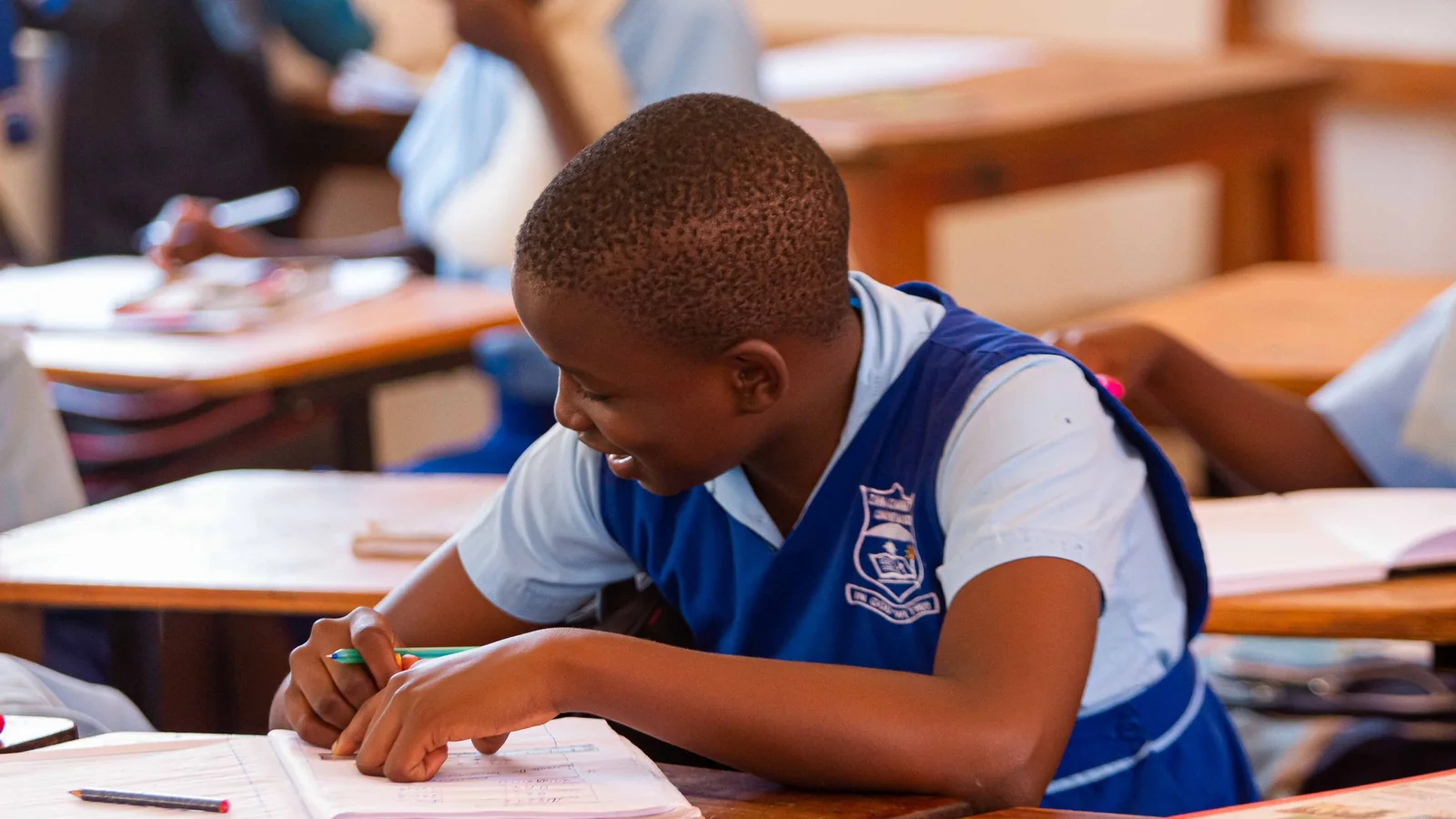
This year’s pupils were the first Grade 7 group to sit the exams under the Heritage-Based Curriculum, which the government began rolling out in 2024. The new curriculum puts more weight on local history, culture and practical skills, and it changed what pupils study and how they are tested.
Positive Eye News linked the higher pass rate to government measures to strengthen early learning. Those measures include hiring and placing more teachers, providing textbooks and learning materials, spending on classroom buildings and computers, expanding school feeding programmes, and backing teacher training. The report also pointed to curriculum changes meant to improve reading and maths and to make sure no learner is left behind.
It is too soon to say how much of the rise came from the new curriculum and how much came from the other measures. The pass rate is a single number, and it moves for many reasons at once. What is clear is that the direction changed: after two years below 50%, the rate has crossed that line.
How to check the results
Candidates and authorised staff can view the results online through the ZIMSEC portal at results.zimsec.co.zw. The portal opened at 4pm on Friday, November 27, and it will stay open for five days only. Families should check their results inside that window, using the official portal.
Heads of examination centres will collect the printed result slips for their schools from ZIMSEC regional offices on Monday, November 30, 2026. Pupils who cannot get online can wait for the paper slips to reach their schools after that date.
School systems handle results in different ways around the world. In England, the rules for how England handles exam access arrangements set out support for pupils who need extra time or help, and Nebraska’s latest state test results show how an American state reports pupil progress. Zimbabwe’s five-day online window is short by comparison, so families there have less time to check.
What happens next for pupils
For pupils who passed, the next step is secondary school. Grade 7 results feed into Form 1 places, and schools will now work through admissions for the new year. Pupils who did not pass will need to talk to their schools about the next steps, which can include repeating the year or other routes into secondary education.
Pupils moving on to secondary school will face harder work and new subjects. Study methods such as spaced repetition and active recall can help pupils learn faster and hold on to what they study, which matters more as the work gets harder in Form 1.
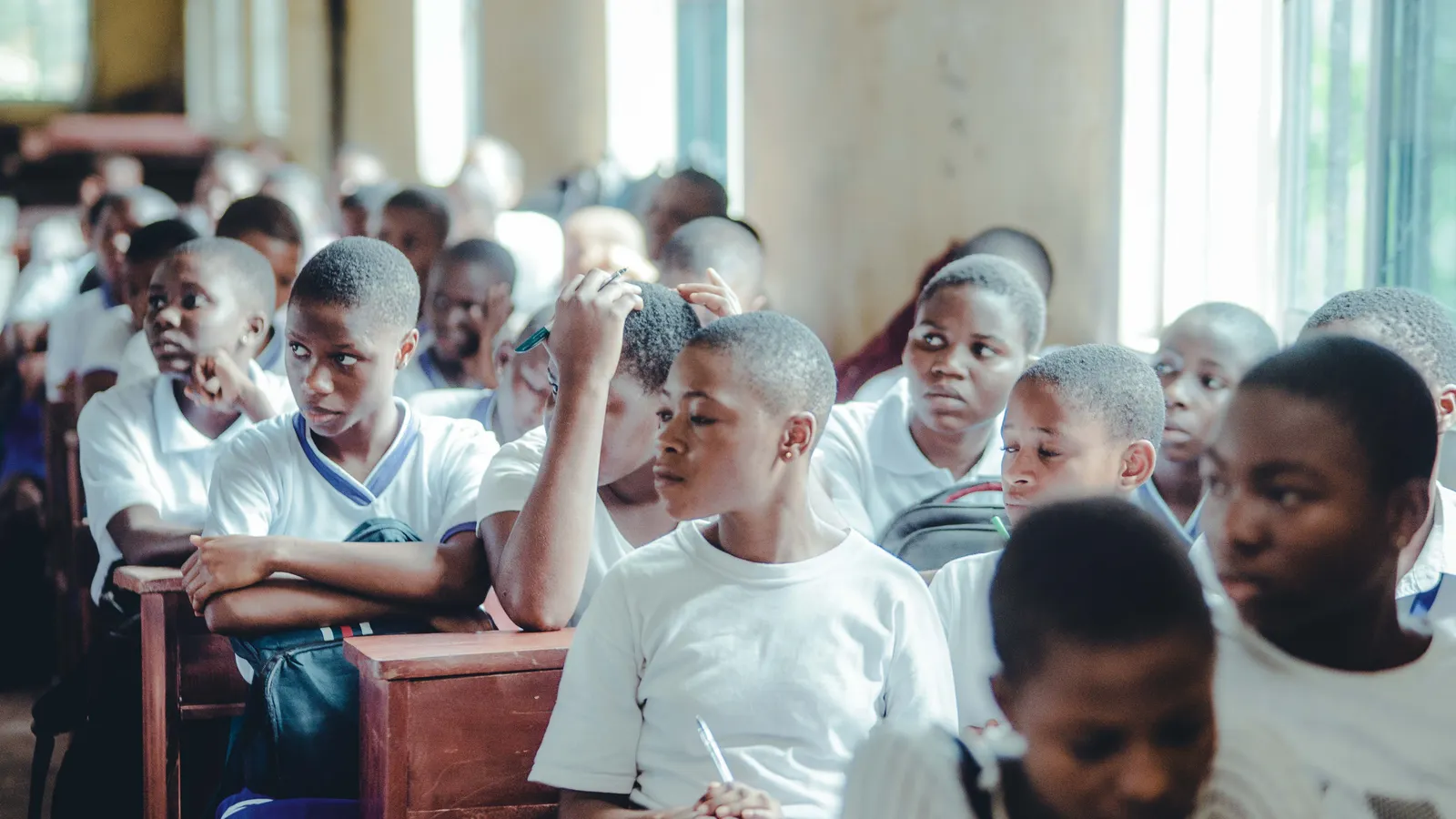
For ZIMSEC, the release ends months of marking and checking. For families, the five-day window is now open, and the printed slips will follow on Monday. The 50.94% pass rate gives the country its first Grade 7 result above half in recent years, and the next test will be whether the new curriculum can hold that gain when the next group of pupils sits the exams.
Frequently Asked Questions
What was the Zimbabwe Grade 7 pass rate in 2026?
The national pass rate was 50.94%, up 2.45 percentage points from 48.49% in 2025. In 2024, the pass rate was 49.01%. The results were released on Friday, November 27, 2026.
How can pupils check their Grade 7 results?
Results are available online through the ZIMSEC portal at results.zimsec.co.zw. The portal opened at 4pm on November 27, 2026, and stays open for five days only.
When will schools get the printed result slips?
Heads of examination centres can collect the printed results for their schools from ZIMSEC regional offices on Monday, November 30, 2026.
What is the Heritage-Based Curriculum?
It is the new curriculum the Zimbabwean government began rolling out in 2024, with more weight on local history, culture and practical skills. The 2026 Grade 7 pupils were the first group to sit their exams under it.


