

Tribunal Rejects Argentina Bid to Halt Falklands Oil Drilling
The International Tribunal for the Law of the Sea on Saturday rejected Argentina’s bid to halt oil drilling off the Falkland Islands. The tribunal rejected Argentina’s request to halt the Sea Lion oil project north of the islands, ruling by 18 votes to three that the case could not be separated from the dispute over who owns the islands.
The decision means work on the project can go ahead while a separate arbitration brought by Argentina gets under way. The tribunal is based in Hamburg, Germany, and is an independent judicial body set up under the UN Convention on the Law of the Sea. The case, known as Case No. 37, was the first test of Argentina’s legal challenge to the Sea Lion field.
Why the tribunal said no
The tribunal only has authority over disputes about how the Law of the Sea Convention is interpreted or applied. That authority specifically excludes disputes over sovereignty. Argentina insisted it was not asking the judges to settle who owns the islands. The United Kingdom argued the case was really about Argentina’s claim to the islands, which lies outside the law of the sea.
The judges agreed with the United Kingdom. The right to exploit a continental shelf depends on sovereignty over the land to which the shelf is attached. A continental shelf is the natural extension of a state’s territory under the sea. The tribunal found it could not rule on rights over the shelf without first deciding who holds sovereignty over the Falkland Islands.
The tribunal went through each of Argentina’s four claims, covering sovereign rights, unilateral exploitation of resources, environmental protection and the duty not to aggravate the dispute. It found that none gave even a first-glance basis for jurisdiction. Deciding which country must protect the marine environment there, for example, “would necessarily entail a decision on sovereignty”, it said. Because there was no plausible jurisdiction, the court did not go on to consider the risk of harm or the urgency of the case.
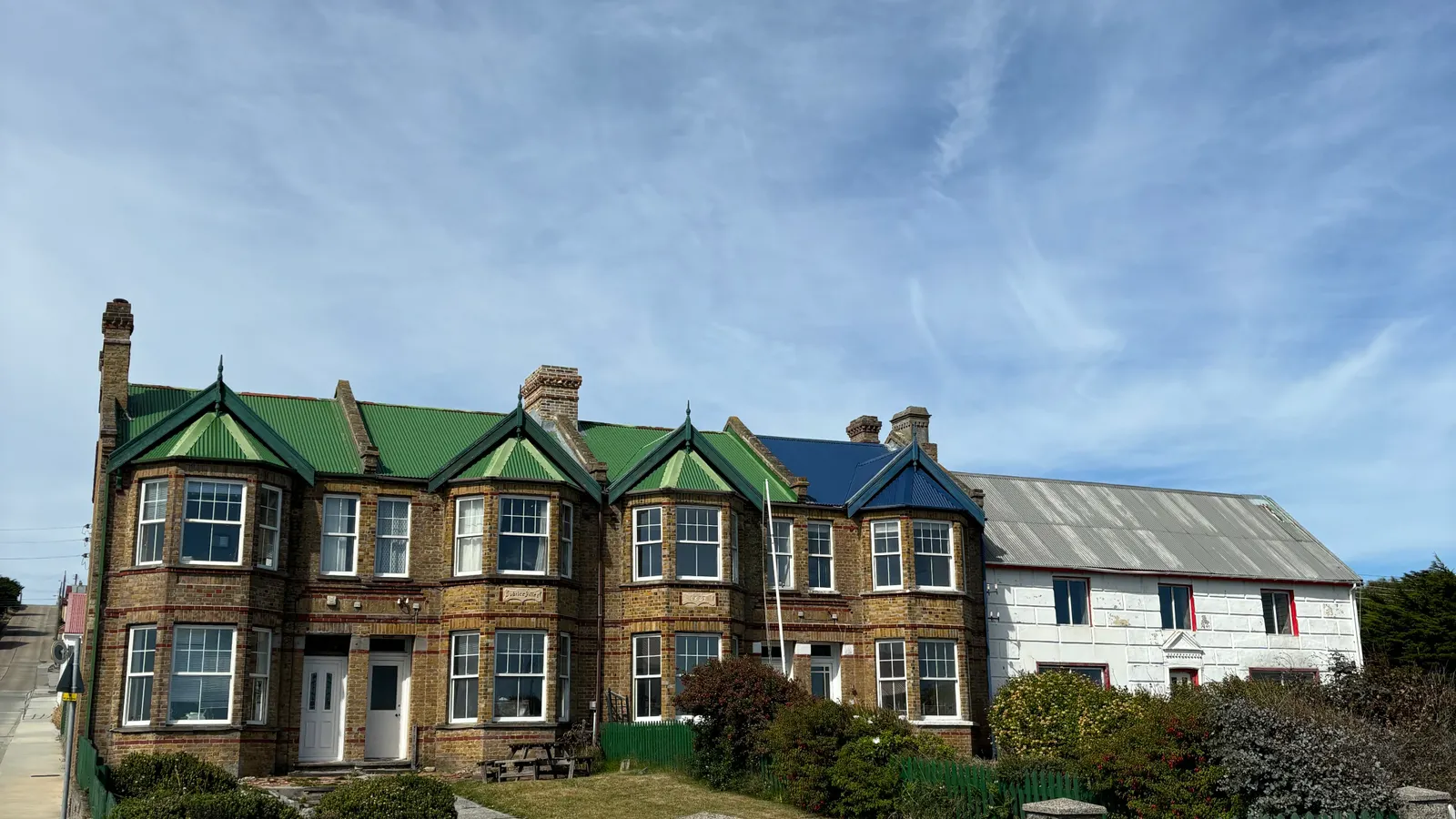
The Sea Lion project
The Sea Lion field lies about 220 kilometres north of the islands, within 200 nautical miles of their shores. That is about 130 miles north of Port Stanley, the capital. The field is thought to hold about 1.7 billion barrels of oil. It is being developed by Navitas Petroleum and Rockhopper Exploration, licensed by the Falkland Islands authorities. The companies say they are on track for first oil in early 2028.
The tribunal formally recorded British commitments on the timing of the work. Drilling will not begin before 21 March 2027, and extraction will not begin before March 2028. The United Kingdom also said that “no further licenses will be granted as the licensing regime is suspended”. Those promises meant there was no urgent need for the tribunal to act, since no drilling is imminent.
Brent oil topped $96 after a refinery attack in a separate energy shock this year, a reminder of how closely oil markets watch supply. Tensions in the Strait of Hormuz have shaken global energy markets too. Sea Lion is a smaller project, but it matters greatly to the Falkland Islands, whose economy and future are tied to the sea around them.
A dispute with a long history
Argentina launched arbitration proceedings under the Law of the Sea Convention on 28 September. A fortnight later, it asked the tribunal to order a stop to new drilling and production infrastructure and to bar any new exploitation licences. The tribunal can act while an arbitral panel is still being formed, but only if it has jurisdiction.
The Falkland Islands are one of 17 Non-Self-Governing Territories on the United Nations decolonization list. In 1965, the General Assembly invited Argentina and the United Kingdom to negotiate a peaceful solution. The two countries went to war over the islands in 1982. The sovereignty dispute has never been settled, and it sits at the heart of this case.
Argentina brought the case against the background of President Javier Milei’s energetic campaign over sovereignty, not only over the Falklands but also South Georgia and the South Sandwich Islands. Argentina also invoked the findings of the UN General Assembly, where states have been more sympathetic to its argument that the issue is a remnant of British colonialism. But when the resolution it cited was adopted alongside the Law of the Sea Convention, Argentina itself strongly denied that the text applied to the Falklands.
The United Kingdom’s position is that the remedy for colonialism is self-determination. The people of the Falkland Islands voted overwhelmingly in a referendum in 2013 to remain with Britain. Milei also introduced a National Sovereignty and Defence Law to Congress around the time the legal action began, a move that would involve sanctions and penalties against those active in the area. The case was widely followed in world news on Saturday.
What happens next
The arbitral panel that will hear Argentina’s case in full is expected to be set up by the end of the year, or in January at the latest. In theory, Saturday’s ruling does not bind that panel. In practice, the United Kingdom will challenge its jurisdiction on the same grounds, and the challenge has been greatly strengthened by the tribunal’s ruling. The tribunal is the world’s principal standing court on the law of the sea, and it adopted its decision by a strong majority of 18 to 3.
Chatham House, a London-based think tank, said the challenge had fallen at its first hurdle. Its analysis said the early defeat was unnecessary from Argentina’s view, since there was no prospect of drilling starting before the arbitration panel is fully in place. The preliminary action had no real purpose in protecting rights at risk, the analysis said, and could be seen as grandstanding for political reasons that has backfired.
The tribunal urged both sides to keep working to set up the arbitral tribunal quickly. It stressed that “the Convention is applicable in the maritime areas in dispute” and said it expects the parties “will act accordingly”. EU leaders ended their summit without a deal on the budget this week, another sign of how hard agreement can be even among allies. The Falklands case now moves to the slower work of arbitration.
For now, the Sea Lion project can proceed, and the islanders who licensed it keep their say over its future. The bigger question, who owns the islands, remains where it has been for decades: unsettled, and beyond the reach of the court that ruled on Saturday.
Frequently Asked Questions
What did the tribunal decide?
The International Tribunal for the Law of the Sea rejected Argentina’s request for provisional measures to halt the Sea Lion oil project. It ruled 18 to 3 that the dispute turns on sovereignty, which falls outside the Law of the Sea Convention.
Can drilling go ahead now?
Yes, work on the project can go ahead while a separate arbitration proceeds. Drilling will not begin before 21 March 2027, and extraction not before March 2028, under commitments recorded by the tribunal. The companies aim for first oil in early 2028.
Why could the tribunal not decide the case?
The tribunal only handles disputes about the Law of the Sea Convention, and that authority excludes sovereignty disputes. Rights over the continental shelf depend on who owns the land, so the judges could not rule without first deciding sovereignty.
What happens next?
An arbitral panel is expected to be set up by the end of the year or in January. The United Kingdom is expected to challenge its jurisdiction on the same grounds. The sovereignty dispute over the islands remains unsettled.


