Scuba Diving the Coral Triangle: Raja Ampat, Komodo, and Sipadan
Few places on Earth reward a diver the way the Coral Triangle does. This vast sweep of sea, shared by Indonesia, Malaysia, the Philippines and Papua New Guinea, holds more coral and reef fish than anywhere else on the planet.
Coral Triangle scuba diving is best understood through three destinations. Raja Ampat offers unmatched biodiversity, Komodo delivers currents and mantas, and Sipadan brings deep walls and turtles.
Each asks something different of a diver: Raja Ampat asks for time and money, Komodo asks for current skills, and Sipadan asks for patience with a permit system.
This guide compares all three honestly, with seasons, fees, costs and safety notes from 2026 dive guides. More active-trip ideas sit in our adventure travel guides.
What makes the Coral Triangle the richest reef system on Earth?
The Coral Triangle is the most biodiverse marine region on the planet. It holds more than 600 coral species and over 2,000 species of reef fish, according to a 2026 survey of Southeast Asia’s best dive sites.
It also holds about three quarters of the world’s known reef-building coral species, as a guide to diving in Asia records. That concentration is why divers cross the world to reach it.
Raja Ampat sits near the heart of that system. Komodo and Sipadan sit at its western edge, each with its own character and its own draw.
Why is Raja Ampat diving the benchmark for biodiversity?
Raja Ampat is often called the best diving in the world, and the numbers back the claim. The archipelago holds over 1,500 species of fish and 600 species of hard coral, as one 2026 dive round-up records.
Its most famous statistic comes from Cape Kri. On a single dive there, the ichthyologist Gerald Allen counted 374 fish species, a world record that still stands.
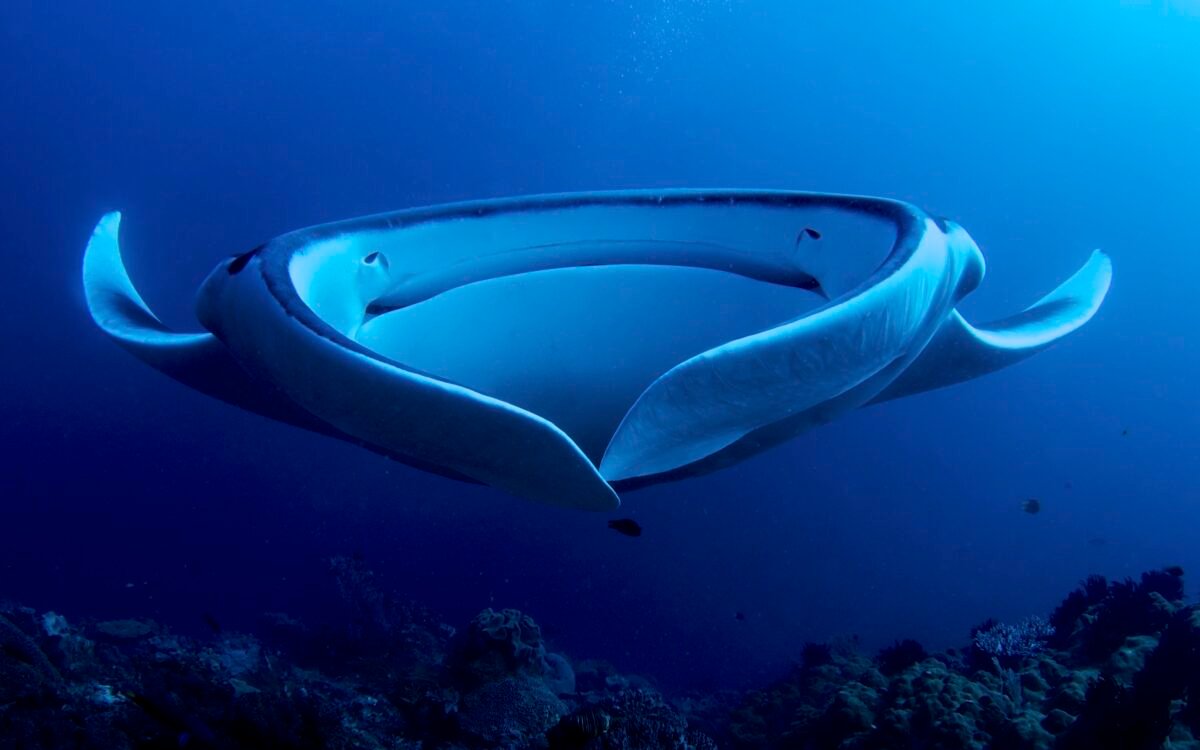
Cape Kri brings dense schools of fusiliers, Blue Magic brings oceanic mantas, and Manta Sandy is a cleaning station for reef mantas.
Melissa’s Garden is a shallow coral garden, Boo Window is a swim-through in Misool, and wobbegongs hide under table corals in the south.
Most divers reach Raja Ampat through Sorong, then take a ferry to Waisai or board a liveaboard. Homestays on Kri and Gam islands offer a cheaper, village-based alternative to resorts.
The best diving runs from October to April. Seas are calmer then, and visibility is at its best, though the reefs reward divers in every month.
What does Raja Ampat cost in 2026?
Raja Ampat is expensive by Indonesian standards, and the entry fees changed during 2026. Every foreign visitor now pays two separate charges, collected by two different authorities, as 2026 cost guides explain.
The marine park entry card costs IDR 700,000 per person and is valid for twelve months. A separate regency visitor levy adds IDR 1,000,000 per visit, so the combined total is about IDR 1,700,000, or roughly $100.
A published rise in the park card to IDR 1,000,000 was postponed in August 2026. Budget up to IDR 2,000,000 until the figures settle, and confirm the live price before you travel.
Village homestays are the budget backbone, at roughly IDR 350,000 to 500,000 per night with full board. Liveaboards run about $300 to $450 a night, all-inclusive, and reach the far reefs, per a 2026 Raja Ampat guide.
A realistic seven-night trip costs $2,000 to $3,500 per person, including flights from Jakarta. Homestay travellers can spend far less, and more of their money reaches the villages.
What should you expect from Komodo’s currents and mantas?
Komodo National Park is the wild card of the three. Its currents bring nutrient-rich water that feeds manta rays, reef sharks and dense soft corals, and the same currents demand respect.
The northern sites are the most demanding. Castle Rock is a submerged pinnacle where white-tip reef sharks, giant trevally and Napoleon wrasse work the current, and negative entries are standard there.
Crystal Rock usually has the clearest water in the park, with soft corals in every colour. The current splits around the rock, so there is often a calmer side to shelter on.
Batu Bolong is a small rock with a hole through it, right in the current. Its sheltered side is a steep coral slope with turtles and reef sharks, but divers must stay in the lee and follow the guide’s line.
Manta Point, also called Karang Makassar, is a shallow drift over rubble where mantas feed and are cleaned. Manta Alley, off southern Komodo, is a reef wall beside channels where mantas gather when sea conditions allow.
The manta peak at Manta Point comes roughly from December to March, when up to 30 mantas have been recorded feeding together. Manta Alley sees them year-round, swell permitting.
How much are Komodo’s park fees in 2026?
Foreign visitors pay a park entrance fee of around IDR 250,000 per person per day. Scuba divers add a diving surcharge of around IDR 25,000 per person per diving day.
The park also introduced a daily visitor quota in 2026, with extra capacity added for September to December. Tickets cannot be cancelled or refunded once bought, so book dates carefully.
Fees may change, because the park became a self-funding public service agency in July 2026 and a new tariff regulation is being prepared. Confirm the current tariff before you travel.
The north and centre are best from roughly April to November, with April to June bringing the calmest seas. The south is best from about December to March, although that is also the rainy season.
How does the Sipadan permit system work?
Sipadan is the most tightly controlled of the three destinations. Sabah Parks caps the number of divers each day, and permits are allocated to licensed resorts and operators, never sold to individuals.
Published sources put the daily quota at around 252 to 254 permits, shared across 42 registered operators. Each operator receives only its own allocation, weighted by size, so availability varies by resort.
The fee for foreign visitors is RM 450 per person per day, made up of RM 350 for diving and RM 100 for conservation. Malaysian citizens pay RM 300 per day, and a small jetty fee may also apply.
Since May 2026, each permit day covers up to three dives, raised from two. That change makes a Sipadan day better value than it was, though the permit itself remains the hard part to secure.
Sipadan closes every November for conservation, with no diving, snorkelling or boat landings. In 2026 the closure runs from 1 to 30 November, and the island reopens on 1 December.
Most visitors base themselves on Mabul or Kapalai, and staying three nights or more improves your chances, because resorts allocate permits by rotation.
What will you see at Sipadan?
Sipadan is the only oceanic island in Malaysia, rising 600 metres from the Celebes Sea floor. Drop-offs start just metres from shore and plunge into deep blue water.
Barracuda Point is its most famous site, where barracuda gather in tornado-like schools. The Drop Off is a wall dive beside the island, and Turtle Patch lives up to its name.
Green and hawksbill turtles appear on nearly every dive, along with schools of jacks and bumphead parrotfish. Whitetip reef sharks patrol the walls, and the reef itself is strikingly intact.
The best months run from April to December. Visibility is usually excellent, and the wall diving here is widely rated among the best in Asia.
When is the best time to dive each destination?
| Destination | Best months | Water | Suits |
|---|---|---|---|
| Raja Ampat | October to April | 27–30°C | Intermediate and above |
| Komodo (north and centre) | April to November | 25–29°C | Advanced |
| Komodo (south) | December to March | 22–28°C | Advanced |
| Sipadan | April to December | 27–29°C | Intermediate |
No single month is best for all three. A trip that pairs Raja Ampat with Komodo works best around April, when Raja Ampat’s season is ending and Komodo’s is opening.
Sipadan overlaps with both, since its season runs from April to December. That makes it the easiest of the three to fit into a wider Southeast Asia itinerary, and our travel guides cover more island itineraries across the region.
How much does a Coral Triangle dive trip cost?
Costs vary widely between the three destinations, and the biggest line is usually the diving itself rather than the flights. The table below uses 2026 guide figures as ballparks.
| Item | Raja Ampat | Komodo | Sipadan |
|---|---|---|---|
| Entry and park fees | ~IDR 1,700,000 per trip | ~IDR 275,000 per day | RM 450 per permit day |
| Budget stay | Homestay ~IDR 350,000–500,000/night | Day boat €80–120 for 3 dives | Full-board packages from ~RM 3,121 (3D2N) |
| Liveaboard | ~$300–450/night | €160–450/night | Not the usual format |
| Realistic week | $2,000–$3,500 per person | €1,500–$2,500 all-in | Package plus permit fees |
Raja Ampat’s fees hit once per trip, while Komodo’s stack daily. A ten-day Komodo trip can carry several hundred euros in park fees alone, so budget them as a separate line.
Prices in this guide are 2026 figures from dive and travel guides. Confirm current prices with your operator before booking, because fees and tariffs change. The wider travel section has more cost guides for the region.
How do you choose between a liveaboard and a land-based stay?
A liveaboard is the best way to see the far reefs of Raja Ampat and Komodo. You wake at a different site each morning, dive three or four times a day, and reach places no day boat can reach.
Liveaboards suit divers who want maximum diving with minimum logistics. The fare covers cabin, meals and diving, though entry fees are almost never included, so add them to the total.
A land-based stay suits divers who want to mix diving with rest days and local life. Homestays in Raja Ampat keep costs down, and resorts on Mabul put Sipadan within a short boat ride.
Land-based diving also suits newer divers, because day boats return to shore each evening. Liveaboards demand a higher comfort level, since you are at sea for days at a time.
What skills and safety steps do these dives demand?
Komodo and Raja Ampat are not training destinations. Komodo’s currents demand Advanced Open Water as a minimum, and several sites need drift-diving experience and a reef hook.
Sipadan is more forgiving, and intermediate divers do well there. The walls are deep, so buoyancy control matters more than current skills, and a guide’s briefing should be followed closely.
All three destinations are far from recompression chambers. Dive conservatively, stay well within no-decompression limits, and make sure your insurance covers scuba to your planned depth.
Check that your boat carries oxygen and that the crew knows the nearest chamber location. Ask about group size before booking, and avoid operators who crowd a guide with too many divers.
How can divers protect the reefs they came to see?
The permit systems exist because these reefs are fragile. Sipadan’s daily cap, Komodo’s visitor quota and Raja Ampat’s entry fees all fund patrols, conservation and local communities.
Divers can help by keeping good buoyancy and never touching coral. A single fin kick can break growth that took decades, and the damage is visible for years afterwards.
Choose reef-safe sunscreen and avoid single-use plastics. Sabah Parks has banned single-use plastic bags in its protected areas since 1 January 2026, and the rule is enforced.
If an operator feeds fish, chases mantas or lets divers touch turtles, choose another one. The reef you protect today is the reef someone else dives tomorrow.
Frequently Asked Questions
What is the Coral Triangle, and where is it?
The Coral Triangle is the sea shared by Indonesia, Malaysia, the Philippines and Papua New Guinea. It holds more coral and reef fish species than any other marine region on Earth.
Which is better for a first Coral Triangle trip: Raja Ampat, Komodo or Sipadan?
Sipadan is the gentlest introduction, with wall diving that suits intermediate divers. Raja Ampat offers the most biodiversity, while Komodo is best saved until you are comfortable in strong currents.
How far ahead should I book a Sipadan permit?
Book as early as possible, ideally months ahead. Permits are capped at around 252 to 254 a day and allocated to licensed operators, so staying three nights or more on Mabul improves your chances.
Do I need to be an advanced diver for the Coral Triangle?
Komodo and the current-swept sites of Raja Ampat call for Advanced Open Water and drift experience. Sipadan and Raja Ampat’s sheltered reefs suit intermediate divers with good buoyancy control.
How much should I budget for a week of Coral Triangle scuba diving?
A realistic Raja Ampat week costs $2,000 to $3,500 per person, including flights from Jakarta. Komodo runs about €1,500 to $2,500 all-in for ten days.
Sipadan packages start from around RM 3,121 for three days and two nights, plus the RM 450 permit. Check the latest travel news before you book, in case fees or rules have changed.