Trekking Everest Base Camp vs. Annapurna Circuit: Which Himalayan Route Fits You?
Nepal’s two most famous treks ask the same question in different ways. Everest Base Camp promises the foot of the world’s highest mountain, while the Annapurna Circuit offers a full loop through changing landscapes.
Both reach above 5,000 metres, both take around two weeks, and both cost roughly the same per day. Yet the experience on the trail feels very different, and the wrong choice can turn a dream trip into a slog.
This Everest Base Camp vs Annapurna guide compares the two routes on difficulty, cost, permits, altitude, seasons and crowds. It uses 2026 figures from trekking sources, so you can match the trek to your time, budget and fitness.
What makes these two treks Nepal’s most popular?
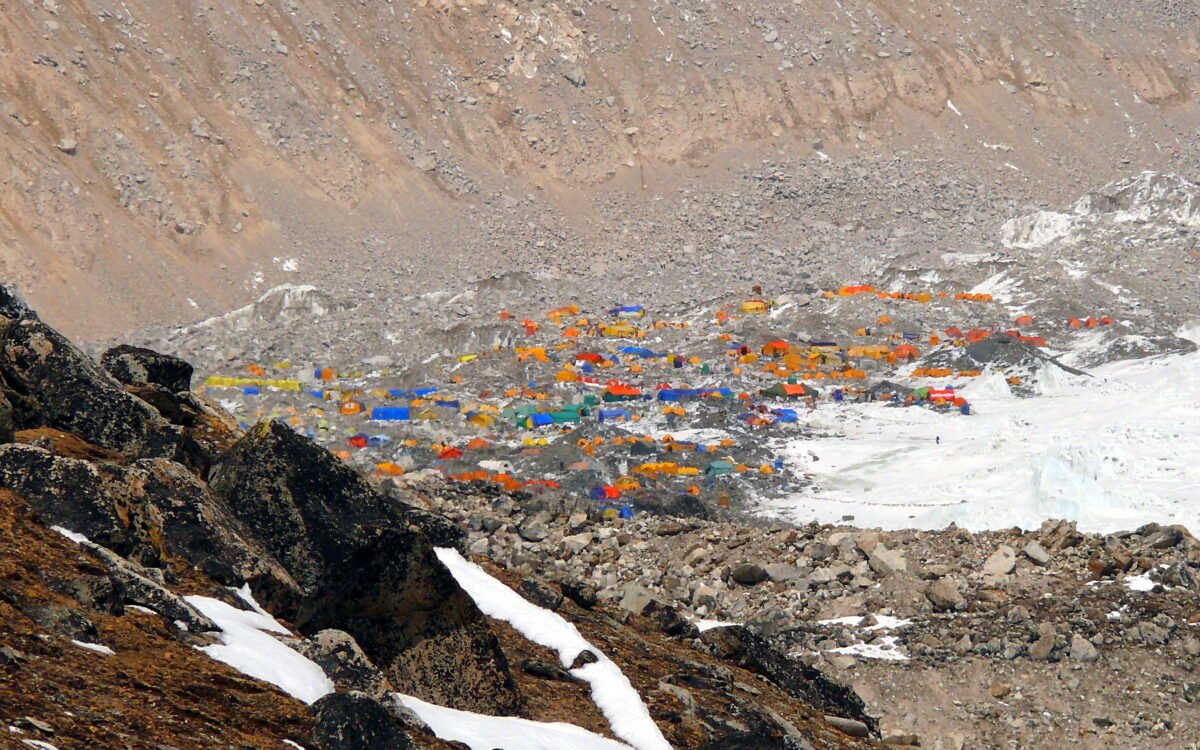
Everest Base Camp is the single most iconic destination in Himalayan trekking. You walk through Sherpa villages to stand on the Khumbu Glacier, below Everest itself, at 5,364 metres.
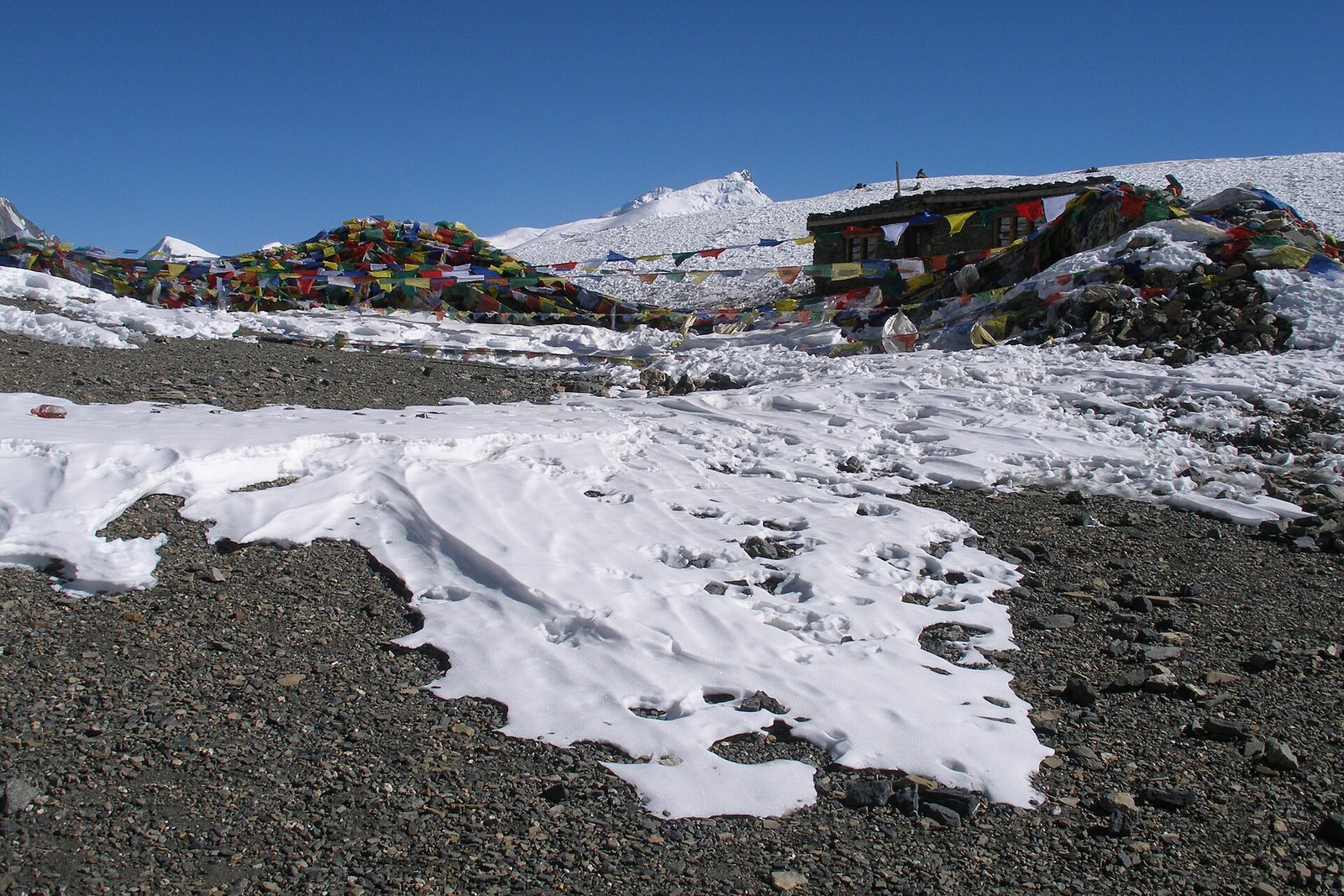
The Annapurna Circuit takes a different approach to drama. It loops around the whole Annapurna massif, crossing the Thorong La pass at 5,416 metres and passing through four climate zones on the way.
Both are teahouse treks, which means you sleep in village lodges instead of camping. That keeps the logistics simple and the daily costs low, which is a big part of their appeal.
Neither trek needs technical climbing skills or ropes. What they demand is steady walking fitness, patience with altitude, and two weeks you can genuinely spare.
How do the routes actually differ?
Everest Base Camp is an out-and-back walk up one valley. You fly to Lukla at 2,860 metres, climb through Namche Bazaar, Tengboche and Dingboche, then return the same way.
The Annapurna Circuit is a loop around the Annapurna massif. Most trekkers walk anticlockwise, heading up the Marsyangdi valley from Besisahar to Manang, then crossing the Thorong La to Muktinath.
That shape changes everything about the walking. On Everest you see the same trail twice, while on the Circuit almost every day brings a new valley, a new village and a new view.
The Circuit also starts on the road, which removes the flight risk. Everest depends on the Lukla flight, and bad weather can delay it for days at the start or the end of a trip.
| Feature | Everest Base Camp | Annapurna Circuit |
|---|---|---|
| Route shape | Out-and-back | Loop, anticlockwise |
| Typical length | 12–14 days | 12–15 days minimum |
| Total distance | About 130 km return | 160–230 km |
| Highest point | 5,364 m (5,545 m at Kala Patthar) | 5,416 m (Thorong La) |
| Highest sleep | Gorak Shep, 5,164 m | High Camp, about 4,800–4,900 m |
| Getting there | Flight to Lukla | Road from Kathmandu or Pokhara |
| Daily walking | 5–7 hours | 5–7 hours |
An updated comparison of both routes gives the same figures: 12–14 days for Everest and 12–15 days minimum for the Circuit.
Which trek is harder, and in what way?
Neither trek is simply harder than the other. They are difficult in different shapes, and the shape matters more than any single difficulty rating.
Everest Base Camp is hard through sustained exposure. You spend most of a week above 4,000 metres, with two acclimatisation days built into a standard 14-day itinerary.
The Annapurna Circuit is hard through one enormous day. The Thorong La crossing starts before dawn, climbs to 5,416 metres, then drops more than 1,600 metres to Muktinath in 7–9 hours.
Both routes rate as moderate to challenging, with five to seven hours of walking on most days. The Circuit’s longer days come from distance, while Everest’s come from thin air and steady climbing.
A detailed side-by-side comparison rates both treks as moderate to challenging, and calls the Thorong La the single biggest day on either route.
How much does each trek cost?
The Annapurna Circuit is the cheaper trek overall, mainly because it needs no flight. Everest Base Camp costs more because the Lukla flight alone adds hundreds of dollars.
Trek and Tour Nepal puts the Annapurna Circuit at roughly $800–$2,500 and Everest Base Camp at roughly $1,200–$4,000, depending on how much support you buy. The gap comes mostly from transport and trip length.
The Lukla return flight costs about $350–$400, according to the same source. By contrast, reaching the Annapurna trailhead by bus or jeep costs roughly $15–$50 each way.
Daily spending on food and lodging is similar on both routes. Teahouse rooms cost a few dollars a night, and meals are the main daily expense, so the per-day budget barely differs.
Places Nepal’s 2026 cost figures show the same pattern: its packages run $720–$990 for the Circuit and $1,100–$1,499 for Everest Base Camp.
| Cost item | Everest Base Camp | Annapurna Circuit |
|---|---|---|
| Transport to trailhead | Lukla flight, about $350–$400 return | Bus or jeep, about $15–$50 each way |
| Permits (foreigners) | About $45 | About $38 |
| Budget total | About $1,200–$2,200 | About $800–$1,500 |
| Mid-range total | About $1,800–$3,500 | About $1,200–$2,500 |
What permits do you need in 2026?
Permit rules changed in Nepal in 2023, and older guides online are now out of date. The two treks need different paperwork, so check the current rules before you go.
Everest Base Camp needs two permits and no TIMS card. You pay NPR 3,000 for Sagarmatha National Park and NPR 3,000 for the local Khumbu municipality permit, about $45 in total.
The Annapurna Circuit needs an ACAP permit and a TIMS card. The ACAP permit costs NPR 3,000 and the TIMS card NPR 2,000 for foreign trekkers, about $38 in total.
The guide rule is the bigger difference. Since April 2023, most main routes require a licensed guide through a registered agency, but the Everest region is the exception and solo trekking is allowed there.
Spade Himalaya’s 2026 permits guide confirms the fees above and notes that the Everest region rejected the guide rule, so a guide is not legally required in the Khumbu.
How does altitude risk differ between the two?
Both treks go above 5,000 metres, so altitude sickness is a real risk on either route. The difference is how the altitude arrives, not how high it gets.
Everest starts high and stays high. You land at Lukla at 2,860 metres and reach Namche Bazaar at 3,440 metres within two days, which is why the itinerary builds in acclimatisation days.
The Circuit climbs more gradually from around 800 metres, which gives your body more time to adjust. That gentle approach is one reason many guides call it the milder option for altitude.
But the Circuit has a trap of its own. Jeeps can now drive trekkers straight to Manang, skipping days of acclimatisation, and that shortcut can undo the route’s natural advantage.
On Everest, Places Nepal reports that altitude sickness affects 30–50% of trekkers on faster 12-day itineraries. Slower itineraries with proper rest days bring that risk down.
The standard advice is general, not medical: ascend gradually, take the scheduled rest days, drink plenty of water, and descend promptly if symptoms get worse. See a doctor before you go.
When is the best time to go?
October and November are the best months for both treks. The monsoon has washed the dust from the air, the skies are at their clearest, and the weather is at its most stable.
March and April are the second-best window. Days are warmer and longer, rhododendron forests bloom between 2,000 and 3,500 metres, and Everest Base Camp fills with expedition teams.
The monsoon, from June to mid-September, is the season to avoid for both routes. Rain floods trails, clouds hide the peaks, leeches appear in the forests, and Lukla flights can be cancelled for days.
Winter is possible but harsh at altitude. High passes can close in snow, and many high-route teahouses shut, so December to February suits lower treks better than either of these.
A month-by-month season guide calls October to November the clearest window, and suggests late November for the same skies with thinner crowds.
Check the latest travel news for trail and flight updates before you book, since conditions can change fast in the mountains.
What are the crowds and logistics really like?
October is the single busiest trekking month in Nepal, and both routes feel it. Teahouses in Namche and Dingboche fill early, and the Lukla flights run at full capacity.
On the Annapurna Circuit, daily crossings of the Thorong La can exceed 500 trekkers in October, according to a peak-season guide. That creates slow queues on the steepest sections.
Peak-season prices reflect the demand. Accommodation and meal costs run roughly 30–50% above off-peak rates through the busiest months, so the same trek costs noticeably more in October.
The Everest route adds one more pressure: flight delays. A cancelled Lukla flight can strand you in Kathmandu or Lukla for days, so wise trekkers keep buffer days at the end of the trip.
Book October departures two to three months ahead. Flights, teahouses and guides all fill early, and last-minute bookings in peak season usually mean worse rooms or no seat at all.
Which trek should you choose?
Choose Everest Base Camp if standing near Everest is the goal itself. Nothing on the Circuit matches the moment you first see the Khumbu Icefall and the peak above it.
Choose the Annapurna Circuit if variety matters more than one destination. The loop crosses subtropical valleys, pine forest, high desert and a great pass, with different cultures along the way.
Choose Everest if your time is tight and you can afford the flight. A standard 12–14 day itinerary fits a two-week holiday, and the route is simpler to plan and follow.
Choose the Circuit if you want the cheaper trip and a gentler altitude profile. It costs less overall, needs no flight, and climbs gradually — provided you walk the full approach and skip the jeep shortcut.
If you have three weeks, the Circuit rewards the extra days. If you have two weeks and a firm return flight, Everest is the safer bet, because the Circuit’s full loop deserves more time.
How should you prepare for either trek?
Start training at least eight weeks before departure. Walk long hills with a loaded pack, build up to five or six hours a day, and add stairs or step sessions for the climbs.
Break in your boots properly before you fly. Blisters on day two can ruin a two-week trek, and there is no easy way to buy well-fitting boots once you are on the trail.
Pack light but warm. Nights above 4,000 metres drop well below freezing in autumn, so a good sleeping bag and layered clothing matter more than extra gadgets.
Book your flights, permits and guide well ahead for October or April, and browse our adventure travel routes for more high-altitude ideas. Our travel guides cover more Himalayan and high-altitude trips, and the wider Travel section has route ideas for every season.
Frequently Asked Questions
Can a beginner do Everest Base Camp or the Annapurna Circuit?
Yes, a fit beginner can do either trek with preparation. Both are rated moderate to challenging, and neither needs technical climbing skills or ropes.
The key is fitness and time. Train for long walking days, choose a slower itinerary with rest days, and do not rush the altitude — the mountains punish haste more than inexperience.
How many days do I need for each trek?
Everest Base Camp typically takes 12–14 days, including the Lukla flights and two acclimatisation days. Shorter itineraries exist but raise the altitude risk.
The Annapurna Circuit needs 12–15 days at minimum, and 14–18 days for the classic full loop. Compressed 10-day versions exist, but they cut the acclimatisation margin sharply.
Do I need a guide for the Annapurna Circuit in 2026?
Yes, in most cases. Since April 2023, Nepal requires a licensed guide through a registered agency on most main routes, including the Annapurna region.
The Everest region is the exception. The Khumbu municipality rejected the rule, so a guide is not legally required for Everest Base Camp — though many trekkers still hire one.
What happens if my Lukla flight is cancelled?
Lukla flights are weather-dependent, and cancellations are common in the monsoon and in poor autumn weather. Delays of one to three days are possible, so keep buffer days in your plan.
Some trekkers fly to Ramechhap instead of Kathmandu in peak season, and a few walk in from Jiri or Salleri. Both options add days, so they work best as a backup, not a first choice.
Which trek is cheaper overall?
The Annapurna Circuit is cheaper. It needs no flight, its permits cost slightly less, and its daily spending is similar, so the total usually comes in several hundred dollars lower.
Everest Base Camp costs more mainly because of the Lukla flight, at about $350–$400 return. On a per-day basis, though, the two treks cost almost the same — the difference is transport, not lifestyle.