
Biophilic Interior Design: Bringing Natural Light, Wood, and Greenery Indoors
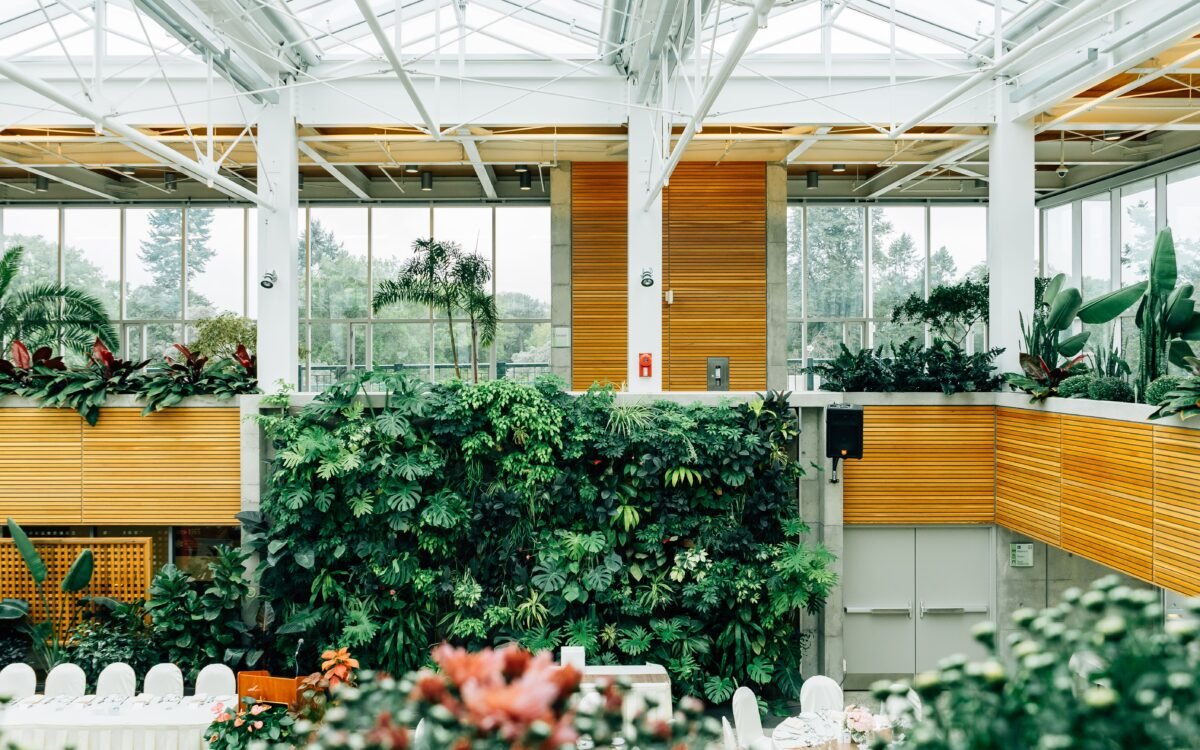
Biophilic interior design brings the outdoors inside. It uses daylight, wood, stone and living plants to make a home feel calmer, healthier and more alive.
The idea is simple. Humans spent most of our history outdoors, and our brains still respond to nature even when we live and work inside four walls.
This guide explains what biophilic design is, what the research says, and how to use it at home, room by room and on any budget.
What is biophilic interior design?
Biophilic interior design connects people with nature through the rooms they live in. It is not a style or a colour scheme. It is a way of designing that treats nature as a basic human need.
The word comes from biophilia, the idea that humans have an innate pull toward living things. The biologist Edward O. Wilson popularised the term in his 1984 book Biophilia.
In practice, it means daylight instead of harsh overhead lamps, real wood instead of plastic that imitates it, and living plants instead of pictures of plants.
It also means shapes, patterns and sounds that echo nature. Curved lines, leaf-like patterns and the sound of water all count as biophilic elements.
Most practitioners work from Stephen Kellert’s framework, which organises biophilic design into three groups: nature in the space, natural analogues and nature of the space.
Our interior design ideas show how these principles look in real homes, from small flats to family houses.
Why does our brain respond to nature indoors?
The evidence starts with a famous hospital study. In 1984, researcher Roger Ulrich found that patients with a view of trees recovered faster than patients facing a brick wall.
They needed fewer painkillers and left hospital sooner. The study is still cited today because it showed that a view of nature changes the body, not just the mood.
Later research found the same pattern at work. A global survey of 7,600 office workers found that people in nature-rich offices reported 15% higher wellbeing and 15% higher creativity.
The same study recorded a 6% rise in productivity. That may sound small, but across a whole household or office, it adds up to real time and energy.
Stress recovery starts fast. One 2020 study found that the body’s stress response began to ease within the first four minutes of exposure to a biophilic space.
The mechanism is simple. Nature cues calm the nervous system, lower heart rate and reduce the stress hormone cortisol. Attention also recovers, which is why a glance at a plant can refresh focus.
Children benefit too. A landmark Danish study found that children exposed to more greenery had 55% fewer mental health problems later in life than those who were not.
How does natural light change a room?
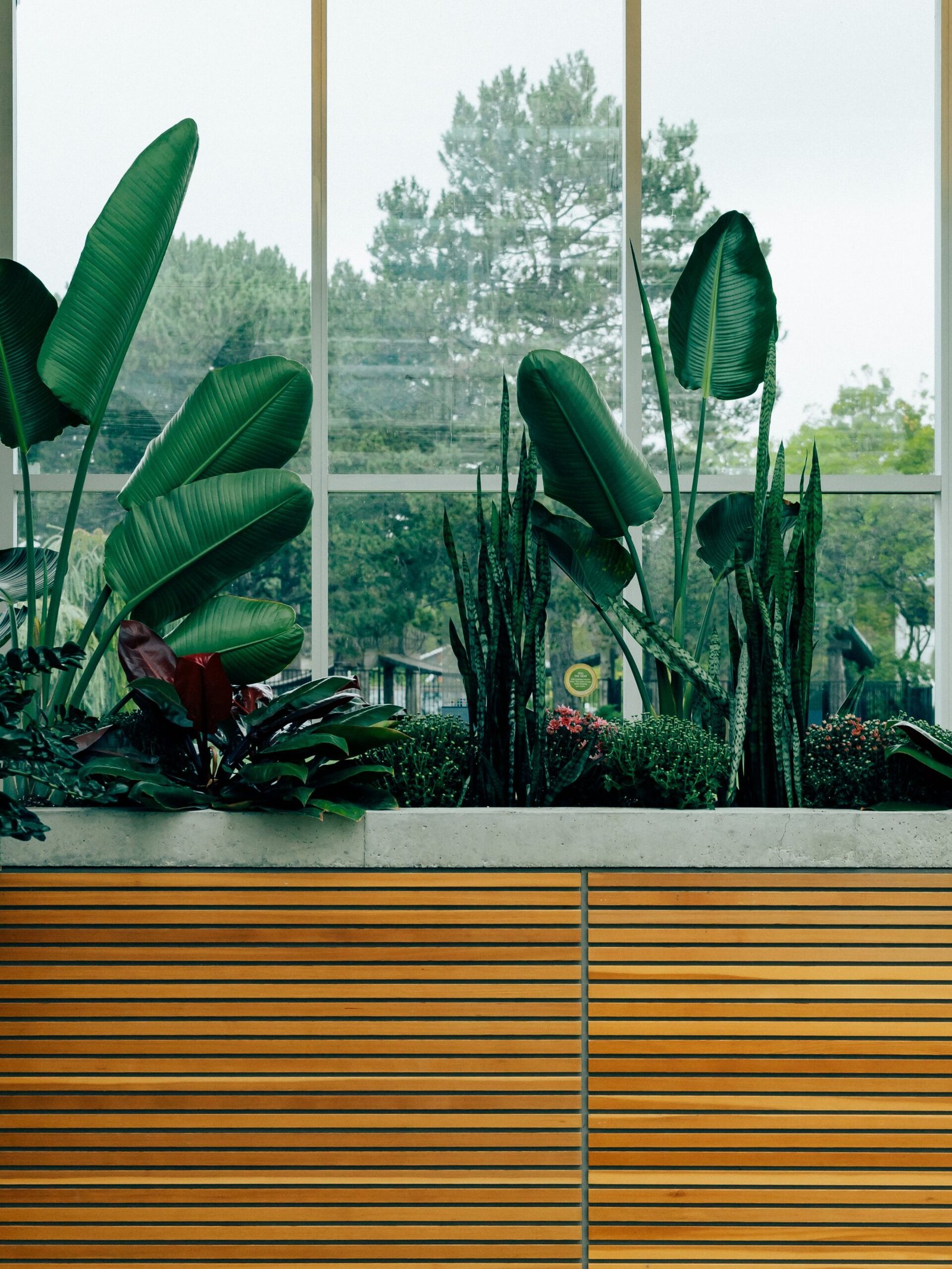
Daylight is the strongest biophilic element. Before buying plants or new furniture, look at how light moves through your rooms across the day.
Rooms with generous daylight feel larger and calmer. People sleep better too, because daylight keeps the body’s internal clock in step with the day.
Start by clearing the path of light. Move tall furniture away from windows, choose sheer curtains over heavy drapes, and keep glass clean.
Mirrors and pale, reflective surfaces push light deeper into a room. A mirror opposite a window can double the sense of brightness in a dark corner.
Skylights and light wells help in rooms with no outside wall. Where structural change is impossible, warm artificial light that shifts through the day is the next best option.
Avoid flat, cold overhead light. Layer lamps at different heights instead, so the room has pools of warm light rather than one harsh glare.
Which natural materials work best indoors?
Wood is the workhorse of biophilic design. It adds warmth, texture and a sense of age that plastic and laminate cannot match.
Use it where you touch it most. A solid wood table, oak flooring or timber shelving gives more biophilic value than a wood-effect print on a wall.
Stone brings a different quality. A stone worktop, a slate hearth or a pebble-textured tile adds weight and coolness that balance wood’s warmth.
Natural textiles soften hard surfaces. Linen curtains, wool throws and cotton cushions add texture and absorb sound, which makes rooms feel quieter.
Cork and rattan are useful too. Cork floors are warm underfoot and quiet, while rattan chairs and baskets add an organic, woven texture.
Choose materials that age well. Real wood and stone develop a patina over time, while cheap imitations tend to look worse with every year.
Natural materials deepen our connection with nature and matter for sustainability too, so they are worth choosing with care.
How do you choose indoor plants that actually survive?
Plants are the most visible part of biophilic design, and the easiest to get wrong. Choose species for your light and your habits, not for a photograph.
Snake plants and ZZ plants survive low light and missed watering. Pothos trails happily from a shelf, and a monstera makes a bold statement in a bright corner.
Group plants in clusters of three or five, at different heights. A single lonely plant on a shelf looks like an afterthought, while a group reads as a living display.
Match the pot to the plant. Terracotta breathes and suits plants that hate wet roots, while glazed ceramic holds moisture for thirstier species.
Be honest about the air-purifying claims. Plants do clean air in sealed laboratory chambers, but a normal room would need hundreds of them to notice a difference.
Their real value is psychological. Plants lower stress, soften hard corners and give a room something alive to look at, and that is reason enough.
What are the 14 patterns of biophilic design?
Designers often work from a framework of 14 patterns, set out by the consultancy Terrapin Bright Green in 2014. The patterns fall into three groups.
| Group | What it covers | Home example |
|---|---|---|
| Nature in the space | Direct contact with plants, water, light and air | A plant wall, a window view, openable windows |
| Natural analogues | Materials, forms and patterns that echo nature | Wood floors, leaf-patterned fabric, curved furniture |
| Nature of the space | Spatial qualities such as prospect and refuge | A reading nook, a long view across a room |
You do not need all 14 patterns. Most successful homes use five or six, chosen for the rooms and the people who live in them.
The most useful patterns for a home are visual connection with nature, dynamic light, natural materials, refuge and mystery. Together they cover light, texture and space.
Refuge means a sheltered spot where you feel safe, like a window seat or a deep armchair. Prospect means a long view, which is why open layouts feel so good.
How do colours and patterns bring nature indoors?
Colour is a quiet biophilic tool. Greens, warm browns, soft blues and stone greys echo forests, earth, sky and rock without shouting about it.
Use nature’s palette as a base, not a theme. A sage green wall with oak furniture feels natural, while a room painted like a jungle mural feels like a stage set.
Patterns matter too. Leaf shapes, branching lines and fractal-like detail echo the patterns our brains evolved to read in nature.
Keep patterns structured rather than chaotic. A botanical wallpaper on one wall works well, while the same print on every surface can feel overwhelming.
Fractal patterns deserve a mention. Research suggests that the repeating, self-similar patterns found in ferns and coastlines are calming to look at.
Balance is the rule. One strong natural pattern per room, supported by plain textures, gives the eye somewhere to rest and somewhere to explore.
How does biophilic design help a home office?
A home office is where biophilic design pays off fastest. Most of us spend hours there, and small changes can lift focus and mood all day.
Put the desk near a window. Daylight and a view of trees or sky reduce eye strain and give the brain regular moments of rest.
Add two or three plants within sight of your chair. Even a few seconds looking at greenery can restore attention after a long stretch of screen work.
Choose a wooden desk and natural textiles over glossy plastic. The warmth under your hands makes long working hours feel less tiring.
Keep the space uncluttered. Biophilic design is about calm, not accumulation, so clear surfaces let the natural elements do their work.
Add a refuge corner if you can. A comfortable chair with a soft throw gives you a place to read, think or take a call away from the desk.
How much does biophilic design cost?
Biophilic design can cost almost nothing. Moving a desk beside a window, opening curtains fully and adding three hardy plants may cost less than a dinner out.
A mid-range refresh costs more. Expect to budget for a few quality plants, natural-fibre textiles and one or two solid wood pieces, spread over months.
Large changes cost the most. Skylights, living walls and stone worktops need a professional and a real budget, so plan them as long-term projects.
Spend first where you spend time. A living room or home office gives far more value than a hallway, so start with the rooms you use every day.
A professional guide to biophilic materials weighs the real pros and cons of each choice, which helps you spend where it counts.
Prices vary widely by country and supplier. Check current prices before you buy, and buy plants from a local nursery rather than paying for delivery.
Our Home & Living section covers more home improvement projects with the same practical, budget-first approach.
What mistakes should you avoid?
The biggest mistake is treating plants as decoration. A room full of plastic plants and nature-print wallpaper is the opposite of biophilic design.
Another mistake is going too far. A room packed with plants, wood and stone can feel cluttered and hard to clean, which defeats the calm you wanted.
Do not ignore maintenance. A dead plant, a dusty green wall or a water feature that smells will make a room feel worse, not better.
Avoid fake nature where real nature is possible. A photograph of a forest is pleasant, but it cannot replace daylight, fresh air or a living plant.
Finally, do not copy a showroom. Biophilic design should fit your light, your climate and your life, not a photograph from another country.
How can renters use biophilic design without renovating?
Renters can use almost every biophilic idea without touching the structure. Plants, textiles and light are all portable, and landlords rarely object.
Use freestanding plant stands and hanging planters. They add greenery without drilling holes, and they move with you to the next home.
Swap curtains and cushions. Sheer linen curtains let in more light, while wool throws and cotton covers add natural texture to any sofa.
Add a large mirror opposite a window. It bounces daylight deeper into the room and costs far less than any structural change.
Choose furniture you can take with you. A solid wood side table or a rattan chair is an investment that works in any future home.
Where do you start in a small home?
Start with one room and one change. Pick the room you use most, then make the single biggest improvement, usually light or plants.
Clear one window completely. Remove heavy curtains, move the bookshelf, and let the daylight in before you spend anything at all.
Add three plants at different heights. A tall floor plant, a medium plant on a table and a trailing plant on a shelf create a layered, natural look.
Then add one natural material. A wooden tray, a stone coaster set or a linen throw is enough to change how the room feels to the touch.
Live with the change for a month. Notice what you enjoy, then add the next layer, rather than buying everything at once.
Read our latest news for seasonal home ideas before you buy, so your choices fit the season as well as the room.
Frequently asked questions
What is biophilic interior design in simple terms?
It is interior design that brings nature indoors through daylight, plants, wood, stone and natural patterns, so a home supports health and calm.
Does biophilic design really improve wellbeing?
Research says yes. A global workplace study found 15% higher wellbeing and creativity in nature-rich spaces, and hospital patients with tree views recovered faster.
Do I need a lot of plants for biophilic design?
No. Three well-chosen plants, good daylight and one natural material can make a room feel biophilic. Quality and placement matter more than quantity.
Is biophilic design expensive?
It can be nearly free. Moving furniture toward windows and adding hardy plants costs little, while skylights and living walls are the expensive end.
Can biophilic design work in a flat with no garden?
Yes. Daylight, indoor plants, wood and natural textiles work in any flat, and a window view of a tree or the sky counts as a nature connection.


