

Home Renovations With the Highest Resale ROI: Kitchens, Baths, and Curb Appeal
Every homeowner who renovates asks the same question. Which project will pay me back when I sell, and which one is money I will never see again?
The best ROI home renovations are not the ones you would guess. The biggest returns come from the outside of the house, not the inside.
A garage door that costs under $5,000 can add more than $12,500 in resale value. A steel front door can return more than double its cost.
Meanwhile, a luxury kitchen gut renovation can cost $160,000 and return barely a third of that. The gap between smart spending and showy spending is enormous.
This guide uses the two biggest national studies of renovation returns. One is the 2025 Cost vs. Value Report from Zonda and Remodeling Magazine.
The other is the 2025 Remodeling Impact Report from the National Association of Realtors and the remodeling industry group NARI.
Both reports agree on the same lesson: spend modestly, fix what buyers see first, and stop before the project turns into a luxury statement. Our home improvement coverage looks at the same question from every angle.
What does renovation ROI actually measure?
Return on investment, or ROI, is a simple ratio. Take the resale value a project adds, divide it by what the project cost, and you get the share of your money that comes back.
A project with 113% ROI returns more than it cost. A project with 50% ROI returns half. A project with 268% ROI returns nearly three times what you spent.
The Cost vs. Value Report builds its numbers from real contractor costs and appraiser estimates across hundreds of American markets. Its 2025 edition is the newest widely reported one.
The NAR report measures something different. It asks agents what they believe a project adds, and it asks homeowners how happy they were with the result.
That gives two numbers per project: a cost-recovery estimate and a joy score out of ten. The two reports often disagree, and the disagreement itself is useful.
Why does curb appeal beat every interior project on return?
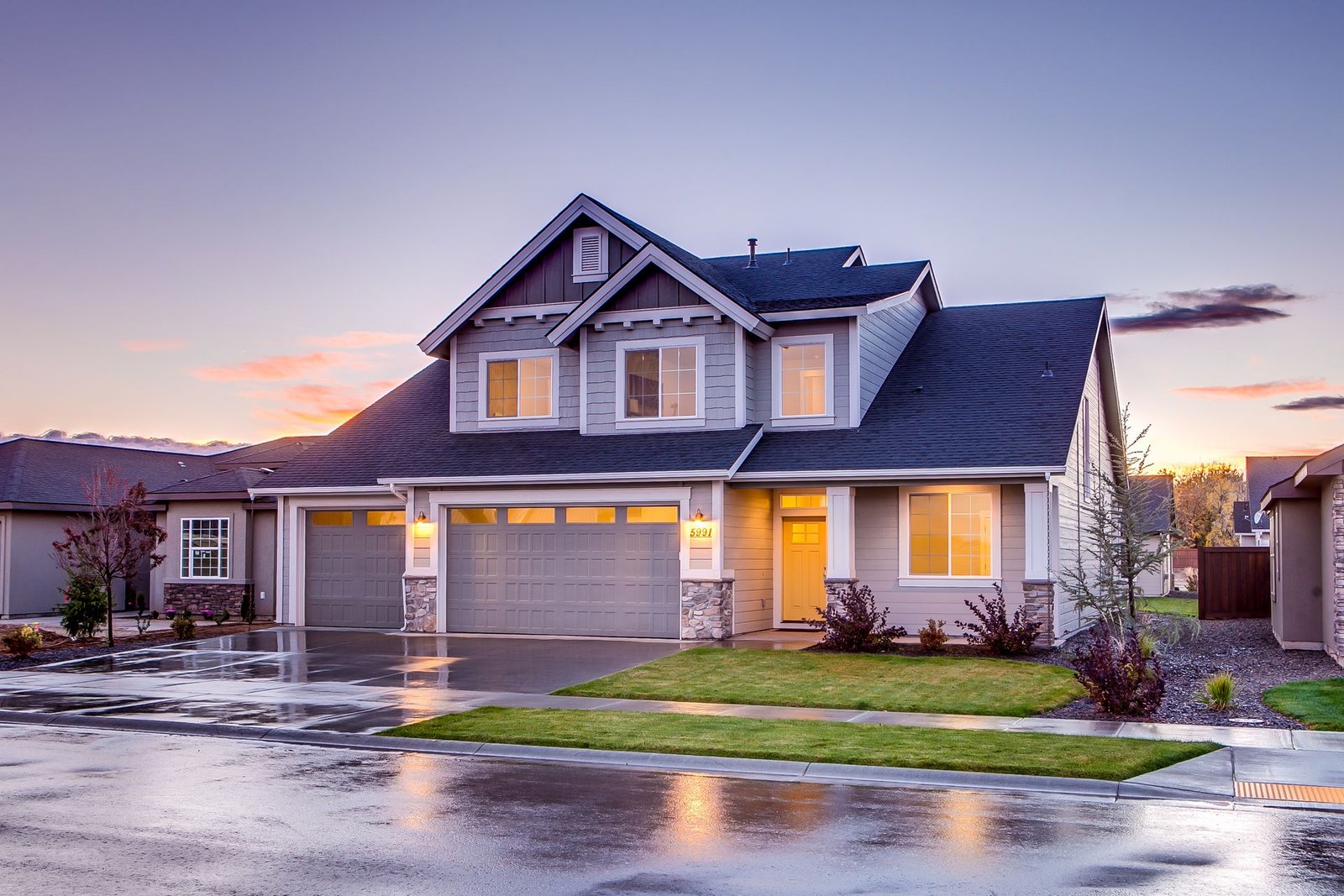
Buyers judge a house before they walk through the door, and most listing photos lead with the outside.
Research from the University of Texas at Arlington found that homes with strong curb appeal sell for about 7% more than comparable homes nearby.
The premium rises in slow markets, reaching 10–11% during the 2008 crisis, when buyers paid more for homes that clearly looked cared for.
A separate Virginia Tech study found that homes with good landscaping sold for 5.5% to 12.7% more than homes with average or poor landscaping.
The Cost vs. Value Report tells the same story in project terms. Eight of its top ten projects by return in 2025 were exterior work.
A garage door replacement led the whole ranking. It cost $4,672 on average and added $12,526 in resale value, a 268% return, up from 194% the year before.
A steel entry door replacement came next. It cost $2,435 and added about $5,270, a return of roughly 216%.
Manufactured stone veneer followed at about 208%. It cost roughly $11,000 and added roughly $22,880 in resale value.
Fibre-cement siding replacement returned about 114%. It cost roughly $19,000 and added roughly $21,600.
A neglected exterior also sends a warning. Buyers read peeling paint and a tired front door as a sign that the roof, the heating and the foundation may be neglected too.
Which kitchen remodel makes money — and which one loses it?
The kitchen is the most emotionally loaded room in a home sale. It is also the most dangerous place to overspend, because buyers judge it in seconds.
A minor kitchen remodel is the only kitchen project that reliably pays for itself. The Cost vs. Value Report defines it precisely, and the definition matters.
It means replacing cabinet doors and drawer fronts while keeping the existing cabinet boxes. It means new countertops, a new sink and faucet, new flooring and mid-grade appliances.
It does not mean moving walls, moving plumbing or buying custom cabinetry. The average cost nationally was $28,458, and the average resale value added was $32,141. That is a 113% return, rare for any interior project.
A major mid-range kitchen remodel tells a different story. It cost about $82,793 and recouped only about 51% of that at resale.
An upscale major kitchen remodel was worse still. It cost about $164,104 and returned roughly $58,561, or about 36% of the spend.
The NAR report is even more cautious. It estimated that a complete kitchen renovation recovers about 60% of its cost, and a minor kitchen upgrade about the same.
The highest-return move inside a kitchen is often the cheapest. Repainting sound cabinets costs $1,000 to $3,500 for a typical 10 by 10 foot kitchen.
Replacing those same cabinets costs $8,000 to $20,000. Cabinetry takes 25% to 35% of a kitchen budget, so paint is where the saving lives.
Keep the layout. Moving a sink or a gas range six feet costs $2,000 to $5,000 in plumbing and electrical work alone, and that money buys nothing a buyer can see.
See our interior design ideas for kitchens that sell for ways to refresh a kitchen without a full remodel.
What is the smartest way to spend on a bathroom?
Bathrooms are the second-most scrutinised rooms in any home showing. Buyers judge them on cleanliness and condition more than on luxury.
A mid-range bathroom remodel cost $26,138 on average in the 2025 Cost vs. Value Report. It added about $20,910 in resale value, an 80% return.
Moving a toilet or a shower drain costs $1,500 to $4,000. It adds nothing a buyer can photograph, and it eats the budget that could have bought visible finishes.
An upscale bathroom remodel cost about $81,612 and returned only about $34,000, or roughly 42% of the spend. Luxury finishes are valued by buyers at far less than they cost.
A bathroom refresh is the smarter play for most homes. It means a new vanity, mirror, lighting, faucet and toilet, plus a tile refresh, with the tub, shower and toilet staying put.
That kind of refresh costs roughly $8,000 to $18,000 for a full bathroom and returns about 60% to 70%, because it fixes exactly what buyers notice.
The highest-return bathroom move of all is adding a bathroom where the house is short. A three-bedroom home with one bathroom loses buyers at the morning queue.
The NAR report estimated that a bathroom addition recovers about 56% of its cost. That is a modest percentage, but it can unlock a larger pool of buyers.
Which small projects punch above their price?
Some of the best returns in the whole report cost less than a family holiday. Fresh paint is the cheapest high-return project in the house.
A full interior repaint costs $3,000 to $7,000 professionally for a 2,000 square foot home, or $1,000 to $2,000 if you do it yourself.
It returns 60% to 100% or more in perceived value. Paint is what buyers photograph, and it makes every other room look maintained.
Real estate agents agree. In the NAR report, 50% of agents recommended painting the entire home before selling, and 41% recommended painting at least one room.
Only 30% recommended a kitchen upgrade and 24% a bathroom renovation. Paint beats both as a pre-sale recommendation.
A new steel front door is another small giant. The NAR report estimated it recovers 100% of its cost, the only project to reach that mark.
Pressure-washing siding, refreshing the front door colour and replacing dated hardware are smaller still. None of them needs demolition, and all of them signal care.
These projects share one trait. They fix what the buyer sees first, and they cost a fraction of a room remodel.
How do the two big reports disagree — and which one should you trust?
The two reports disagree most on kitchens and bathrooms, and the gap is worth understanding before you trust either number.
Cost vs. Value says a minor kitchen remodel returns 113%. NAR says a minor kitchen upgrade recovers about 60%. Both cannot be right for your house.
The difference is method. Cost vs. Value uses contractor costs and appraiser estimates of added value. NAR uses agents’ opinions of what buyers will pay.
Agents see the negotiation, where buyers discount a remodel they did not choose. Appraisers see the comparable sales, where a good kitchen lifts the price.
The honest answer is to treat the two figures as a range. A minor kitchen remodel probably returns somewhere between 60% and 113% of its cost.
The reports agree on the ranking even when they disagree on the numbers. Exteriors beat interiors, modest beats lavish, and small beats big.
Use both reports together. If a project scores well in both, it is a safe bet. If it scores well in only one, be cautious.
What should you never renovate for resale alone?
Some projects feel like investments but behave like expenses. The data is consistent about which ones lose the most money.
A major upscale kitchen remodel is the classic example. It can cost $160,000 or more and return barely a third of that at sale.
The extra spend buys finishes a buyer values at far less than they cost. Custom cabinetry, imported stone and professional-grade appliances rarely earn their price back.
Highly personal choices also hurt. Bold tile, themed rooms and built-in features for a single hobby narrow the pool of buyers who will love your house.
The rule is simple. Renovate for resale only when the project is something almost every buyer wants. Kitchens, bathrooms, paint and kerb appeal qualify.
Renovate for yourself when the project is something only you want. Just do not expect the next owner to pay for it.
How do you plan a renovation budget that protects your return?
Start with the value of your home, not with a dream board. The best ROI home renovations stay in proportion to the house they sit in.
A $30,000 kitchen in a $200,000 home is over-improvement. A $30,000 kitchen in a $600,000 home is expected. The same project can be smart or foolish depending on the street.
Set aside a contingency of 10% to 20% on top of the quote. Old houses hide surprises behind walls, and a budget without a buffer is a budget that will break.
Spend the money where buyers look. Kitchens and bathrooms first, then paint and flooring, then the front of the house.
Check current local costs before you commit, and read our latest home and property news for how renovation and housing markets are moving.
When should you renovate — before listing, or years before?
Timing matters as much as scope. A renovation done the month before listing is judged as a sales tactic. One done years earlier is judged as a home.
If you plan to sell within a year, stick to the cheap, high-return work. Paint, hardware, landscaping, a new front door and a garage door are the right moves.
A full kitchen or bathroom remodel just before listing rarely pays off. You pay retail prices, suffer the disruption and give the buyer a brand-new room they did not choose.
If you plan to stay for five years or more, the maths changes. A kitchen or bathroom you enjoy for years is worth doing even if it returns only half its cost.
Renovate early if you want to enjoy it. Renovate lightly if you want to sell it. Do not do a big renovation for a buyer you have not met yet.
Follow the latest property trends in our home and living section for more on how markets are moving.
Frequently asked questions
What are the best ROI home renovations overall?
The best ROI home renovations are exterior projects. A garage door replacement returned about 268% in the 2025 Cost vs. Value Report, and a steel entry door about 216%.
A minor kitchen remodel at about 113% is the best interior project. A mid-range bathroom remodel at about 80% comes next.
How much does a minor kitchen remodel cost?
A mid-range minor kitchen remodel cost $28,458 on average nationally in 2025, and added about $32,141 in resale value.
It covers new cabinet fronts, countertops, sink, faucet, flooring and mid-grade appliances, with no layout or plumbing changes.
Is a bathroom remodel worth it before selling?
A mid-range bathroom remodel returns about 80% of its cost, according to the 2025 Cost vs. Value Report. A lighter refresh returns about 60% to 70%.
An upscale bathroom remodel returns only about 42%, so keep the scope modest and do not move the plumbing.
How much value does curb appeal add?
Homes with strong curb appeal sell for about 7% more than comparable homes, according to University of Texas at Arlington research.
The premium can rise to 10–11% in slow markets. Good landscaping alone has been linked to sale prices 5.5% to 12.7% higher.
Should I renovate before selling my house?
Do the cheap, high-return work first: paint, a new front door, landscaping and a garage door. These cost little and change the first impression.
Skip a big kitchen or bathroom remodel just before listing. It rarely pays for itself, and the buyer may not value your choices.
| Project | Average cost | Resale value added | ROI / cost recovered |
|---|---|---|---|
| Garage door replacement | $4,672 | $12,526 | 268% |
| Steel entry door replacement | $2,435 | $5,270 | 216% |
| Manufactured stone veneer | ~$11,000 | ~$22,880 | 208% |
| Fibre-cement siding replacement | ~$19,000 | ~$21,600 | 114% |
| Minor kitchen remodel, mid-range | $28,458 | $32,141 | 113% |
| Mid-range bathroom remodel | $26,138 | $20,910 | 80% |
| Major kitchen remodel, mid-range | $82,793 | $42,130 | 51% |
| Upscale bathroom remodel | $81,612 | $34,000 | 42% |
| Major kitchen remodel, upscale | $164,104 | $58,561 | 36% |
2025 national averages from the Cost vs. Value Report, via the editorial sources above. Treat NAR and Cost vs. Value as a range.


