Thanksgiving air travel is the ‘Super Bowl’ of American flying, according to US Transportation Secretary Sean Duffy — and so far the system is holding. Tens of millions of people are flying, driving and taking the train home for Thanksgiving, and despite winter storms on both coasts, delays and cancellations have been few.
That is the good news. The harder part is still to come: the storms are moving, the holiday itself is the busiest day, and the weekend will test an air traffic system that already showed its fragility earlier in the week.
Why is this week so busy?
Thanksgiving concentrates travel in a way few other holidays do. Families converge from across the country for a single long weekend, and the Wednesday before the holiday is traditionally one of the busiest travel days of the year in the United States. Everyone is heading in the same direction at the same time — and then, a few days later, everyone heads back.
That concentration is what makes the week a test. An airport can handle a busy day, but a busy week with bad weather leaves no slack: a delayed flight cannot be absorbed, a cancelled flight cannot be rebooked onto an empty one, because there are no empty ones.
How are the airports coping?
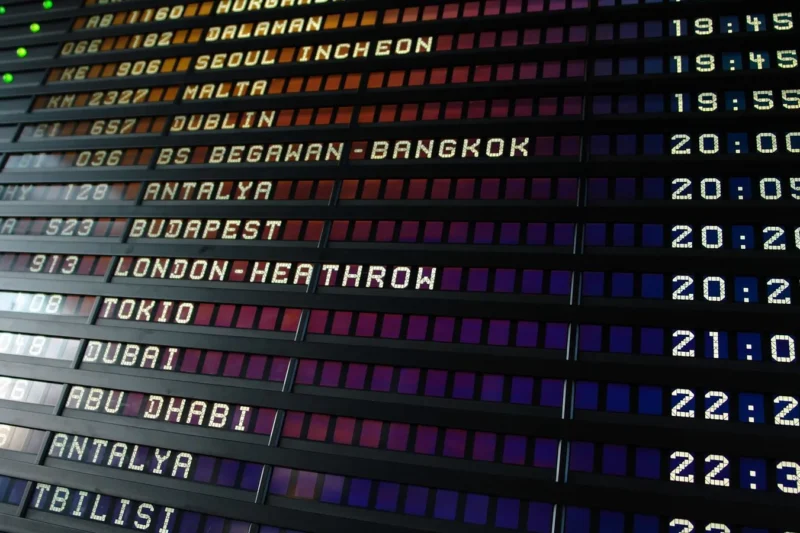
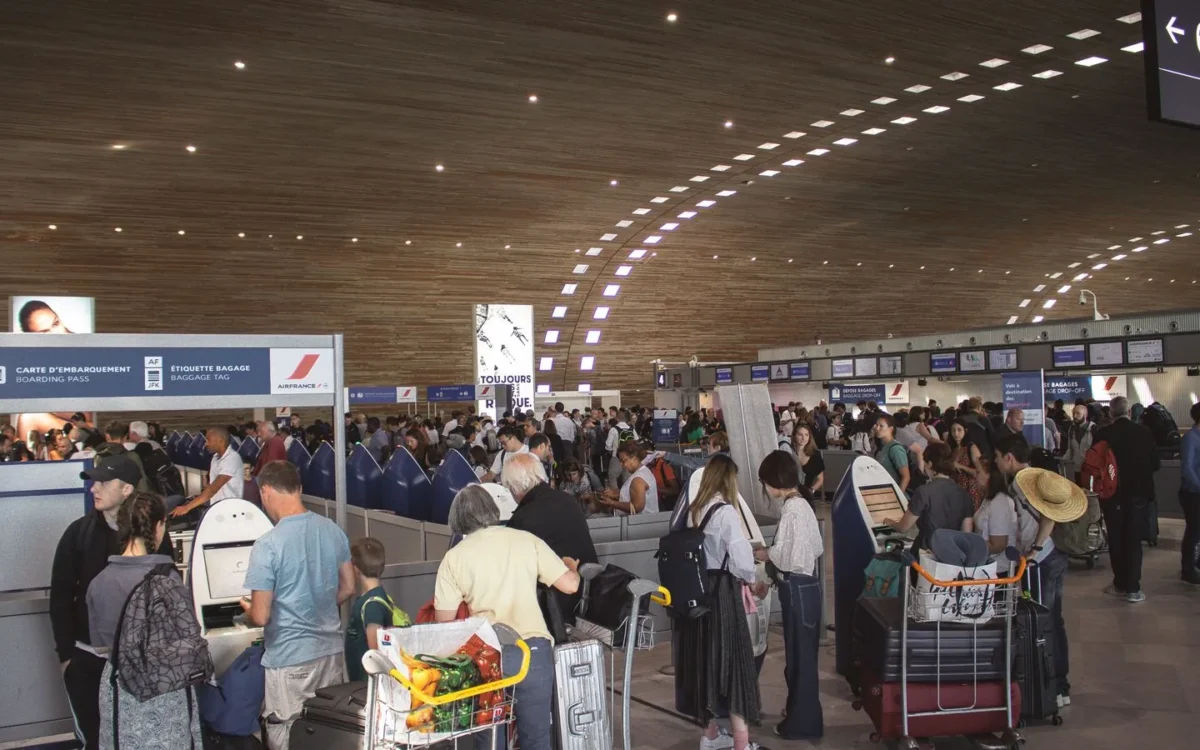
At Dallas Fort Worth, one of the country’s busiest airports, the picture on Wednesday afternoon was calm. The departure board was mostly “on time”, cancellations were few, and the terminal looked like a typical airport scene. NPR’s Ava Berger, reporting from the airport, found travellers moving through without the chaos the week is famous for.
The numbers back that up. Cirium, the aviation analytics firm, said that as of Wednesday afternoon, cancellations at US airports were running lower than on an average day. Security was quick, too: Katherine Carter and her sister Karen McKellar, who flew from Philadelphia to Dallas to watch the Cowboys play the Eagles on Thanksgiving, left home at 4 a.m. for a 6 a.m. flight and found plenty of TSA agents on duty. Some travellers said the experience was easier than on other days.
What could still go wrong?
The weather. Heavy storms are hitting both coasts, with the first snow of the season in some areas, and Cirium is predicting a wave of cancellations in the Northeast on Thanksgiving Day itself. The holiday and the weekend are expected to be the hardest part of the week.
The return is the second test. The same storms moving up the New England coast will still be around when people fly home, and the days after the holiday are traditionally the busiest for returns. A traveller who gets out easily may still struggle to get back.
The system has already wobbled. There was a ground delay at Chicago O’Hare on Tuesday, a Delta system outage on Sunday, and technology issues at another carrier on Monday. A nationwide ground stop after a telecom failure earlier showed how quickly one failure can spread. US air traffic control still relies on what NPR describes as an “antique” network, and that fragility is part of why travellers are nervous.
What about the roads and the rails?
Tens of millions are not flying at all. Many are driving, and the cost of fuel is the downside: at a Buc-ee’s service station, drivers talked about gas prices as the one thing making the trip more expensive. Mark Garrett, driving home from the University of Oklahoma with his daughter Megan, joked about taking out a “gas loan” for the journey.
Fuel prices have been volatile this year, and the Thanksgiving drive is where that volatility is felt most directly. Trains are also carrying their share of the holiday crowd, and for many families the train is the fallback when flying looks risky.
At an airport bar on Sunday, one traveller waited out a delayed flight to New York with a romance novel and a glass of Sauvignon Blanc, worried about the return leg from Buffalo as a storm moved up the New England coast. It is a small scene, but it captures the week: plans made, weather watched, and a drink while waiting to see which wins.
What should travellers do?
The practical advice is simple: check your flight before you leave, know your rebooking options, and allow extra time if you are flying through the Northeast on Thanksgiving Day. Air travel is already shaped by rules and costs that put some travellers off, and a storm is the worst time to discover them.
If a flight is cancelled, rebooking early matters more than rebooking well: the same storm that cancels your flight is cancelling everyone else’s too. And for those with the choice, the drive — gas prices aside — is the one option the weather cannot cancel outright.
Frequently Asked Questions
Is Thanksgiving the busiest travel week in the US?
By the Transportation Secretary’s description, it is the “Super Bowl” of US air travel, with tens of millions of people flying, driving and taking the train home for the holiday.
Are flights being cancelled?
So far, few. Cirium said cancellations were running lower than on an average day as of Wednesday afternoon, but a wave is predicted in the Northeast on Thanksgiving Day.
Which airports are most affected?
The Northeast faces the worst of the coming storm. Dallas Fort Worth was mostly on time, and Chicago O’Hare saw a ground delay earlier in the week.
Is it better to drive?
Driving avoids cancellations but not the cost: gas prices are the main downside, and storms affect the roads too.
What should I do if my flight is cancelled?
Rebook as early as you can, check your options before you travel, and allow extra time if you are flying through the Northeast.
Sources
- NPR — With millions going home for Thanksgiving, it’s the ‘Super Bowl’ of air travel — https://www.npr.org/2026/11/25/nx-s1-6044178/with-millions-going-home-for-thanksgiving-its-the-super-bowl-of-air-travel