The Cairo fuel tanker fire that swept across the capital’s Ring Road on 25 November killed 31 people and injured 21 others, Egypt’s Health Ministry said. A fuel tanker overturned on the highway in Giza, caught fire, and the blaze spread to nearby vehicles before firefighters could bring it under control.
It was one of the deadliest road crashes in Egypt in recent years, and it happened on a road that carries some of the heaviest traffic in the country. By the time the flames were out, a stretch of the Ring Road was covered in burnt-out vehicles, and families were waiting for news of relatives who had been travelling through the area.
Officials have not yet said what caused the tanker to overturn. A prosecutor’s investigation is under way, and DNA samples are being taken from bodies that could not be identified at the scene. For now, the confirmed facts are stark: 31 people dead, 21 injured, and dozens of vehicles destroyed.
What happened on the Cairo Ring Road?
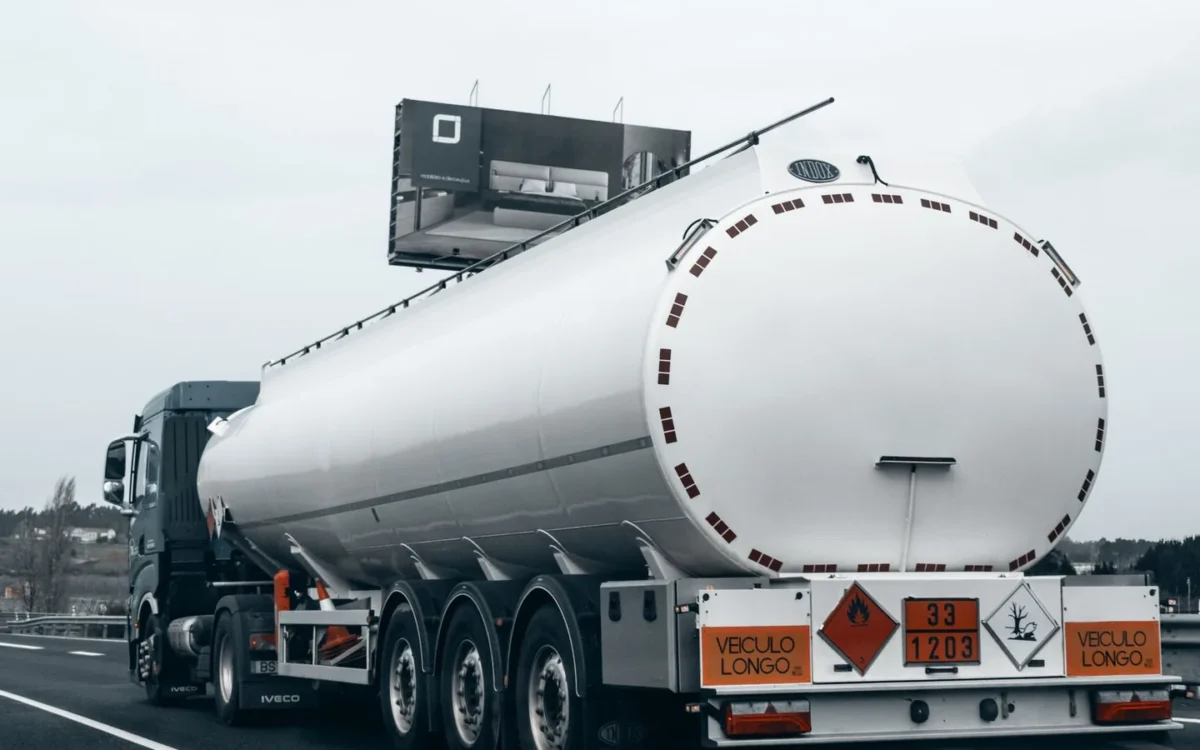
According to the BBC reported that 31 people had been killed after the tanker overturned and caught fire on the Ring Road in Giza. The tanker belonged to a private contractor, and it was travelling on the highway when it overturned. The fuel it was carrying ignited, and the fire spread quickly.
Video posted on social media, which the BBC said it had not verified, showed flames rising from the road and thick black smoke over the highway. Drivers who were caught behind the tanker had little time to move away, and several vehicles were engulfed. Reports from the scene described people running from their cars as the fire took hold.
Emergency services sent 39 ambulances to the scene, and injured people were taken to hospitals in the area, many with burns and smoke inhalation. The highway was closed while firefighters worked, and it was later cleared and reopened, with a bulldozer used to move burnt wrecks out of the way.
Why was the fire so deadly?
A fuel tanker fire is different from an ordinary crash. When a tanker overturns, fuel can spread across the road in seconds, and a single spark can turn it into a wall of flame. The heat is intense, the smoke is thick, and the fire can jump from one vehicle to the next before people in traffic behind have a chance to reverse or leave their cars.
That is why the number of vehicles destroyed matters as much as the tanker itself. Reports from the scene said dozens of vehicles were burned, which suggests that the fire spread well beyond the tanker. People in cars behind it would have had very little warning, and on a busy highway there is often nowhere to go.
The time of day and the traffic on the Ring Road would also have played a part, although officials have not given a detailed account of the conditions. The Ring Road circles Greater Cairo and carries a large share of the city’s freight and through traffic, so a blockage there affects far more than the vehicles directly involved.
What do we know about the victims?
The Health Ministry said 31 people had been killed and 21 injured, a figure that was also reported by other news outlets as the day went on. Early reports had put the death toll at at least 30, and it rose as bodies were recovered and identified.
Some of the dead could not be identified at the scene, which is why prosecutors ordered DNA samples to be taken. That process takes time, and it means some families will have to wait for confirmation before they can make funeral arrangements. It is a painful detail, but it is a normal part of the investigation after a fire of this kind.
The injured were taken to hospitals, where doctors treated burns and the effects of smoke. The Health Ministry did not give a breakdown of how many were in a serious condition, and that information may become clearer as hospitals update their figures.
How dangerous are Egypt’s roads?
This crash did not happen in isolation. Nearly 6,000 people died on Egypt’s roads last year, according to figures reported by the BBC, a rise of several hundred on the previous year. That is a high toll, and it has made road safety a recurring subject of public debate in Egypt.
Heavy vehicles, including fuel tankers, are a particular concern. They carry large loads, they travel long distances on busy roads, and a crash involving one of them can affect many more people than a crash involving a single car. The contractor that owned the tanker in this case will be part of the investigation, and questions are likely to be asked about the vehicle, its load and the driver.
Egypt is also a country where the road network is central to daily life and to trade. The Ring Road is not a minor route, and a serious incident there has consequences for freight, for commuters and for emergency services. The same roads that carry goods into Cairo also carry humanitarian aid corridors into Gaza, with Egypt acting as a key route for aid, and for how trade routes are shifting across the region. A crash on a road like this is therefore not only a local tragedy, but a reminder of how much depends on a small number of busy highways.
What happens next?
The prosecutor’s investigation is the immediate next step. It will look at how the tanker overturned, whether the vehicle was in good condition, and whether any rules were broken. That investigation could take weeks, and its findings will determine whether anyone faces charges.
Families of the dead and injured will also be waiting for support and for answers. In crashes of this kind, the identification process, the hospital treatment and the insurance and compensation questions can take a long time to resolve, and they often receive less attention than the crash itself.
There will also be questions about road safety on the Ring Road. Should fuel tankers be restricted to certain times of day, or to certain lanes? Should there be better separation between heavy vehicles and other traffic? Those are the kinds of measures that are often discussed after a serious crash, and they are worth watching for in the coming weeks. The wider region is already dealing with security and trade risks in the Middle East, and a major road disaster adds pressure to systems that are already stretched.
Frequently Asked Questions
How many people were killed in the Cairo fuel tanker fire?
Thirty-one people were killed and 21 injured, according to Egypt’s Health Ministry. Early reports had put the death toll at at least 30, and it rose as more bodies were recovered.
Where did the crash happen?
The crash happened on the Ring Road in Giza, on a highway surrounding Cairo. A fuel tanker overturned there and caught fire, and the blaze spread to nearby vehicles.
What caused the tanker to overturn?
Officials have not yet given an account of how the tanker overturned or how the fire started. A prosecutor’s investigation is under way, and DNA samples are being taken from bodies that could not be identified.
Is the Ring Road open again?
Yes. The highway was closed while firefighters worked at the scene, and it was later cleared and reopened, with burnt wrecks removed by bulldozer.
How many people die on Egypt’s roads each year?
Nearly 6,000 people died on Egypt’s roads last year, according to figures reported by the BBC, a rise of several hundred on the previous year.
Sources
- BBC News — Thirty-one killed in massive fire as fuel tanker crashes on Cairo highway — https://www.bbc.com/news/articles/cqy7rn30v314o