
Used EV Buying Guide: Best Bargains, Battery Health Checks, and Tax Credits
Buying a used electric car in 2026 is the cheapest way into electric driving. Prices have fallen, choice has grown, and the battery is no longer the gamble it once seemed.
The catch is that the rules changed this year. The federal used-EV tax credit is gone, so the bargain now comes from the price itself, not from a rebate.
This guide covers what used EVs cost, which ones hold up best, how to check a battery before you pay, and what incentives are actually left.
Why are used EVs such good value in 2026?
New EV sales fell after the federal purchase credits ended, and that pushed more cars into the used market. Supply grew while demand stayed cautious, and prices followed.
The average used EV listing was $35,895 in April 2026, according to Cox Automotive data cited by Coltura’s guide to used EV prices. That is close to the average used petrol car.
Depreciation has been steep, which hurts sellers and helps buyers. A three-year-old EV can cost half its new price, yet still have most of its battery life left.
What does the average used EV cost in 2026?
Prices rose through the first half of 2026, then held near their peak. The average one- to five-year-old used EV listed at $33,305 in June 2026, up 7.4% in a year, per iSeeCars data cited by SAKAEM’s guide to the best used EVs.
By August 2026 the average retail listing had reached $37,441, according to Cox Automotive data cited in Recurrent’s market report. The market is firming, not collapsing.
More than half of used EV listings in September 2026 were under $30,000, Recurrent found. About 18% of used EV sales in early 2026 were under $25,000.
| Budget | What you may find | Best for |
|---|---|---|
| Under $10,000 | Older Nissan Leaf, Fiat 500e, BMW i3 | Short commutes, second car |
| $10,000–$20,000 | Chevrolet Bolt EV, Leaf Plus, Kona Electric | Daily driving on a budget |
| $20,000–$30,000 | Tesla Model 3, Hyundai Ioniq 5, Kia EV6 | Long range and fast charging |
| Over $30,000 | Newer Model Y, Ioniq 6, Mustang Mach-E | Nearly-new cars with warranty left |
Which used EVs are the best bargains?
The Tesla Model 3 is the default pick for most buyers. It averaged $28,520 for one- to five-year-old cars in June 2026, iSeeCars found, with the deepest inventory of any used EV.
The Chevrolet Bolt EV is the budget star. It was the fastest-selling used EV in September 2026 at a median price of $17,990, according to Recurrent data cited in SAKAEM’s ranking of the best used EVs.
Its slow 55 kW fast charging is the trade-off. For a buyer with home charging, that rarely matters, and the Bolt’s 259 miles of range covers most daily driving.
The Hyundai Ioniq 5 and Kia EV6 sit in the middle. They charge far faster than the Bolt, offer more space, and their batteries have aged better than most, as the data below shows.
What is battery state of health, and why does it matter?
State of health, or SoH, is the share of a battery’s original usable capacity that it still holds. A car at 90% SoH should return about 90% of its original range on a full charge.
The battery is the most expensive part of an EV by far. A weak pack means less range, slower charging and a much lower resale value, so SoH is the number that matters most.
Degradation is not failure. A pack that has lost 10% of its capacity is a normal pack living its normal life, and it can keep serving for years.
What does real-world data show after 100,000 miles?
The largest study yet comes from Aviloo, an EV battery diagnostics company. It analysed more than 500,000 battery health tests on 20 popular models, collected between 2022 and 2026.
After 150,000 km, about 93,000 miles, most models still held 90% or more of their original capacity. Sixteen of the twenty models were above 90%, Hackaday’s report on the Aviloo study explains.
The Hyundai Ioniq 5 aged best, holding about 97% at 50,000 km and still about 94% at 150,000 km. The Tesla Model Y went from about 94.5% to about 90.3% over the same distance.
Air-cooled packs fared worst. The early Nissan Leaf and Renault Zoe, which lack liquid cooling, fell to about 87% at 150,000 km, and lost 3–4% a year in hot climates.
Geotab’s telematics study of more than 22,700 EVs puts average degradation at 2.3% a year. That projects to about 81.6% of capacity after eight years, well above the 70% warranty floor.
How do I check a used EV’s battery before buying?
Start with the car’s own battery health screen. On a Tesla, it sits under Controls, then Service, then Battery Health, and it takes seconds to read.
Next, do a full-charge range check. Charge to 100% and compare the displayed range with the car’s original rated range, allowing for cold weather and wheel size.
For a car you are serious about, get an independent battery report. Services such as Recurrent read the car’s data, while Aviloo’s FLASH test runs a three-minute check through the OBD port.
A seller who refuses every battery check is telling you something. Walk away, because there are plenty of other cars, as Blossom EV’s battery health guide puts it.
What does the battery warranty actually cover?
Federal rules require EV batteries to be warranted against falling below 70% capacity for eight years or 100,000 miles. Most makers meet or beat that baseline.
Tesla covers the Model 3 and Model Y battery for eight years, to 100,000 miles on standard-range cars and 120,000 miles on long-range cars, at the same 70% threshold.
The warranty usually transfers to the next owner, so a four-year-old car may still carry four years of battery cover. Check the exact in-service date before you assume anything.
What happens if the battery needs replacing?
Full replacements are rare. Recurrent’s study of more than 30,000 EVs found that only 0.3% of models from 2022 onward had a battery replaced outside major recalls.
When it does happen, the bill is large. Recurrent puts out-of-warranty replacement at $5,000 to $16,000 for most cars, while AAA’s range runs from $5,000 to $20,000 or more.
Big packs cost more. A large luxury pack can run $17,000 to $30,000, according to The Energy Collective’s guide to EV battery costs.
Module-level repair is often cheaper. Many packs let a shop replace individual degraded modules for $2,000 to $6,000, so always ask for a module-level diagnostic before accepting a full-pack quote.
Is there still a used EV tax credit in 2026?
No, not for a car bought in 2026. The federal used-EV credit under Section 25E ended for vehicles acquired after 30 September 2025.
The credit was worth 30% of the sale price, up to $4,000, for cars priced at $25,000 or less and bought from a dealer. The One Big Beautiful Bill Act ended it early.
The only exception covers buyers who signed a binding written contract and made a payment on or before 30 September 2025. Those buyers can still claim it when the car is placed in service.
There is no federal credit for a used EV bought in 2026, and the new-car loan interest deduction applies only to new vehicles. State money is now the only money, as EV Digest’s 2026 tax credit guide explains.
What state and utility incentives are left?
Colorado leads for used buyers. Its Vehicle Exchange Colorado program offers $6,000 off a used EV at a participating dealer for income-qualified households that trade in an older vehicle.
California’s Clean Cars 4 All pays up to $12,000 to lower-income households that scrap an older car. It is the largest single state incentive, but it requires scrapping a vehicle.
Massachusetts offers $3,500 for a used EV to income-qualified buyers, and New Mexico pays $2,500. Pennsylvania offers $3,000 for a new or used EV priced under $45,000.
Utility rebates help too. In California, PG&E and Southern California Edison have paid $1,000, or $4,000 for income-qualified buyers, toward a pre-owned EV, CarAdvanced’s guide to 2026 incentives reports.
Programs run out of money and change their terms. Confirm the amount on the program’s own page in the week you buy, not months earlier.
What else should I check before I buy?
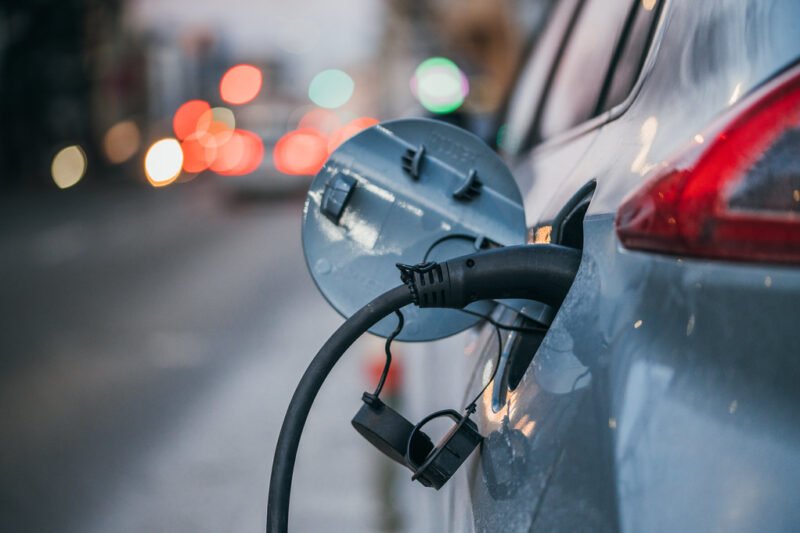
Check the charging port and cable. A damaged port, a missing cable or a fast-charge flap that will not close can each cost hundreds to fix.
Check the tyres and brakes. EVs are heavy and wear tyres faster, and a car with worn tyres and thin brakes is hiding a four-figure bill.
Check the software. Make sure the car connects to its app, accepts updates and has no outstanding recalls, because some makers lock features behind the previous owner’s account.
Get a pre-purchase inspection from an EV-aware mechanic. It costs far less than one missed fault, and it gives you leverage to renegotiate the price.
Finally, test the car the way you will use it. Drive it on your commute, charge it at home if you can, and see whether the real range fits your real life.
Our electric vehicles coverage tracks new EV news, while our car reviews compare the models most buyers shortlist.
For the wider picture, our automotive coverage covers the market, and the latest news follows incentive changes as they happen.
Frequently Asked Questions
Is buying a used electric car a good idea in 2026?
Yes, for most buyers. Prices are close to used petrol cars, batteries hold up better than the headlines suggest, and the best models still have years of warranty left.
What is a good battery state of health for a used EV?
High 80s after six to eight years is fine. Below roughly 70–75%, range and resale value fall off, and the car is near its warranty floor.
How can I check a used EV battery without special tools?
Use the car’s own battery health screen, then charge to 100% and compare the displayed range with the original rated range. For a final check, buy an independent battery report.
Does the used EV tax credit still exist in 2026?
No. The federal $4,000 used-EV credit ended for vehicles acquired after 30 September 2025. Some states still offer their own rebates for used EVs.
Which used EV holds its battery best?
In Aviloo’s 500,000-test study, the Hyundai Ioniq 5 held the most capacity, at about 94% after 150,000 km. Liquid-cooled packs generally age far better than air-cooled ones.
Sources: SAKAEM Logistics, Coltura, Hackaday, Blossom EV, EV Digest, CarAdvanced and The Energy Collective. Figures are as reported by those publications as of 25 November 2026.
Prices and incentives are 2026 guide figures — check current prices and current tax-credit rules before buying. This article is general information, not financial or tax advice.