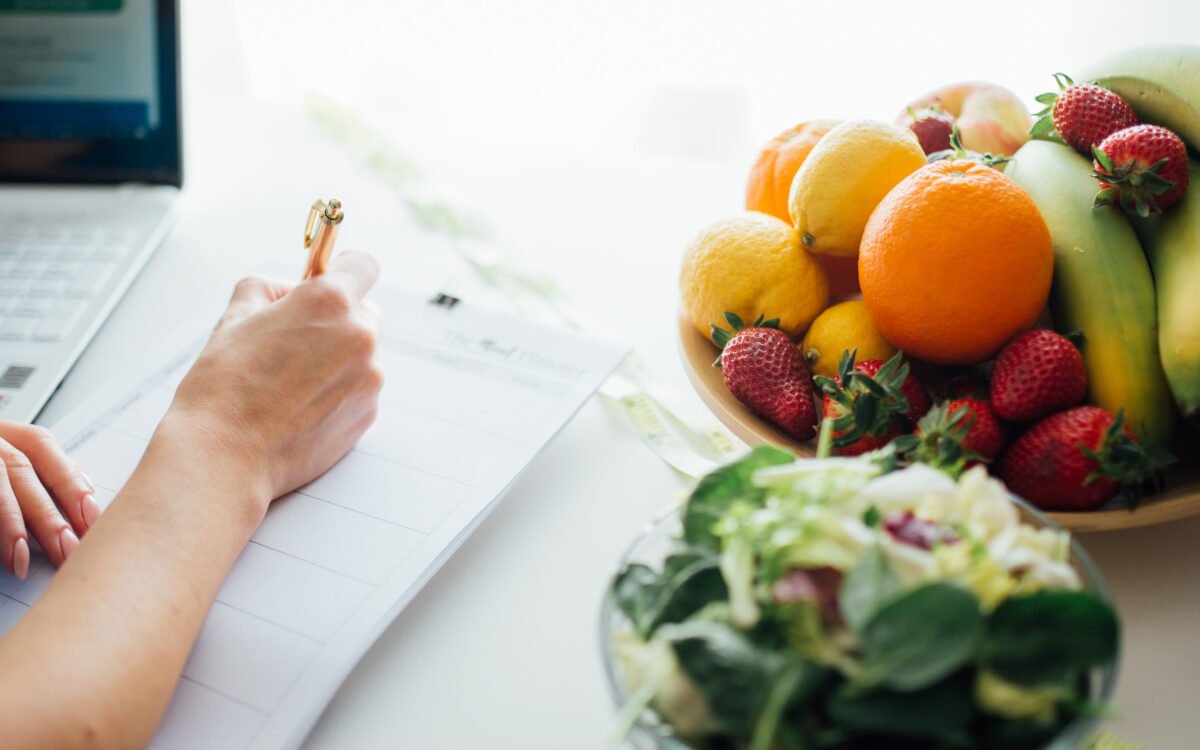
Ultra-Processed Foods vs. Whole Nutrition: Practical Meal Strategies for Busy Professionals
Most busy professionals do not eat badly on purpose. They eat what is fast, and fast food today is mostly ultra-processed.
If you want to avoid ultra processed foods, the answer is not willpower or a perfect diet. It is a system that makes whole food the easy choice.
Ultra-processed foods now supply more than half of the calories in the average American diet. That is the starting point for this guide.
This article explains what these foods are, what the research actually shows, and how to build simple whole-food meals around a busy working week.
What exactly counts as an ultra-processed food?
The clearest definition comes from the NOVA system, created by Brazilian researcher Carlos Monteiro and his team in 2009. It sorts foods by how much industry has changed them.
NOVA has four groups. Group one is unprocessed or minimally processed food, like fruit, vegetables, eggs and fresh meat. Group two covers cooking ingredients like oil, butter and salt.
Group three is processed food: simple foods with salt, sugar or fat added, like canned beans, cheese and fresh bread. Group four is ultra-processed food, and that is where the trouble starts.
Ultra-processed foods are industrial recipes, not modified whole foods. They are made from substances extracted from food, like oils, sugars and protein isolates, plus additives you would never use at home.
The giveaway is the ingredient list. Emulsifiers, flavour enhancers, colourings, modified starches and sweeteners are markers of ultra-processing, as the NOVA classification explains.
Typical examples include fizzy drinks, packaged snacks, instant noodles, frozen pizza, mass-produced bread, flavoured yoghurt, breakfast cereals and reconstituted meat products like chicken nuggets.
Not all processed food is ultra-processed. A tin of beans, a block of cheese or a loaf from a bakery are processed, but they are still recognisably food. The line is about how far the product has travelled from its ingredients.
How much of our diet is ultra-processed?
The scale of the change is striking. The US Centers for Disease Control and Prevention published its most detailed national figures in August 2025, in Data Brief 536.
American adults get about 53 percent of their calories from ultra-processed foods, and young people aged 2 to 19 get about 62 percent, according to the CDC’s national figures.
The pattern is similar in other wealthy countries. Ultra-processed foods supply about 57 percent of calories in the United Kingdom and about 42 percent in Australia.
Children eat even more of them. In the UK, teenagers get about 66 percent of their calories from ultra-processed foods, which makes childhood the most exposed age group.
What does the research say about ultra processed food health risks?
The evidence base is now very large. In February 2024, researchers published the biggest umbrella review so far in the BMJ, covering 45 meta-analyses and about 9.9 million people.
It linked higher ultra-processed food intake to 32 health problems, including heart disease, type 2 diabetes, obesity, some cancers, depression and early death, as the review’s findings show.
The strongest links were convincing, in the review’s own grading. Death from cardiovascular disease was about 50 percent higher, anxiety about 48 percent higher, and type 2 diabetes about 12 percent higher.
A Lancet review published in 2025 brought together 43 leading experts and 104 long-term studies. In 92 of those studies, higher intake was linked to chronic disease or early death.
The American Heart Association’s science advisory, published in August 2025, reached a similar conclusion. High intake was linked to 25 to 58 percent higher cardiometabolic risk and 21 to 66 percent higher mortality.
A 2025 study of more than 1.2 million people, funded by the US National Institutes of Health, found the highest consumers faced 17 percent higher cardiovascular risk and 23 percent higher coronary heart disease risk.
Inflammation is one likely mechanism. A 2025 study of 9,254 American adults found the highest consumers had significantly higher levels of hs-CRP, a blood marker of inflammation, as Florida Atlantic University researchers reported.
Honesty matters here. Most of this evidence is observational, which means it shows links, not proof of cause. Only a few clinical trials exist, and the NOVA system itself is contested.
Some nutrition scientists argue the system focuses too much on processing type and too little on how much of a food people eat. Regulators, including Europe’s food safety authority, have no agreed legal definition yet.
That is why the strongest evidence comes from the one rigorous trial we have. It is worth looking at in detail, because it shows the mechanism, not just the association.
Why do ultra-processed foods make us overeat?
In 2019, researchers at the US National Institutes of Health ran a tightly controlled inpatient trial led by Dr Kevin Hall, published in Cell Metabolism.
Twenty healthy adults lived at the NIH Clinical Center for a month. For two weeks they ate an ultra-processed diet, and for two weeks a minimally processed one, in random order.
Both diets were matched for calories, sugar, fat, fibre and salt on paper. The only difference was the degree of processing, which makes the result unusually clean.
On the ultra-processed diet, people ate about 500 extra calories a day, ate faster, and gained about 0.9 kilograms in two weeks. On the unprocessed diet they lost the same amount.
The researchers concluded that ultra-processed foods cause people to eat too many calories and gain weight, as the NIH trial explains.
Why does this happen? Ultra-processed foods are engineered to be hyperpalatable: salty, sweet, fatty and easy to chew, so each bite delivers reward with little effort.
They are also low in fibre and water, which are the two things that normally tell your stomach you are full. A soft, calorie-dense snack disappears before fullness signals arrive.
Add aggressive marketing, huge portion sizes and food that is ready in seconds, and the environment does the rest. Overeating becomes the default, not a personal failure.
What is whole food nutrition, in practice?
Whole food nutrition is not a diet with a trademark. It is simply eating food that is close to its natural state, most of the time.
A useful picture is the plate method. Fill half the plate with vegetables and fruit, a quarter with lean protein, and a quarter with whole grains or starchy vegetables.
Protein can be eggs, fish, chicken, lentils, beans or tofu. Grains can be oats, brown rice, quinoa, whole wheat bread or potatoes. Fat can come from olive oil, nuts and seeds.
Fibre is the quiet hero of whole food nutrition. It slows digestion, steadies blood sugar, feeds gut bacteria and keeps you full for hours after a meal.
The goal is a pattern, not perfection. If most of your meals are built from recognisable ingredients, the occasional packaged snack does not undo the pattern.
How can busy professionals cut back without cooking all day?
The mistake is trying to cook a fresh meal every night. Nobody with a full calendar sustains that, and the system collapses by Wednesday.
A better approach is component prep. Instead of planning five different meals, prepare building blocks once or twice a week and combine them in different ways.
A focused 90-minute session is enough for most people. Start grains and legumes on the stove, roast two or three vegetables, cook one protein, wash raw vegetables, and make one sauce.
That routine comes from a 90-minute weekly method used by nutrition professionals, and it works because the food is ready before hunger strikes.
With components waiting in the fridge, a meal takes five minutes. A grain bowl is rice, roasted vegetables, protein and sauce. A salad is greens, raw vegetables and beans.
What does a realistic week of whole-food meals look like?
A realistic week is boring in the best sense: the same building blocks, combined differently, so nothing feels like a chore. Here is one pattern that works for many professionals.
| Day | Lunch | Dinner |
|---|---|---|
| Monday | Quinoa bowl with chickpeas and roast vegetables | Baked salmon, brown rice and steamed broccoli |
| Tuesday | Lentil salad with feta and raw vegetables | Stir-fried tofu with mixed vegetables and noodles |
| Wednesday | Whole wheat wrap with hummus and chicken | Bean chilli with brown rice and a green salad |
| Thursday | Grain bowl with eggs and roasted sweet potato | Grilled chicken, quinoa and roasted carrots |
| Friday | Lentil soup with whole wheat bread | Baked fish, potatoes and green beans |
Breakfast can stay simple all week. Overnight oats with berries, plain yoghurt with nuts, or eggs on toast all take under ten minutes.
What are the best swaps for the worst offenders?
Swaps work better than bans. You keep the habit and the pleasure, but change what is inside it. These are the highest-impact switches.
| Instead of this | Try this |
|---|---|
| Sugary breakfast cereal | Oats with berries and nuts |
| Fizzy drink | Sparkling water with lemon |
| Crisps | Air-popped popcorn or mixed nuts |
| Instant noodles | Whole wheat noodles with vegetables and egg |
| Frozen pizza | Whole wheat flatbread with tomato, cheese and vegetables |
| Flavoured yoghurt | Plain yoghurt with fruit and honey |
| Processed meat sandwich | Eggs, beans or leftover chicken in a wrap |
| Biscuits with tea | Apple slices with peanut butter |
Each swap removes several ultra-processed ingredients at once. Oats replace sugar, flavourings and emulsifiers with a single whole grain.
Start with one swap, not all eight. The drink is often the easiest, because a fizzy drink is pure sugar water with no nutrition to replace.
After two weeks, add a second swap. Small changes that stick beat dramatic overhauls that last four days and then collapse.
How do you shop so the healthy choice is the easy choice?
Shopping is where the week is won or lost. If ultra-processed food is in the house, you will eat it when you are tired, whatever your intentions were.
Shop the edges of the store first. Fresh produce, meat, fish and dairy usually sit around the perimeter, while the middle aisles hold most packaged foods.
Write a list before you go, and build it from the meals you actually plan to eat. A list cuts impulse buying and shortens the trip, which saves time as well as money.
Read labels with one quick rule. If the ingredient list is long and full of words you would never use in your own kitchen, put it back.
Frozen vegetables deserve a place on every list. They are cheap, they never go off, and they turn a ten-minute meal into a nutritious one.
Do not shop hungry. Hunger makes every packaged snack look reasonable, and research on decision fatigue shows tired brains choose the easiest option.
What about cost — is eating whole foods more expensive?
This is a fair question, and the honest answer is mixed. Some whole foods cost more per calorie than ultra-processed ones, especially fresh fish and out-of-season fruit.
But the cheapest foods in any supermarket are whole foods. Dried lentils, beans, oats, rice, eggs and seasonal vegetables cost very little per meal.
A pot of lentil soup costs a fraction of a delivered meal and feeds a family for two days. Batch cooking turns cheap ingredients into cheap meals.
A note before you start
This article is general information, not medical advice. The research it cites is real, but it describes population averages, not your personal health.
If you have diabetes, heart disease, kidney disease, food allergies or any condition that affects your diet, speak to a qualified professional before making major changes.
Small, steady changes are also safer than sudden overhauls. Your body adapts better to gradual shifts, and your habits are more likely to survive them.
Frequently asked questions
Is it realistic to avoid ultra processed foods completely?
No, and it is not necessary. The research links high intake to health risks, not the occasional packaged snack. Aim to make whole foods the default and ultra-processed foods the exception.
Are all processed foods bad for you?
No. Processing is a spectrum. Canned beans, plain yoghurt, frozen vegetables and fresh bread are processed but still nutritious. The concern is specifically ultra-processed foods, as the NOVA groups explain.
What is the single easiest change to make first?
Replace sugary drinks. They deliver calories with no fullness and no nutrients, and the swap to water or sparkling water with fruit is painless for most people.
Do I need to count calories to eat whole foods?
Usually not. Whole foods are high in fibre and water, which makes overeating harder. The NIH trial showed people naturally ate about 500 fewer calories a day on unprocessed food without counting anything.
How long does it take to feel a difference?
Many people notice steadier energy and less bloating within two to three weeks. Measurable changes in weight, blood sugar or cholesterol take longer, usually two to three months of consistent eating.
For more on building habits that last, see our Personal Growth coverage and the latest updates in our news section. Our Health & Wellness coverage and the wider Lifestyle section carry more guides in this series.