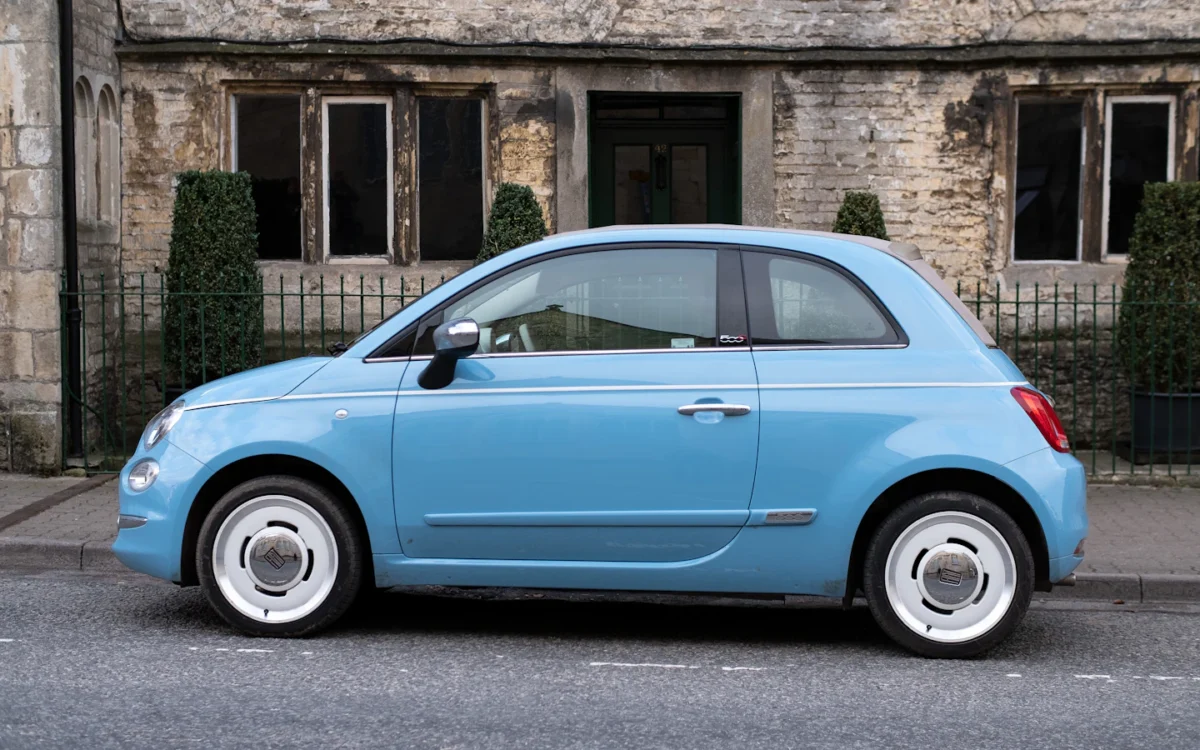
Suzuki Ignis EV Is a Tiny Electric City Car Built for Europe’s Streets
The Suzuki Ignis EV is the smallest electric car Suzuki has ever built for global markets, and it is aimed squarely at drivers who want a simple way into electric motoring. Suzuki unveiled the car at an online world premiere on November 25, 2026, and confirmed that sales will begin in Europe and other markets from summer 2027.
It is the third generation of the Ignis, a name Suzuki first used in 2000. This time, though, there is no petrol version at all. The new model is electric only, and it is built on a dedicated electric platform rather than adapted from a petrol car.
That matters because small, affordable electric cars remain rare. Most new EVs are large SUVs with large batteries and large prices. Suzuki is betting that a compact, easy-to-drive hatchback can win over city drivers who have held back from switching.
What exactly has Suzuki unveiled?
Suzuki calls the car its first compact EV for global markets. It was developed under the concept “Easy to Switch — the best city car for your neighbourhood,” a clear signal that the company wants the Ignis to feel familiar to drivers moving from a petrol car for the first time.
The car measures 3,570 mm long, 1,565 mm wide and 1,635 mm tall, with a 2,460 mm wheelbase. That makes it the smallest Ignis ever, and only slightly larger than a Japanese kei car. It seats four people.
Its tightest party trick is a minimum turning radius of just 4.5 metres. In practice, that should make U-turns on narrow streets and parking in cramped city spaces far easier than in a typical family hatchback.
What powers the new Ignis?
The Ignis uses a 26 kWh lithium iron phosphate (LFP) battery and a front-mounted electric motor producing 67 kW, or about 90 horsepower, with 133 Nm of torque. Power goes to the front wheels only.
Suzuki has built the car on its new HEARTECT-e platform, a dedicated electric architecture with the battery mounted beneath the floor. A newly developed eAxle combines the motor, inverter and reduction gears into a single unit, which helps keep the car compact.
LFP chemistry is a deliberate choice. It is known for thermal stability and a long service life, and it avoids the nickel and cobalt used in many other EV batteries. That should help keep costs down, although Suzuki has not yet announced a price.
How far will it go on a charge?
Suzuki has not yet published an official driving range for the European Ignis, and it has not released charging times or maximum charging speeds either. Those figures are expected closer to the start of sales in 2027.
For context, the closely related e Sky kei car sold in Japan is rated at 310 km on the WLTC cycle. The Ignis is larger and heavier, so buyers should not expect it to match that figure. Cold weather can also cut an EV’s real-world range, something city buyers should keep in mind when the official numbers arrive.
What Suzuki has said is that the car was tested extensively on public roads in Europe and other regions. Engineers tuned the power delivery, chassis and braking for local driving conditions, including winding roads and dense urban streets.
What does it look like inside?
The design keeps the friendly character of earlier Ignis models. The front has a blacked-out grille, slim daytime running lights and black fenders, skirts and rear bumper. The LED lights front and rear use graphics inspired by digital numerals, and the roof carries a distinctive off-centre antenna.
Inside, photos show a small digital instrument cluster, a prominent infotainment display, heated front seats and two USB-C ports. Unlike many rivals, the Ignis keeps a dedicated climate control panel instead of forcing every adjustment through the touchscreen. A driver monitoring system is also visible.
The second row is basic, with a simple cloth bench seat and little else. That is the trade-off for the car’s tiny footprint. This is a car built for short trips and daily errands, not for carrying four adults on long journeys. Anyone weighing that trade-off should read our guide to buying a used EV to see how small electric cars hold up in everyday use.
Why does this small car matter?
Suzuki has spent decades building small cars, and the Ignis is its most direct answer to a problem the whole industry faces: electric cars are still too big and too expensive for many buyers. A compact hatchback with a small battery uses fewer raw materials, costs less to build and is easier to park and charge in a city.
The timing also fits a wider shift. Chinese brands such as Leapmotor are scaling up affordable electric cars quickly, and European buyers are watching prices closely. Suzuki’s president, Toshihiro Suzuki, said the new Ignis brings together the company’s decades of small-car experience and its philosophy of “Sho-Sho-Kei-Tan-Bi” — smaller, fewer, lighter, shorter and beauty.
There are limits to what we know. With no range, charging or price figures, it is too early to judge whether the Ignis will be competitive. A 26 kWh battery is small by 2026 standards, and rivals such as the new wave of affordable EVs will set a tough benchmark. But as a city car, the Ignis does not need a huge battery. It needs to be cheap, simple and easy to live with.
When can buyers get one?
Sales will begin sequentially in Europe and other markets from summer 2027. Suzuki has not confirmed exact dates for individual countries, and it has not said whether the car will come to every market where the old Ignis was sold.
The car will not come to the United States. Suzuki stopped selling cars there in 2012, and the Ignis is designed for Europe, Japan and other markets where small cars still sell.
For now, the Ignis is a statement of intent. Suzuki is late to the electric transition compared with some rivals, but it has chosen to start with the kind of car it knows best: a small, honest city car. If the price is right when sales open, it could give many drivers their easiest route yet into an EV.
More coverage of new electric models can be found in our Automotive News section.
Toyota is taking a different route with hybrids — the Kentucky-built Camry is returning to Japan, priced lower than in the US.
Frequently Asked Questions
When will the Suzuki Ignis EV go on sale?
Sales are scheduled to begin in Europe and other markets from summer 2027. Suzuki has not announced exact dates for individual countries or confirmed pricing yet.
What battery and motor does the Ignis EV have?
It uses a 26 kWh lithium iron phosphate battery and a front-mounted electric motor producing 67 kW (about 90 horsepower) with 133 Nm of torque, driving the front wheels.
What is the driving range of the Suzuki Ignis EV?
Suzuki has not published an official range for the European model yet. The related Japanese e Sky kei car is rated at 310 km on the WLTC cycle, but the larger Ignis is unlikely to match that figure.
Will the Suzuki Ignis EV be sold in the United States?
No. Suzuki stopped selling cars in the United States in 2012, and the Ignis EV is aimed at Europe, Japan and other markets where small cars remain popular.
How big is the new Ignis?
It is 3,570 mm long, 1,565 mm wide and 1,635 mm tall, with a 2,460 mm wheelbase and seating for four. Its minimum turning radius is just 4.5 metres, which suits narrow city streets.