Mini Brains in Space Reveal How Alzheimer’s Changes by Gene
Scientists sent miniature human brains into space, and the results are changing how they think about Alzheimer’s disease. The Alzheimer’s brain organoids spent 40 days on the International Space Station, and the changes they showed depended on which gene mutation each one carried.
The study, published on November 25, 2026, in the journal Science Advances, comes from researchers at the University of California San Diego. It is the first time brain organoids modelling Alzheimer’s disease have been flown in space, and the findings suggest that spaceflight can reveal disease changes that are hard to see on Earth.
Alzheimer’s is often discussed as though it follows one predictable path. This research shows the picture is more complicated. Different inherited mutations produced distinctly different responses to the stress of spaceflight, which could point toward more targeted treatments in the future.
What are brain organoids?
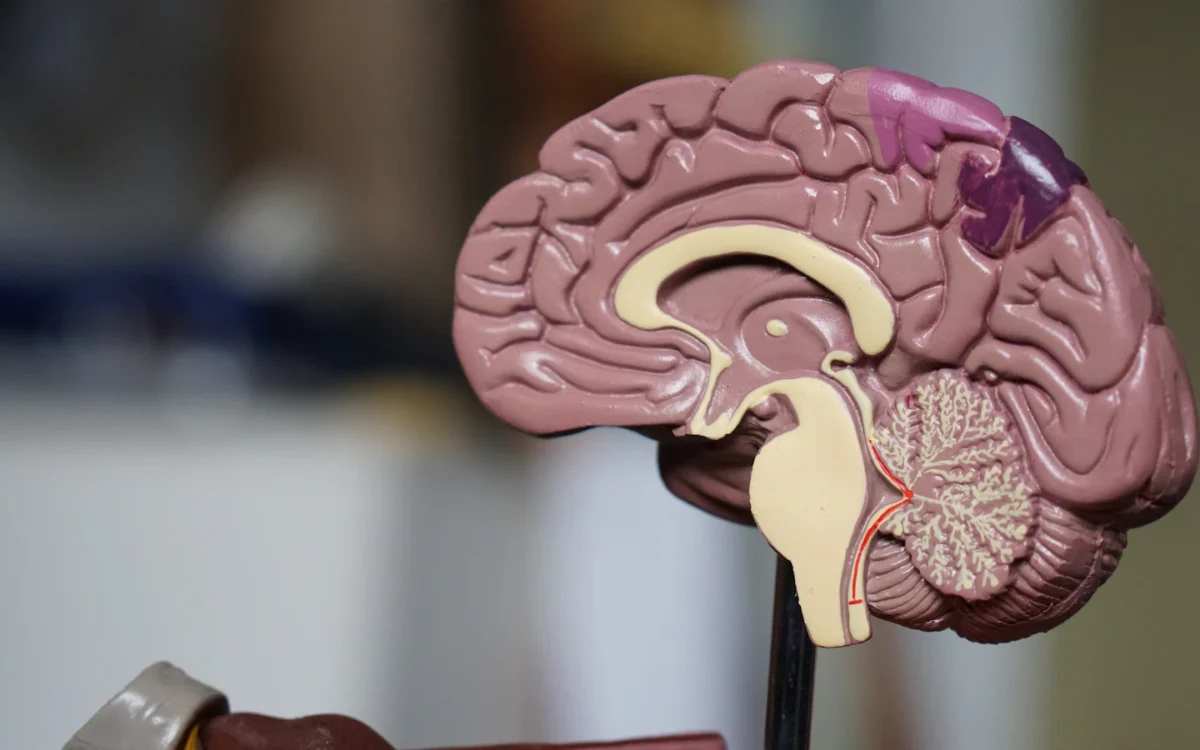
Brain organoids are small, three-dimensional models of neural tissue grown from stem cells in the laboratory. They are sometimes called mini brains because they reproduce some features of the human brain, including networks of nerve cells that communicate with each other.
They are not complete brains, and they cannot think or feel. But they let scientists study human brain cells in ways that are impossible inside a living person. Researchers can grow organoids from a patient’s own cells, or they can introduce specific genetic mutations and watch what changes.
For this study, the UC San Diego team grew organoids carrying mutations in three genes linked to rare inherited forms of Alzheimer’s disease: APP, PSEN1 and PSEN2. Other organoids, without those mutations, served as controls. That design let the team compare how each genetic background responded to the same environment.
In March 2024, the organoids travelled to the International Space Station, where they spent 40 days before returning to Earth. Ground copies of the same organoids were kept on Earth under carefully managed conditions, so the team could separate the effects of spaceflight from everything else.

What did spaceflight do to the organoids?
The responses were far from uniform. Organoids carrying an APP mutation showed increased amounts of amyloid-beta 42, a protein fragment that is particularly likely to clump together and form plaques in the brain. In one comparison, APP-mutant organoids from orbit averaged 100.62 picograms per millilitre of amyloid-beta 42, against 79.39 for their ground twins, about 27 percent more.
Organoids with a PSEN2 mutation showed higher levels of a disease-associated modified form of tau, the other protein most closely tied to Alzheimer’s. Those with a PSEN1 mutation showed particularly extensive changes in gene activity: 7,404 genes differed between space and ground samples, compared with 643 genes in the PSEN2 models.
Across all four lines, flown organoids carried an estimated 15.15 picograms per millilitre more amyloid-beta 42 than ground samples. The researchers also found changes in genes involved in communication between nerve cells, as well as in how cells produce energy and process RNA, the molecule that helps cells make proteins.
Despite these differences, one protein stood out across all groups. CIRBP, a protein that helps cells respond to environmental and physical stress, increased after spaceflight. Researchers found changes in networks linking CIRBP to nerve-cell signalling and other cellular processes. CIRBP is also being studied for its role in DNA repair and longevity.
Why study Alzheimer’s in space?
Spaceflight is a powerful stress test. Weightlessness, radiation and the confined environment of a spacecraft push cells in ways that Earth-bound laboratories cannot easily reproduce. Those stresses can pull hidden disease-related changes into view.
“We often talk about Alzheimer’s as though it follows one predictable path,” said Alysson R. Muotri, professor in the Departments of Pediatrics and Cellular and Molecular Medicine at UC San Diego School of Medicine, and the study’s senior author. “Understanding those differences could lead to more targeted treatments for this devastating disease.”
Muotri is also director of the Sanford Integrated Space Stem Cell Orbital Research Center at the UC San Diego Sanford Stem Cell Institute. His laboratory has been flying brain organoids for years, and an earlier run helped set up a clinical trial of a candidate treatment for Rett syndrome, a different neurological condition.
The idea is not that space causes Alzheimer’s. It is that the space environment reveals how different genetic backgrounds react to stress, and those reactions may mirror processes that unfold slowly in the brain over decades. If a mutation makes cells vulnerable in orbit, it may also shape how the disease develops on Earth.
What are the limits of the study?
The researchers are clear that the findings are preliminary. Most protein and chemical measurements came from three organoids per group, all from a single mission. The gene analysis used a similarly small pool. That is a starting point, not proof.
Organoids are also simplified models. They lack blood vessels, immune cells and the full structure of a real brain. The genetic changes in the study relate to a very small number of Alzheimer’s cases in humans, since most cases are not caused by these inherited mutations.
There are practical limits too. The organoids travelled in sealed vials with no fresh nutrient broth, and the team could not control every variable in orbit. The researchers now hope to determine whether the changes observed in space can be reproduced on Earth, and whether proteins such as CIRBP play a meaningful role in how Alzheimer’s develops.
The team plans to continue this line of research with new funding from NASA. DOXA Space, an applied biotechnology company co-founded by Muotri and focused on space-based research, was recently awarded a $12 million InSPA Phase 2 grant, of which $3.5 million will go to UC San Diego as a subaward.
The work connects with wider research into the brain and health. Brain-computer interfaces raise new questions about how technology interacts with the nervous system, while next-generation health wearables are changing how biological signals are tracked. Good sleep is also known to matter for brain health. Readers can find the latest Science and Innovation stories in the same section.
Repurposed drugs are showing promise elsewhere too — the cancer drug dasatinib has transformed life for two sisters with a rare blood disorder.
Frequently Asked Questions
What are Alzheimer’s brain organoids?
Alzheimer’s brain organoids are tiny, lab-grown clusters of human brain tissue made from stem cells. In this study, some carried inherited Alzheimer’s mutations in the APP, PSEN1 or PSEN2 genes, while others served as healthy controls. They let scientists study how brain cells respond to disease-linked genes outside the body.
How long did the organoids spend in space?
The organoids spent 40 days aboard the International Space Station after travelling there in March 2024. They were kept in an automated incubator at body temperature, and matched copies were kept on the ground on Earth so researchers could compare the two groups when the space samples returned.
What did the study find about Alzheimer’s genes?
Each mutation produced a different response to spaceflight. APP-mutant organoids made about 27 percent more amyloid-beta 42 than their ground twins. PSEN2-mutant organoids showed higher levels of a modified form of tau. PSEN1-mutant organoids showed the widest gene changes, with 7,404 genes differing between space and ground samples.
What is CIRBP and why does it matter?
CIRBP is a stress-response protein that helps cells cope with environmental and physical stress. Its levels rose across all organoid groups after spaceflight, making it the one change shared by every genetic background. Researchers now want to find out whether CIRBP plays a meaningful role in how Alzheimer’s develops, and whether it could become a target for treatment.
Does this mean space travel causes Alzheimer’s?
No. The study does not show that spaceflight causes Alzheimer’s disease. It uses space as a stress test to reveal how brain cells with different Alzheimer’s-linked mutations react under pressure. The findings are preliminary, based on a small number of organoids from one mission, and the team must now test whether the same changes can be reproduced on Earth.