
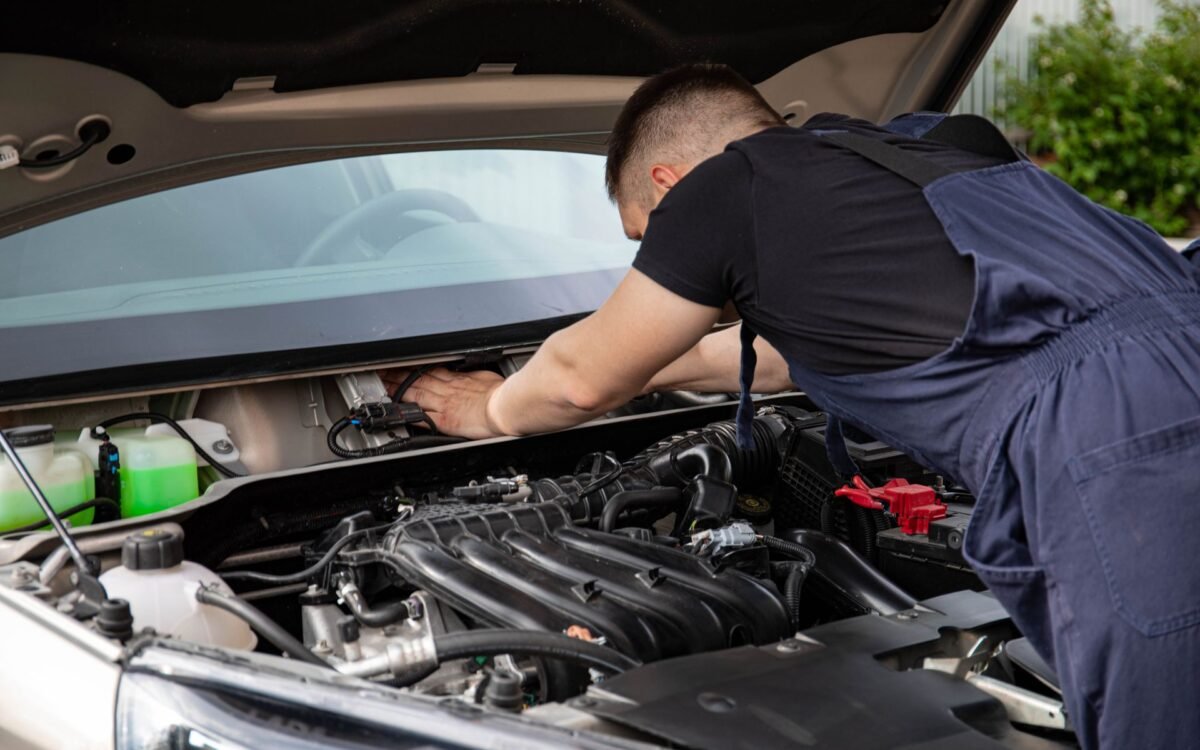
The Essential 100,000-Mile Car Maintenance Schedule to Hit 250,000 Miles
A car maintenance checklist schedule matters most at 100,000 miles. That is the point where routine upkeep turns into serious preventive care.
Most cars reach this milestone without drama. The ones that keep going to 200,000 or 250,000 miles are usually the ones whose owners acted early.
This guide covers what to replace, what to inspect and what to watch. It follows the intervals the sources below report, but your owner’s manual always wins.
Why does 100,000 miles change the maintenance plan?
Before 100,000 miles, most service is cheap and simple. Oil changes, filters and tyre rotations keep the car healthy with little fuss.
After that point, bigger parts reach the end of their designed life. Timing belts, spark plugs and fluids all age out around the same time.
The risk also changes. A worn tyre is an inconvenience, but a snapped timing belt can destroy an engine in a second. That is why the 100,000-mile service is about prevention, not repair.
High-mileage oil is worth considering too. These oils contain seal conditioners that can slow small leaks, and they suit engines that have started to use a little oil between changes.
What should you replace at 100,000 miles?
The short list is the same across most cars. Spark plugs, the timing belt if fitted, coolant, transmission fluid and brake fluid all come due.
Jalopnik’s guide to parts that need attention by 100,000 miles also names the water pump, radiator hoses and dampers as parts to inspect closely at this point.
Some items are replacements, others are inspections. The table below shows the usual split, though every car is different.
| Item | Typical action at 100,000 miles |
|---|---|
| Spark plugs | Replace (iridium or platinum) |
| Timing belt | Replace if fitted |
| Water pump | Replace with the timing belt |
| Coolant | Flush and refill |
| Transmission fluid | Change fluid and filter |
| Brake fluid | Flush and replace |
| Radiator hoses | Inspect, replace if soft or cracked |
| Suspension dampers | Inspect, replace if worn |
Timing belt or timing chain: which does your car have?
This is the first question to answer, because it changes the bill. A timing belt is rubber and has a fixed replacement interval. A timing chain is metal and usually lasts the life of the engine.
Most makers set belt intervals between 60,000 and 105,000 miles. If your car has a belt and you do not know when it was last changed, treat it as due now.
Engineer Fix explains what to service at 100,000 miles and stresses the same point: on an interference engine, a broken belt lets pistons hit valves, and the damage is often terminal.
Replace the water pump, tensioners and idler pulleys at the same time. The labour to reach the belt is the expensive part, so doing it all once saves a second bill later.
When should spark plugs be changed?
Long-life iridium or platinum plugs are standard on most modern cars. Their intervals usually run from 60,000 to 100,000 miles, so the 100,000-mile service is often their first change.
Worn plugs show clear signs. Rough idling, hesitation when you accelerate and falling fuel economy all point to plugs that are past their best.
Ignore them and the problems grow. Misfires can send unburned fuel into the exhaust, which can damage the catalytic converter — a far more expensive repair than a set of plugs.
Which fluids need changing at 100,000 miles?
Fluids are the cheapest insurance a high-mileage car can get. Each one degrades on its own schedule, and most of them come due together at this point.
Transmission fluid breaks down from heat and collects metal debris. A fluid and filter change restores its ability to protect the gearbox.
Brake fluid absorbs moisture from the air over time. That moisture lowers its boiling point and corrodes brake lines and calipers from the inside.
Coolant loses its corrosion inhibitors after about five years or 100,000 miles. A full flush and refill protects the radiator and the engine’s internal passages.
What should you check in the cooling system?
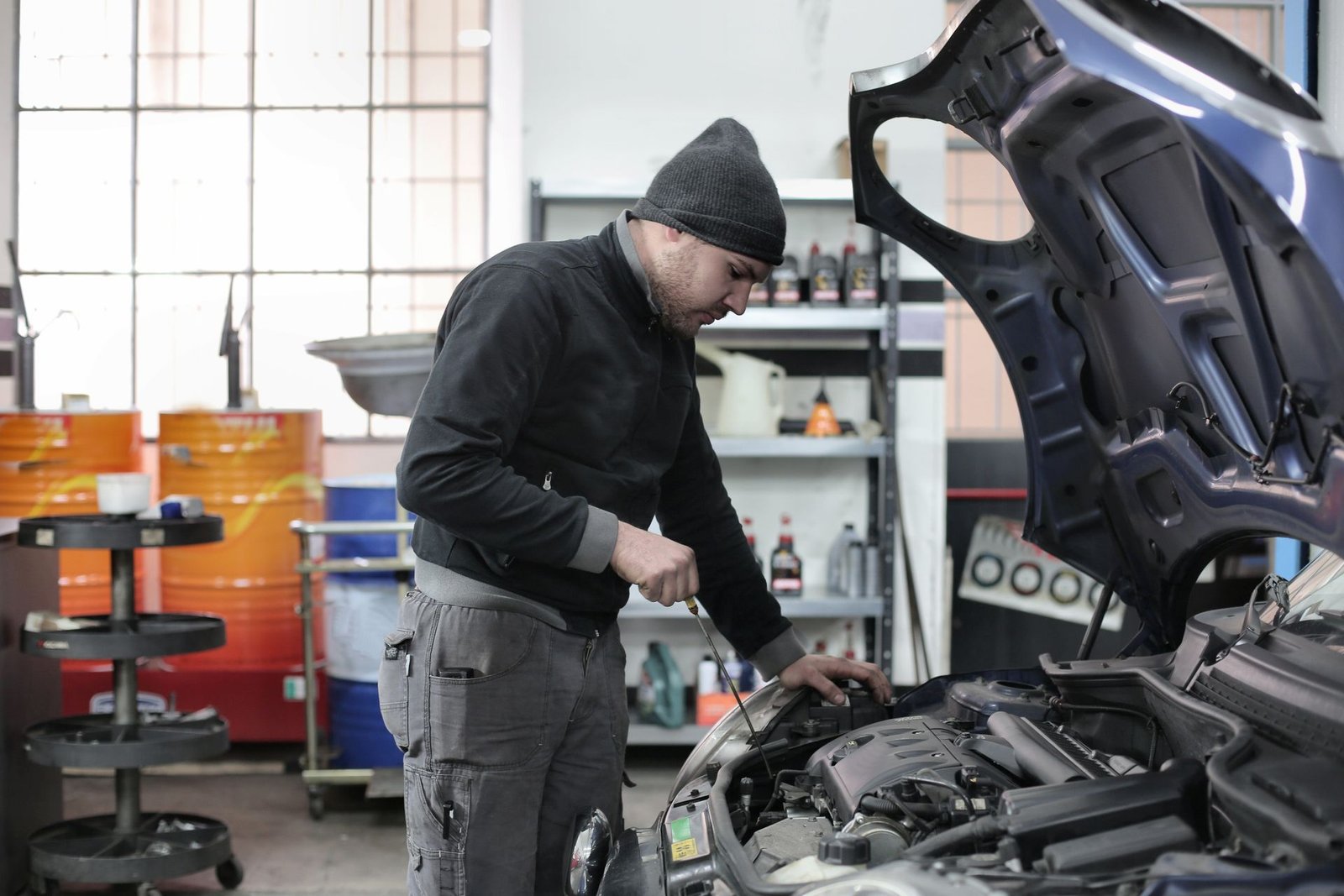
The cooling system is the most common cause of roadside breakdowns at high mileage. Overheating can warp cylinder heads, and that repair often costs more than the car is worth.
Start with the hoses. Rubber degrades from the inside, so a hose can look fine outside and be close to collapse inside. Squeeze a cold hose: it should feel firm, not soft or spongy.
Check the radiator for leaks and corrosion, and the thermostat for slow warm-up. A thermostat stuck open wastes fuel, while one stuck closed causes rapid overheating.
The water pump deserves attention too. Pumps typically last 60,000 to 100,000 miles on older cars, and longer on newer ones, but they are cheap to replace while the timing belt is already off.
How do you keep the transmission healthy past 100,000 miles?
Some makers call their transmission fluid “lifetime” fluid. Mechanics widely reject that claim, because “lifetime” usually means the length of the factory warranty, not the life of the car.
Service the fluid every 30,000 to 60,000 miles, or as your manual says. On all-wheel-drive cars, change the differential and transfer-case gear oil on the same schedule.
Watch for warning signs between services. Slipping, delayed engagement or harsh shifts all mean the gearbox needs attention now, not at the next scheduled visit.
What about suspension, steering and brakes?
Suspension parts wear gradually, so drivers often miss the decline. By 100,000 miles, dampers, bushings and ball joints are all worth a proper inspection.
Worn dampers show up as extra bounce after bumps, nose-diving under braking and uneven tyre wear. Worn bushings cause clunks over rough roads and vague steering.
Brakes need a full check too. Pads and discs are consumables, but the calipers, hoses and brake lines also age. A sticking caliper can wear a pad out in weeks.
Power steering fluid also deserves a look at this age. Low or dirty fluid makes steering heavy and noisy, and it can wear the pump out over time.
How often should you change oil after 100,000 miles?
Oil is the single most important service for engine life. Clean oil protects bearings, rings and camshafts, and it carries wear particles away from moving parts.
Many makers advertise intervals of 10,000 miles or more. Drivers chasing high mileage usually take the conservative route and change oil every 5,000 miles instead.
Most real-world driving counts as severe service. Stop-and-go traffic, short trips under ten miles, towing and cold weather all shorten oil life, so the severe schedule is the honest one.
Check the oil level between changes as well. Older engines often use some oil, and running low accelerates wear on bearings and camshafts faster than almost anything else.
What does the 150,000-mile service look like?
The 150,000-mile service is mostly a repeat of the 100,000-mile one. Fluids, filters and plugs come around again, and the inspection list gets longer.
By this point, the car’s weak spots are known. Suspension components, engine mounts and exhaust parts are the usual suspects, along with any oil leaks that have started.
Budget for it in advance. A planned service at 150,000 miles costs far less than the same parts replaced one by one after they fail.
Oil leaks are common by now, especially from valve covers and oil pans. Small leaks are cheap to fix early, but ignored leaks can starve the engine of oil.
The battery and charging system also age. A weak battery strains the starter and alternator, so test both before winter rather than waiting for a no-start morning.
Should you use a dealer or an independent shop for high-mileage service?
Both can do the job well, and the right choice depends on the car. Dealers know the model best and use factory parts, but their labour rates are usually higher.
Independent shops often charge less and can be just as skilled. The key is finding one that knows your car’s make and has good reviews from long-term customers.
Ask for an itemised quote before any big service. A clear quote shows the parts, the labour and the fluids separately, so you can compare shops fairly.
Whoever does the work, keep the receipts. A full service history raises the car’s resale value and proves the maintenance was done on time.
How do you plan maintenance to reach 250,000 miles?
Reaching 250,000 miles is not luck. It is the result of a simple habit: fix small problems before they become big ones.
Keep a log of every service, with dates and mileage. A written record makes it easy to see what is due and stops parts from being changed twice or forgotten entirely.
Drive smoothly as well. Gentle acceleration, early braking and steady speeds reduce wear on the engine, transmission, brakes, tyres and suspension all at once.
The Garage Daily’s lifespan blueprint for 200,000 miles and beyond makes the same case: proactive preservation beats reactive repair, and the financial payoff grows with every extra year the car stays on the road.
For more on keeping a car healthy, see our car maintenance coverage and our automotive coverage. Our car reviews can also help when you are choosing a car built to last.
Frequently Asked Questions
Is 100,000 miles a lot for a modern car?
No, not any more. A well-maintained modern car can reach 200,000 or even 250,000 miles, and the 100,000-mile service is what makes that possible.
What is the most important 100,000-mile service?
The timing belt, if your car has one. A broken belt can destroy the engine, while every other item on the list causes gradual wear instead.
How much does a 100,000-mile service cost?
Costs vary widely by car and workshop. One guide puts the typical range at $500 to $1,500, depending on which items are due and what your car needs.
Should I change transmission fluid at 100,000 miles?
Yes, in most cases. Even so-called lifetime fluid degrades with heat and use, and a fluid and filter change is far cheaper than a transmission rebuild.
Can a car really reach 250,000 miles?
Yes, with regular maintenance and prompt repairs. Clean oil, fresh fluids, on-time belt and plug changes, and smooth driving are the habits that get cars there.
Sources: Jalopnik, Engineer Fix, The Garage Daily, Bumper, Eagle’s Auto Repair and G&S Automotive. Figures are as reported by those publications as of 25 November 2026.
Costs vary by place, vehicle and workshop — check current prices before booking. Always follow your car’s owner’s manual for exact intervals.