

Poland Signs $300 Million Palantir Deal for Military AI Software
Poland has signed a five-year deal worth about $300 million with Palantir Technologies for AI software that will help its army commanders make faster decisions. The agreement was signed on Friday, November 27, 2026, at the Polish Army Museum in Warsaw.
Poland will buy Palantir’s Maven Smart System, which will run in the country under the codename Saturn. The software pulls together data from drones, satellites, radar and other sensors into a clear picture for commanders.
What Poland has bought
Maven Smart System is Palantir’s main military product. It takes in large amounts of data from many sources and helps people spot what matters. Poland’s Defence Ministry said the system will support the command process, which is the work of planning and directing military action.
According to the Polish military journal Polska Zbrojna, the system can analyse drone footage, satellite images and radar data. It can also spot and sort objects of military interest, and help commanders weigh how to respond to what is happening on the ground.
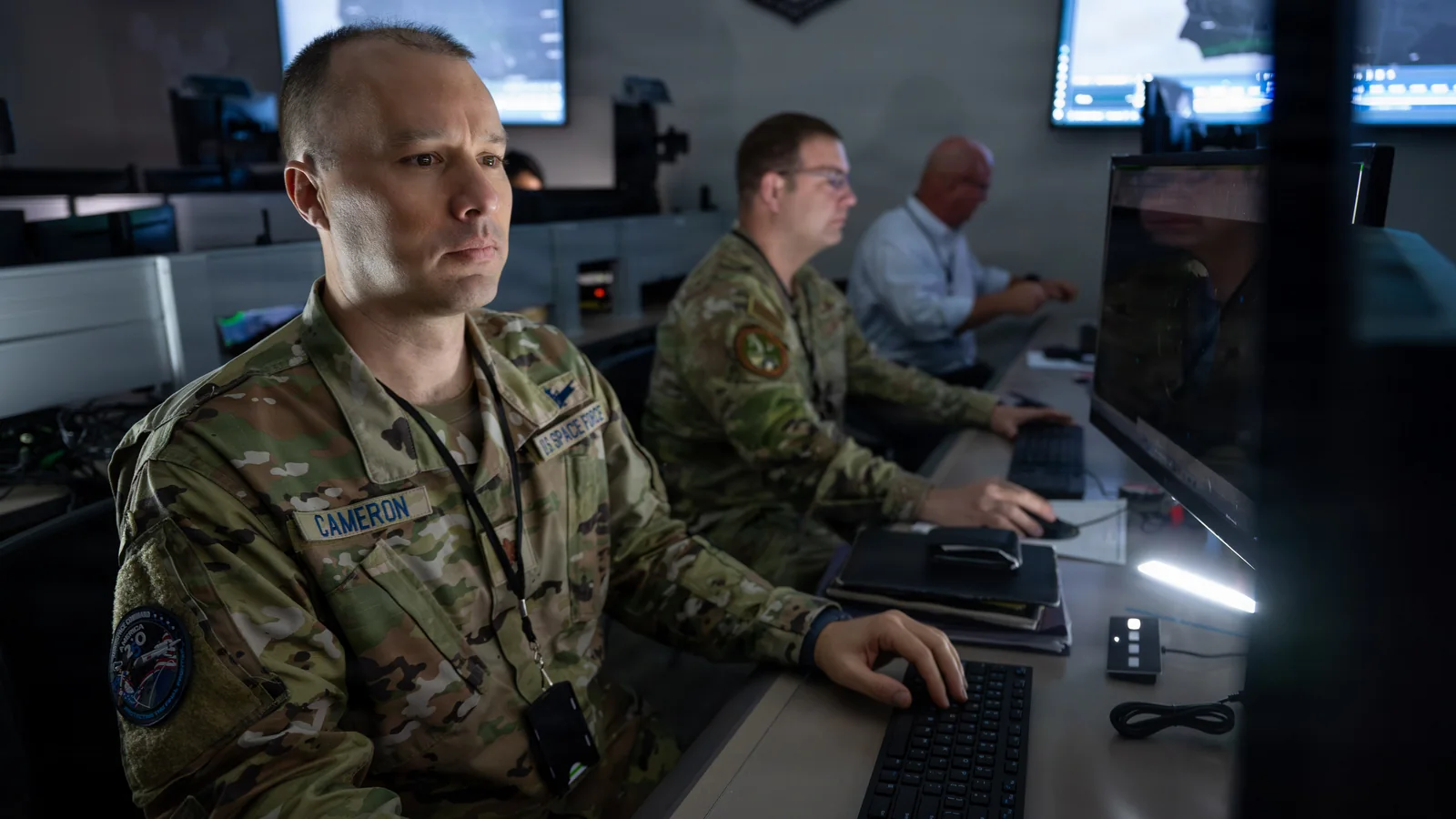
The system is built to support people, not to replace them. Commanders still make the calls. The software gives them a fuller view of the battlefield, so they can act sooner and with better facts.
Palantir already supplies the same system to the United States military and to NATO, and works with the British and Ukrainian armed forces. Ukraine has used Maven to help track the attack drones Russia sends in large numbers.
The deal keeps Polish data in Polish hands
The most talked-about part of the deal is not the price. It is the limit on what Palantir can touch. Poland’s Defence Ministry said the Polish military will keep full control of the Saturn system, including its data and who can reach it.
Palantir will not have access to confidential Polish military data. It will not hold the encryption keys that protect that data. It will also have no remote access to the system. The data will stay on Polish military systems, inside the country’s own closed network.
That point matters because the software comes from a United States company and will sit at the heart of Polish military planning. Hackers recently breached the United States Air Force’s Cloud One platform, a reminder that military computer systems are prime targets. Poland’s answer is to keep the keys, the servers and the data under its own control.
Strong limits on outside access are a core part of new ways to defend against AI-driven attacks, and Poland has written them into this deal from the start.
Why Poland chose Maven now
The deal did not come out of nowhere. Poland and Palantir have worked together for about two years. The two sides began formal work on cybersecurity in December 2024. Poland’s defence minister then signed a memorandum of intent in October 2025 covering data security, artificial intelligence and information technology.
Polish troops also tested Palantir technology during trial exercises in 2024. The ministry said it weighed how well the system would work with NATO command systems, because Poland’s forces train and plan alongside allies.
The timing also fits a wider shift in defence spending, as governments put more money into software and data tools. The United States has also approved a plan for one million orbital AI satellites, which shows how fast AI is moving into defence and space.
Poland’s defence minister, Władysław Kosiniak-Kamysz, attended the signing and called the deal a watershed moment for the armed forces, Reuters reported. A watershed moment is a turning point, and the minister’s words show how much weight Warsaw puts on the agreement.
Critics raise concerns about dependence
Not everyone in Poland welcomed the deal. Some experts said it ties the country too closely to technology from outside Europe. Piotr Mieczkowski, an industry representative, criticised the reliance on non-European technology.
Wojciech Klicki of the Panoptykon Foundation warned that the deal deepens Poland’s dependence on the United States. He said it also weakens the case for European alternatives. The signing came after protests that called for public scrutiny and an independent audit of the agreement.
Poland’s ombudsman had also asked the ministry to explain its checks on privacy and data-protection risks. The ministry said Polish intelligence services vetted the software before the deal was signed. It said the data will stay on Polish military systems, with no supplier access and no remote shutdown option.
The debate is about whether European countries should build their own military software or buy proven systems from the United States. Poland has chosen the second path, with strict rules on who holds the data.
What the deal means for Palantir
For Palantir, the contract is another step into Europe’s defence market. The company reported on November 2 that third-quarter revenue rose 96 percent to about $2.31 billion, and its United States government business brought in $953 million, also up 96 percent.
Its United States commercial business grew faster still, up 148 percent to $984 million, and earned more than its government work for the first time. Quarterly net income was about $1.13 billion, and Palantir forecast full-year revenue of $8.53 billion.
Palantir is best known for government work, but its business sales are now growing fast too. SAP is also reshaping itself around AI, and is weighing at least 10,000 job cuts as part of that shift. The whole software industry is moving the same way.
Revenue from Poland will not arrive all at once. The contract runs for five years, and the timing of payments is not yet clear. What is clear is that Palantir now has a large European army using its software at national scale. Our latest reporting on digital and internet news will track how the system is rolled out.
What happens next
The five-year term will begin when Poland’s Cyber Defense Forces Command puts the system into use. Polish staff will run Saturn on their own systems, and Palantir will not be able to reach in from outside.

The rollout will test whether the strict data rules work in practice. Poland must link the software to its sensors and command tools without giving the supplier a way in. If it works, other European allies may follow the same model.
For now, Poland has a signed deal, a fixed price and a clear rule: the software may be American, but the data stays Polish.
Frequently Asked Questions
What did Poland agree to buy from Palantir?
Poland agreed to buy Palantir’s Maven Smart System, an AI platform that pulls together data from drones, satellites, radar and other sensors to help army commanders. In Poland, it will run under the codename Saturn.
How much is the deal worth and how long does it run?
The deal is worth about $300 million over five years, according to Poland’s defence minister. It was signed on November 27, 2026, at the Polish Army Museum in Warsaw.
Will Palantir be able to see Poland’s military data?
No. Poland’s Defence Ministry said the Polish military will keep full control of the system, its data and access rights. Palantir will not have access to confidential military data, will not hold the encryption keys and will have no remote access.
Why are some experts critical of the deal?
Some experts say the deal deepens Poland’s dependence on United States technology and weakens the case for European alternatives. Protesters called for public scrutiny and an independent audit, while the ministry said Polish intelligence services vetted the software.


