Creating a Four-Season Pollinator Garden That Supports Native Bees and Butterflies
A garden that feeds pollinators in every season is one of the most useful things a home can grow. The right pollinator garden plants turn a patch of ground into food and shelter for bees and butterflies from the first thaw to the last frost.
Most gardens fail pollinators by accident. They bloom hard in summer, then go quiet for months. A four-season garden closes those gaps, so hungry insects always find something in flower.
The work is not hard, and it does not need a big plot. Choosing pollinator garden plants for every season is the whole trick. A few well-chosen native plants, grouped in drifts, can feed dozens of species. This guide shows how to plan one, season by season.
Why do pollinators need a four-season garden?
Pollinators are under real pressure, and the numbers are stark. According to a 2025 study of North American pollinators, more than one in five of the 1,591 pollinator species studied faces an elevated risk of extinction.
Bees carry the highest risk of all. The same study found that 35.2% of the 472 bee species assessed are at elevated risk, the worst figure of any insect group.
The picture in Europe is similar. A large study of wild bees and hoverflies found most bee species have declined, with their average range shrinking by about 0.4% a year.
That adds up to nearly a third over a century, as a recent review of the latest pollinator research explains.
Loss of habitat is a leading cause. Gardens cannot fix that alone, but they can fill the gaps. A 2026 study in the Chicago area found pollinator gardens attracted more bees than ornamental gardens or lawns, across the whole urban-to-rural gradient.
What makes a plant good for pollinators?
A good pollinator plant does three things. It offers nectar or pollen, it blooms when insects need food, and it suits the insects that visit it.
Native plants do this best. They have evolved alongside local bees and butterflies, so their flowers open at the right time and their nectar fits local mouthparts. Non-native flowers can help too, but natives should form the backbone of the garden.
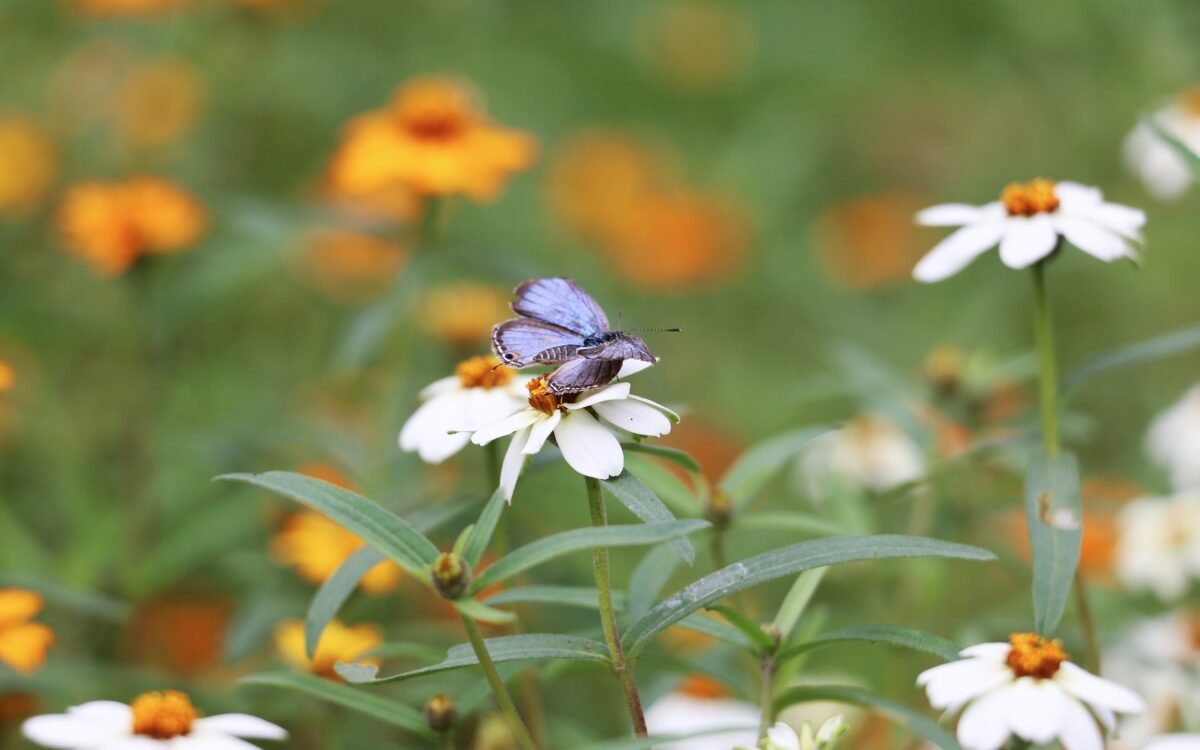
Flower shape matters as much as colour. Flat, open flowers suit short-tongued bees and butterflies, while deep tubes suit long-tongued bumblebees and hummingbirds. A mix of shapes feeds the widest range of visitors.
Single flowers beat double flowers. Doubles pack in extra petals, but they often hide or replace the nectar and pollen. When you shop, choose the simple, open form of each plant.
Which pollinator garden plants bloom in spring?
Spring is the hardest season for pollinators. Queen bumblebees wake from hibernation hungry, and early mason bees have only weeks to feed and nest.
Early bulbs are the first rescue. Crocus, snowdrops and winter aconite push through cold soil and offer nectar when little else is open. Plant them in clusters near south-facing walls, where the snow melts first.
Native spring flowers follow. Virginia bluebells, wild columbine and spring beauty feed mining bees and early butterflies. Flowering shrubs such as serviceberry and native willow are just as important, and they feed many species at once.
US Forest Service research on native bees found that bees rely heavily on flowering shrubs in early spring, even though the shrubs made up less than 7% of available blooms. A single shrub can feed more bees than a whole bed of small flowers.
What should you plant for summer?
Summer is the peak season, and this is where most gardens already shine. The job now is to keep the bloom going without gaps.
Coneflowers, bee balm and blazing star are summer workhorses. They flower for weeks, draw bees, butterflies and hummingbirds, and return reliably year after year. Plant them in groups of three to five so pollinators can spot them from the air.
Milkweed deserves a special place. It is the only plant monarch caterpillars can eat, and its flowers feed many other insects too. Choose a species native to your region, and give it a sunny spot where it can spread.
Mountain mint is another quiet star. One planting guide notes that it supports more than 50 pollinator species, making it one of the most valuable summer additions a garden can hold.
How do you keep the garden going in autumn?
Autumn feeding decides who survives the winter. Migrating monarchs need fuel for the journey south, and bumblebee queens need fat reserves before hibernation.
Goldenrod is the autumn anchor. It blooms late, produces huge amounts of nectar and pollen, and feeds monarchs on migration. New England asters do the same work in purple, and they flower until the first hard frost.
Late sunflowers add seeds as well as nectar. Maximilian sunflower and other native types keep feeding birds and insects long after their petals fade. Leave the seed heads standing rather than cutting them down.
Do not tidy too much in autumn. Hollow stems and leaf litter shelter overwintering bees and butterfly chrysalises. A messy corner is a nursery, not a failure.
What feeds pollinators in winter?
Winter looks empty, but a few plants still work. Witch hazel opens fragrant flowers in late winter, and mahonia and winter heath feed the earliest bees on mild days.
These plants matter most where winters are mild. In cold regions, the winter job is shelter rather than food. Standing stems, brush piles and undisturbed soil protect the insects sleeping through the cold.
Evergreen structure helps too. It breaks the wind, holds warmth, and gives the garden shape when flowers are gone. A winter garden does not need to bloom to be useful.
How do you design the layout for all four seasons?
Start with the sun. Most pollinator plants need at least six to eight hours of direct sun a day, and bees fly best in warm, bright spots. A south or south-east facing bed warms earliest in the morning.
Group plants in drifts of three to five of the same kind. A single plant is easy for a foraging bee to miss, but a drift reads as one big target. This also looks better to human eyes.
Layer the heights. Tall plants go at the back, medium plants in the middle, and low groundcover at the front. This gives every flower sunlight and every pollinator a clear flight path.
| Season | Key pollinators | Plants to feature |
|---|---|---|
| Spring | Mason bees, mining bees, queen bumblebees | Crocus, snowdrops, Virginia bluebells, serviceberry |
| Summer | Honeybees, bumblebees, monarchs, hummingbirds | Coneflower, bee balm, milkweed, mountain mint |
| Autumn | Migrating monarchs, late native bees | Goldenrod, New England aster, Maximilian sunflower |
| Winter | Early bees, winter moths | Witch hazel, mahonia, winter heath |
Add a simple path through the bed. You will need to reach the middle for weeding and deadheading, and a path keeps you from stepping on nests in the soil.
What about water, shelter and nesting?
Flowers are only half the habitat. Pollinators also need water, shelter and places to raise their young, and a garden can offer all three cheaply.
A shallow dish of water with pebbles to land on is enough. Bees drown in deep water, so keep it shallow and top it up in dry weather. A muddy patch helps mason bees, which use mud to seal their nests.
Most native bees nest in the ground, not in hives. Leave some bare, sunny soil undisturbed, and avoid digging the same spot every year. A few hollow stems or a simple bee hotel can house the rest.
Wind shelter matters too. A hedge, fence or shrub windbreak protects delicate wings and keeps nectar from drying out. Butterflies especially need calm air to feed.
What should you avoid in a pollinator garden?
Pesticides are the biggest threat a gardener controls. Even products labelled safe for bees can harm them, and sprays drift onto flowers you meant to protect. Avoid them entirely in a pollinator garden.
If pests appear, start with hand-picking and strong jets of water. Encourage birds and ladybirds, which eat aphids for free. A garden with more insects is a garden with more pest controllers, not fewer.
Avoid invasive plants, even pretty ones. They crowd out the natives that local pollinators depend on, and they rarely feed as many species. Check your local invasive list before planting anything new.
Skip the weed fabric and heavy mulch in planting beds. Ground-nesting bees cannot dig through them, and they block the bare soil that 70% of native bees need for their nests.
How much does a pollinator garden cost?
A pollinator garden can start very small. A single bed, a few seed packets and a water dish are enough to feed your first bees, and costs stay low if you grow from seed.
Perennials cost more up front but return for years. Shrubs cost most of all, yet one serviceberry can feed more pollinators than a whole bed of annuals. Spend the most where the return is highest.
Save money by swapping plants with neighbours and joining local native-plant groups. Many gardeners divide perennials each spring and give the extras away. Check current local prices before buying, since costs vary widely by region and season.
Start with one bed this year and add another next year. A garden that grows slowly with your knowledge will feed more pollinators than a big bed planted in a hurry.
How do you know if the garden is working?
Watch it. The first sign of success is simple: more insects on the flowers, and more kinds of them. Count the species you see in a week, then count again next year.
Look for behaviour, not just visits. Bees carrying pollen on their legs are feeding young. Butterflies laying eggs on milkweed mean the garden is now a nursery, not just a cafe.
Keep a short note of what blooms when. Gaps in the calendar show up clearly on paper, and they tell you exactly what to plant next. A garden journal is the cheapest tool a pollinator gardener owns.
Share what you learn. Our home organization guides and Home & Living ideas cover more ways to shape a home around nature, and our latest news follows the science that shapes these gardens.
Frequently Asked Questions
How big does a pollinator garden need to be?
It can be as small as a single bed or a few pots on a balcony. Even a window box with the right flowers feeds passing bees. A bigger garden feeds more species, but a small one still helps.
Do pollinator gardens attract wasps and stinging insects?
They attract some wasps, which are also pollinators and pest controllers. Most native bees are solitary and rarely sting. A garden full of flowers is far safer than a garden full of sugary drinks and fallen fruit.
Can I plant a pollinator garden in shade?
Part shade works for some plants, such as wild columbine, foamflower and native ferns with flowers. Full shade is harder, so focus on the sunniest spot you have and choose shade-tolerant natives for the rest.
How long until pollinators find my new garden?
Often within days, especially if neighbours already garden for pollinators. Annuals flower in the first season, while perennials take a year or two to reach full strength. Patience pays off as the garden matures.
Should I buy a bee hotel for my pollinator garden?
A simple bee hotel helps solitary bees, but it is optional. Bare soil, hollow stems and undisturbed corners house most native bees for free. If you buy one, clean it each year to prevent disease.
Sources: USDA ARS / PNAS, The Hawk News, USDA Forest Service, Farmstand, Illinois-Indiana Sea Grant / University of Illinois Extension.
Also: Ecological Applications, EurekAlert! / University of British Columbia. Figures are as reported by those sources as of 25 November 2026.
Plant lists are examples for temperate gardens — choose natives suited to your region, as growing results vary by climate and season.